Dive Destinations
Verified dive centers and liveaboards across the world’s best waters — pick a country and start planning.
Togo
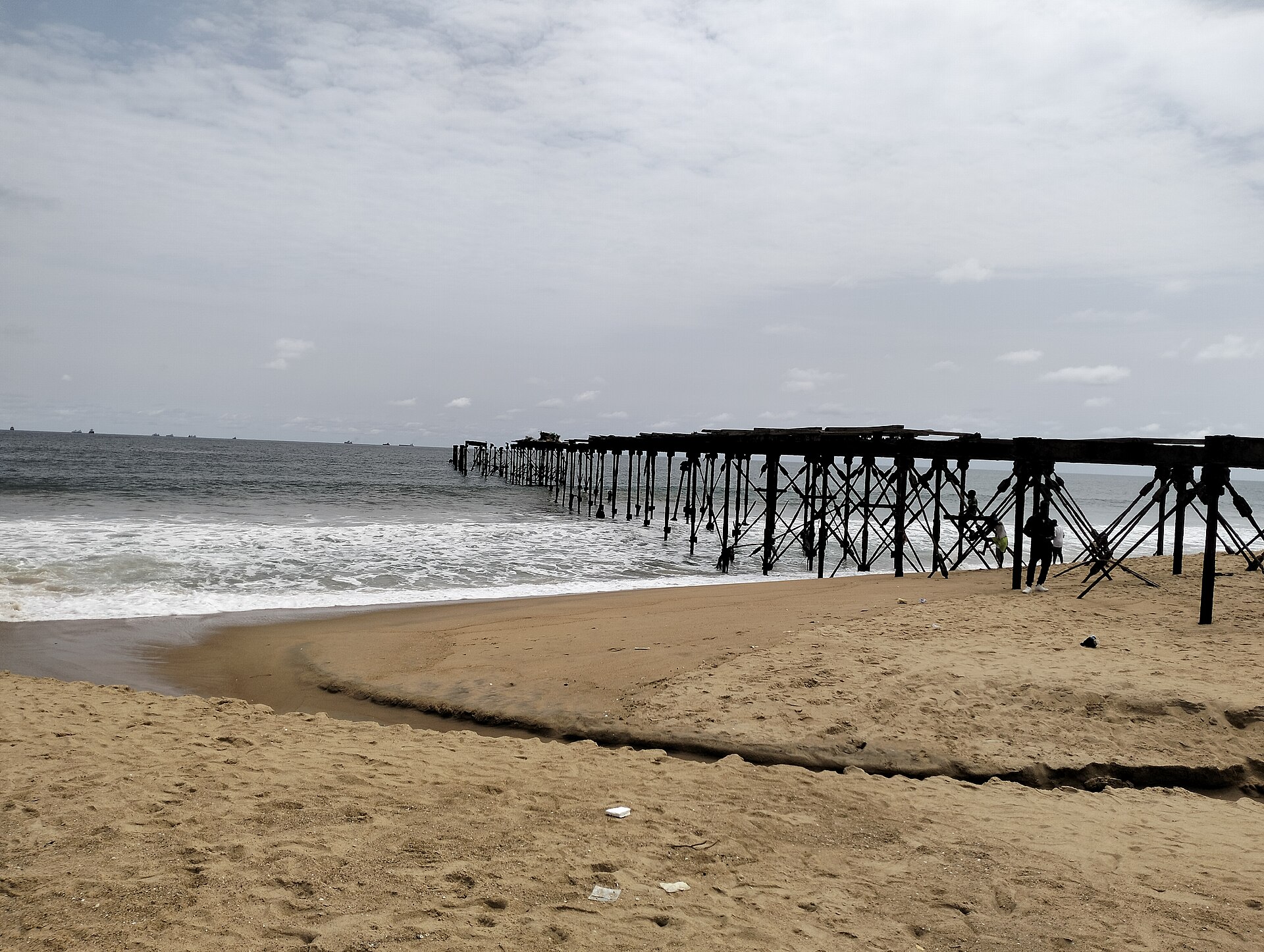
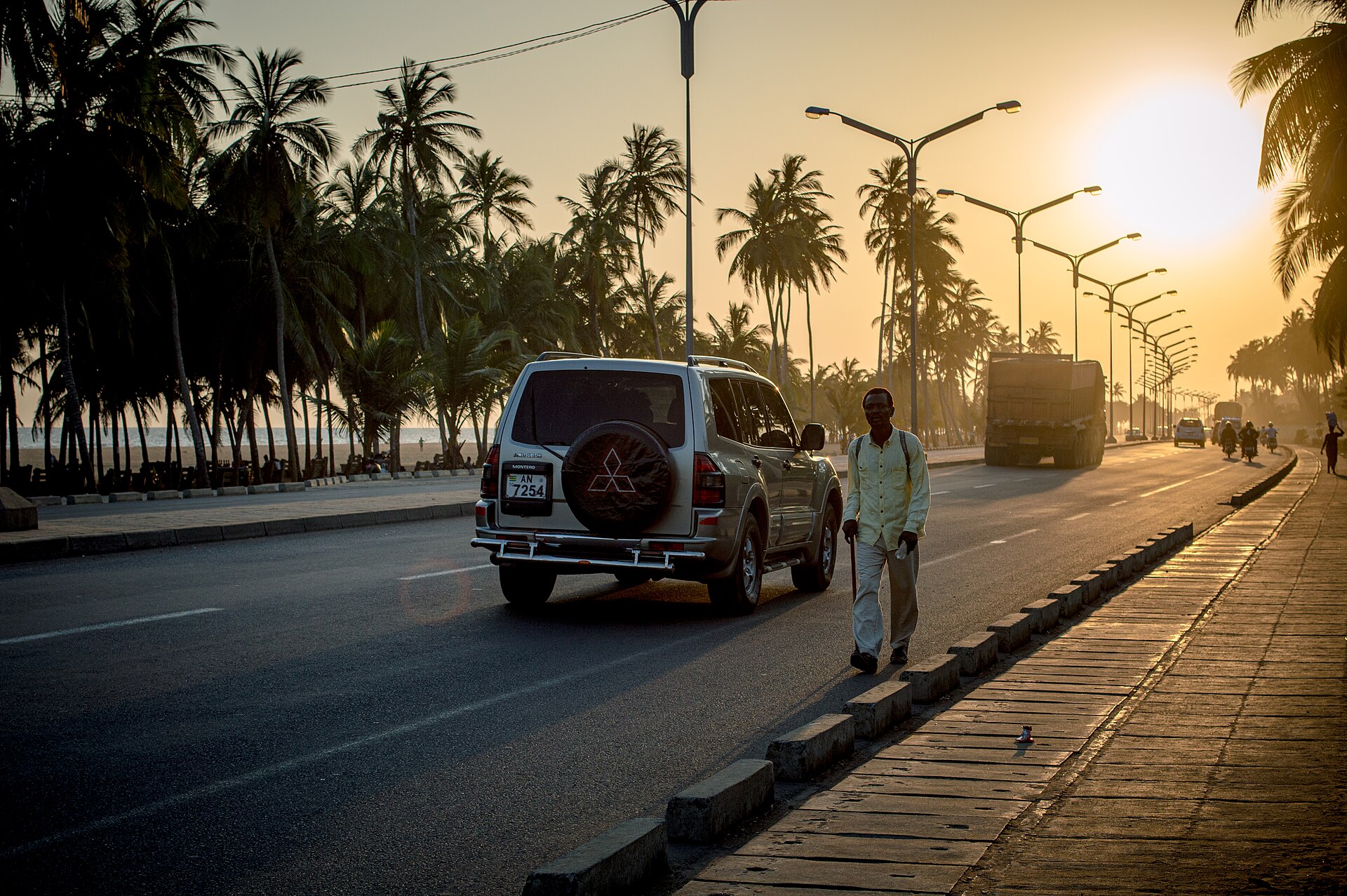
What to see in Togo? Lomé's palm-lined Atlantic beach road, the sandy shore stretching toward Ghana on one side and Benin on the other; the old wharf pier, a colonial-era landing structure that still stands in the surf; and the fishing communities working the beach at dawn, hauling in nets by hand the way they have for generations.
Diving in Togo
Togo does not have an established scuba diving industry, and it would be dishonest to describe one. The Gulf of Guinea coast here is short, low and sandy, with no coral reef system: what diving does exist is informal, tied to a handful of beach resorts around Lomé - places like Le Ramatou, Robinson Plage and Blue Turtle Bay - that rent snorkeling and diving gear alongside kayaks and beach volleyball, rather than run structured certification courses.
Underwater visibility along this stretch of Atlantic coast is generally limited by sediment carried out from the lagoons and rivers, and the surf can be rough. Anyone drawn to Togo for the water is more likely to be there for the beach itself - the palm-backed sand, the old wharf ruins standing in the waves, the fishing boats coming in - than for diving.
Country
Togo is a narrow West African country wedged between Ghana to the west and Benin to the east, with Burkina Faso on its northern border. It runs roughly 540 kilometers from north to south but only about 50-150 kilometers wide, giving it a single short coastline of around 56 kilometers on the Gulf of Guinea. The population is close to 9.6 million, and the capital, Lomé, sits right on that coast. French is the official language.
The currency is the West African CFA franc (XOF), pegged to the euro at a fixed rate. The south of the country is flat coastal plain with lagoons and marshes; the center rises into hills around Mont Agou, the country's highest point at 986 meters; the north opens into savanna. The climate is tropical, warmer and drier on the coast than in the interior.
Most biggest airports
Lomé-Tokoin International Airport (LFW), officially Gnassingbé Eyadéma International Airport - the country's only international airport, located just northeast of the capital.