Dive Destinations
Verified dive centers and liveaboards across the world’s best waters — pick a country and start planning.
Cape Verde
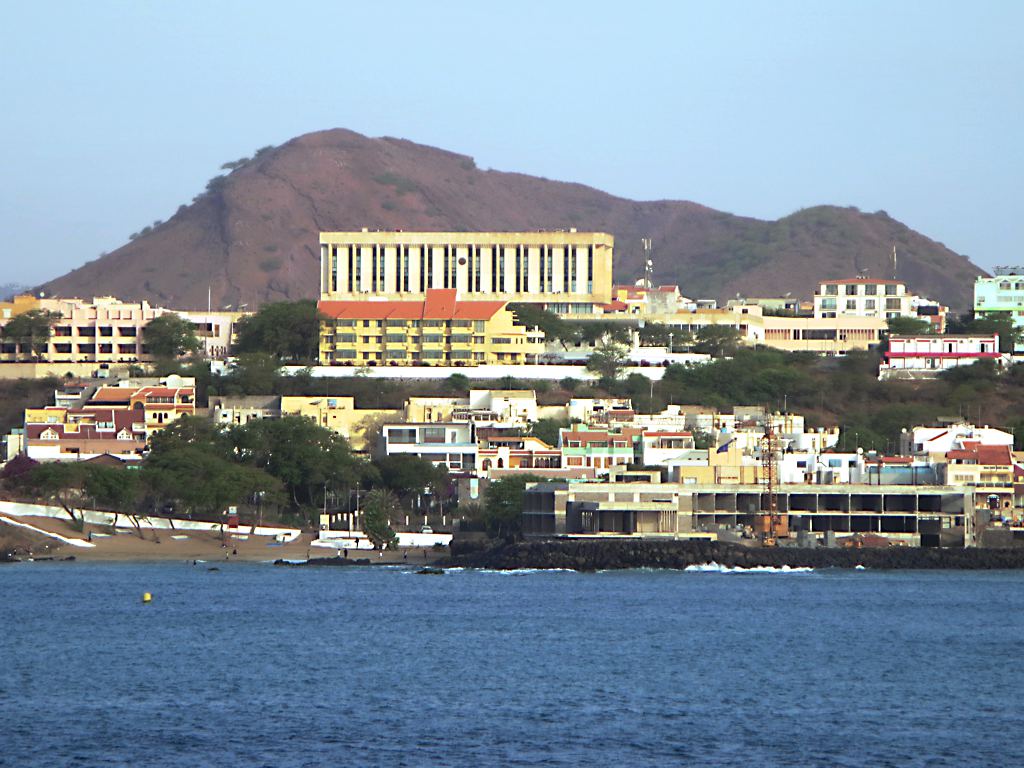
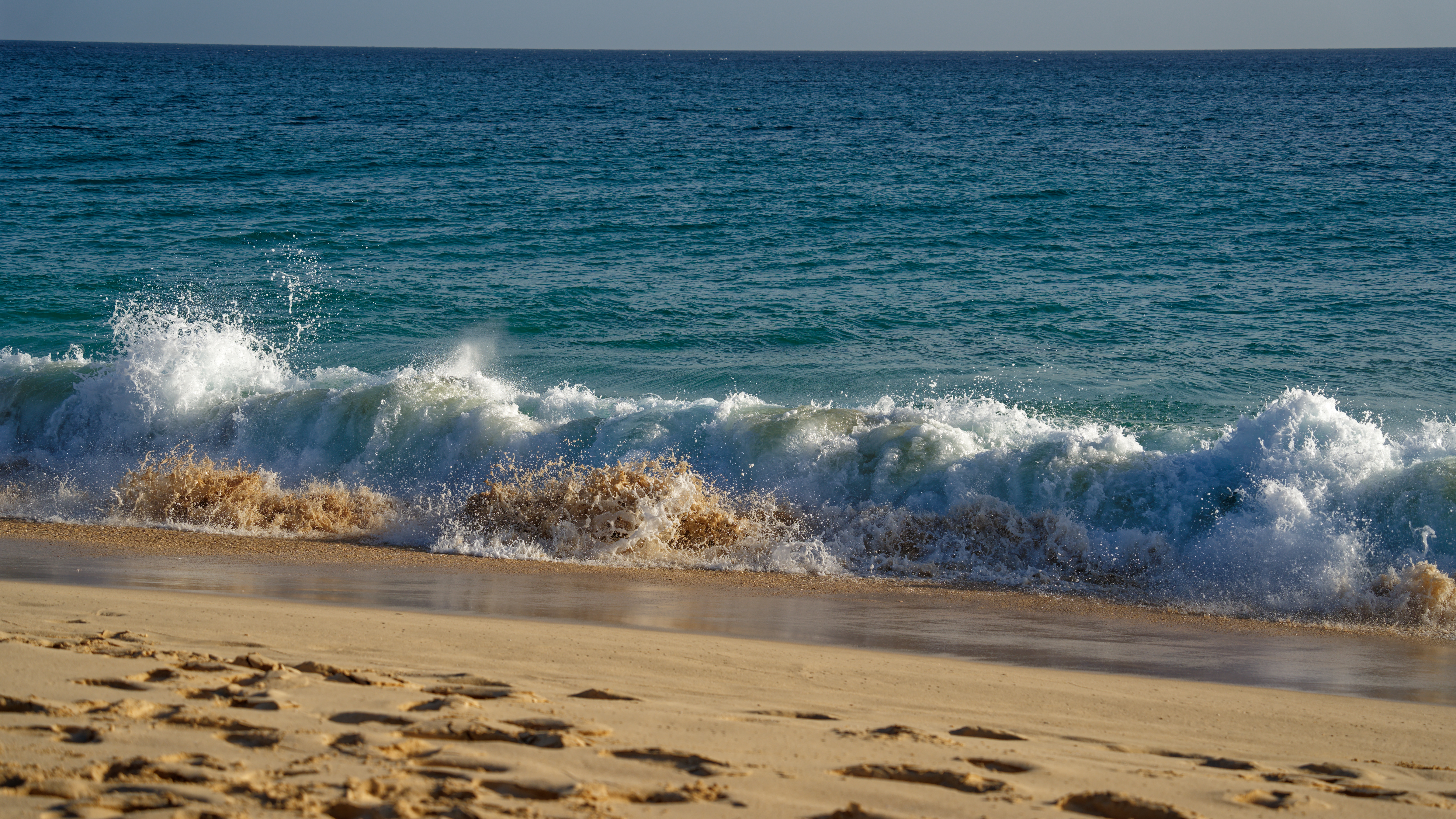
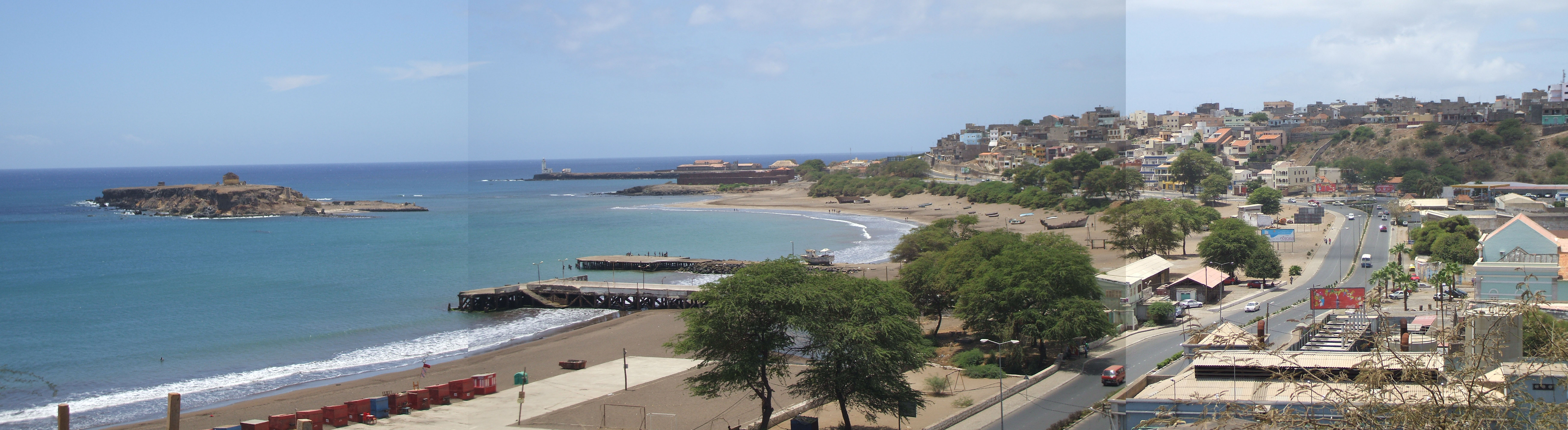
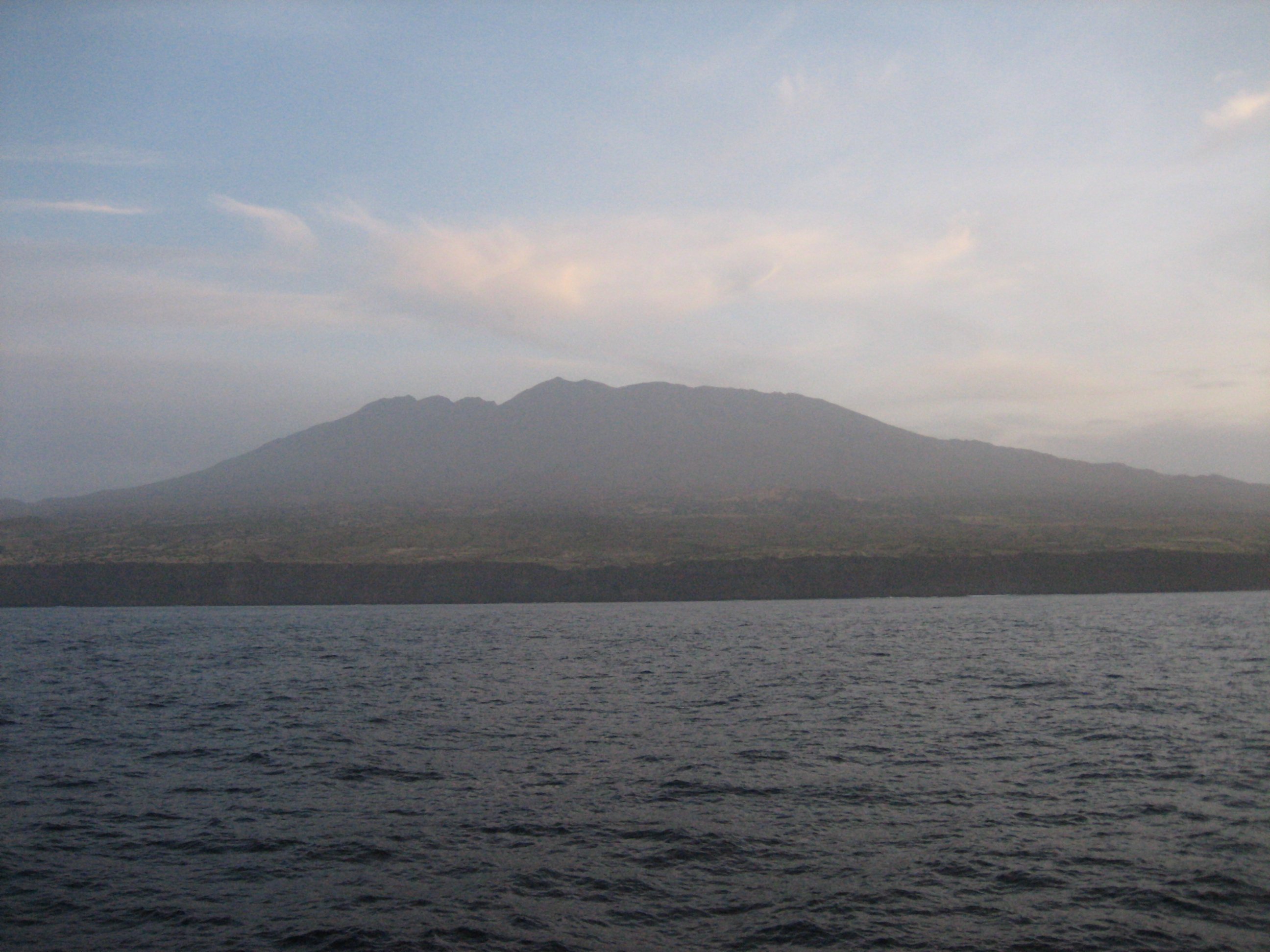
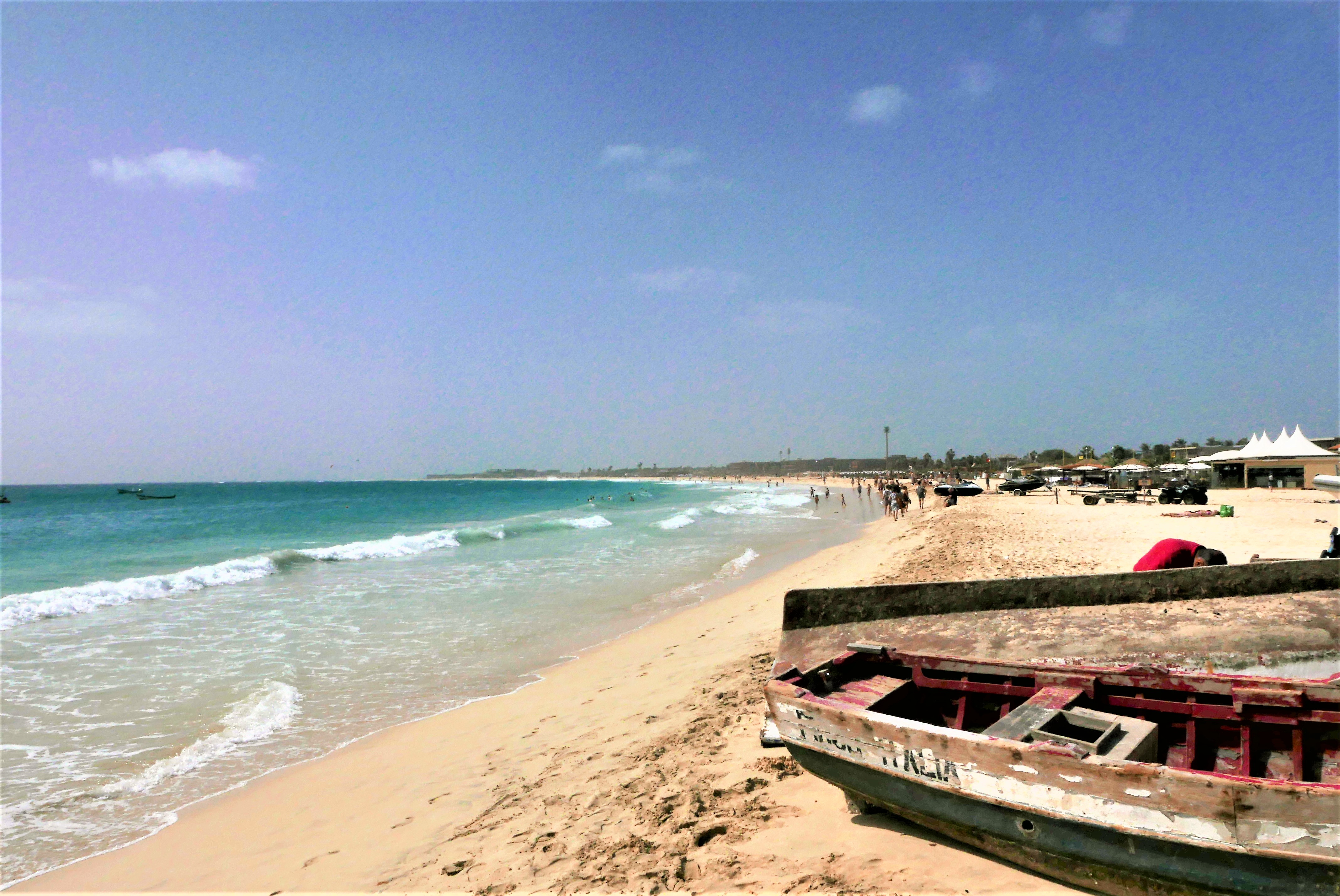
What to see in Cape Verde? Pico do Fogo, an active volcano on Fogo island; Cidade Velha on Santiago, the first European colonial settlement in the tropics and a UNESCO World Heritage Site; the beaches of Sal and Boa Vista; and loggerhead turtles nesting on the same sand where divers walk into the water.
Diving in Cape Verde
Cape Verde sits far enough into the open Atlantic that the diving feels different from the sheltered reefs of the Caribbean or the Red Sea: fewer soft corals, more volcanic rock, and a real chance of something big passing through open water.
Sal, and its main town Santa Maria, is where almost all of the dive operators are based, with boats running out to volcanic reef formations, swim-throughs and small underwater caves along the island's coast. The water stays warm year round thanks to the Canary Current, and visibility is generally good.
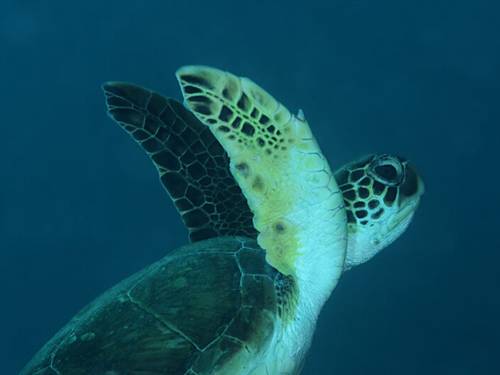
The pelagic sightings are the real draw. Hammerhead sharks and manta rays turn up on the current-swept sites around Sal and Boa Vista, and humpback whales pass through the islands on their migration, best chance from around February to May. Green and loggerhead turtles are a near-guarantee, and Boa Vista in particular is one of the most important loggerhead nesting beaches in the whole Atlantic, so snorkelers and shore divers regularly see them just offshore in season.
Most diving here is day-boat rather than liveaboard, and courses run through the usual PADI and SSI system, so it is an easy place to learn as well as to rack up open-water dives between trips to the beach.
Dive Centers in Cape Verde (1)
Country
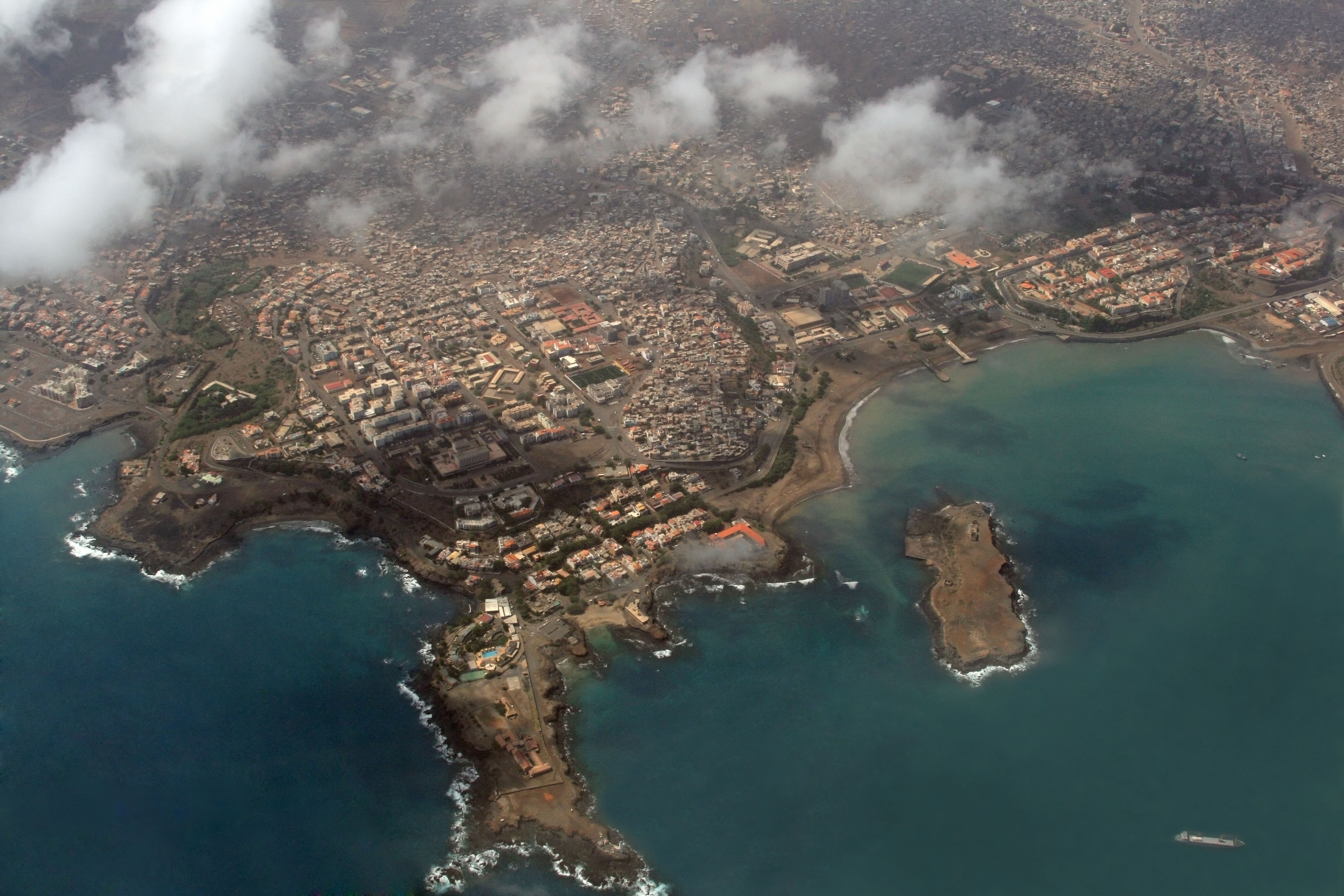
Cape Verde, officially the Republic of Cabo Verde, is an island nation off the coast of West Africa, roughly 570 kilometers from Senegal. It is made up of ten volcanic islands split into the windward Barlavento group and the leeward Sotavento group. The population is around 550,000, the capital is Praia on Santiago island, and the official language is Portuguese, alongside Cape Verdean Creole spoken day to day.
The national currency is the Cape Verdean escudo, pegged to the euro. Euros are widely accepted on the tourist islands of Sal and Boa Vista, and ATMs are common in the main towns.
The islands are dry and volcanic rather than lush, with Pico do Fogo, an active volcano rising to nearly 2,830 meters, as the highest point in the country. The climate is warm year round, with a short rainy season from August to October and steady trade winds the rest of the year, which is exactly why Sal and Boa Vista became a windsurfing and kitesurfing destination long before divers started paying attention.
Cape Verde was uninhabited until Portuguese sailors settled it in the 15th century, and Cidade Velha, on Santiago, was the first European colonial town built in the tropics. Its fort and ruined cathedral are now a UNESCO World Heritage Site, and the town is still standing where it started.
Underwater, the islands sit far enough into the open Atlantic to draw genuinely pelagic traffic: humpback whales pass through in season, hammerhead sharks and manta rays turn up on the current-swept sites, and loggerhead turtles nest on Boa Vista and Sal in numbers rare anywhere else in the Atlantic. Sal, with its year-round dive operators out of Santa Maria, is the easiest island to base a diving trip from.
Most biggest airports
Amílcar Cabral International Airport (SID), Sal - the main gateway for international tourist flights.
Nelson Mandela International Airport (RAI), Praia, Santiago - the capital's airport.
Cesária Évora Airport (VXE), São Vicente.
Aristides Pereira International Airport (BVC), Boa Vista.