Dive Destinations
Verified dive centers and liveaboards across the world’s best waters — pick a country and start planning.
Réunion
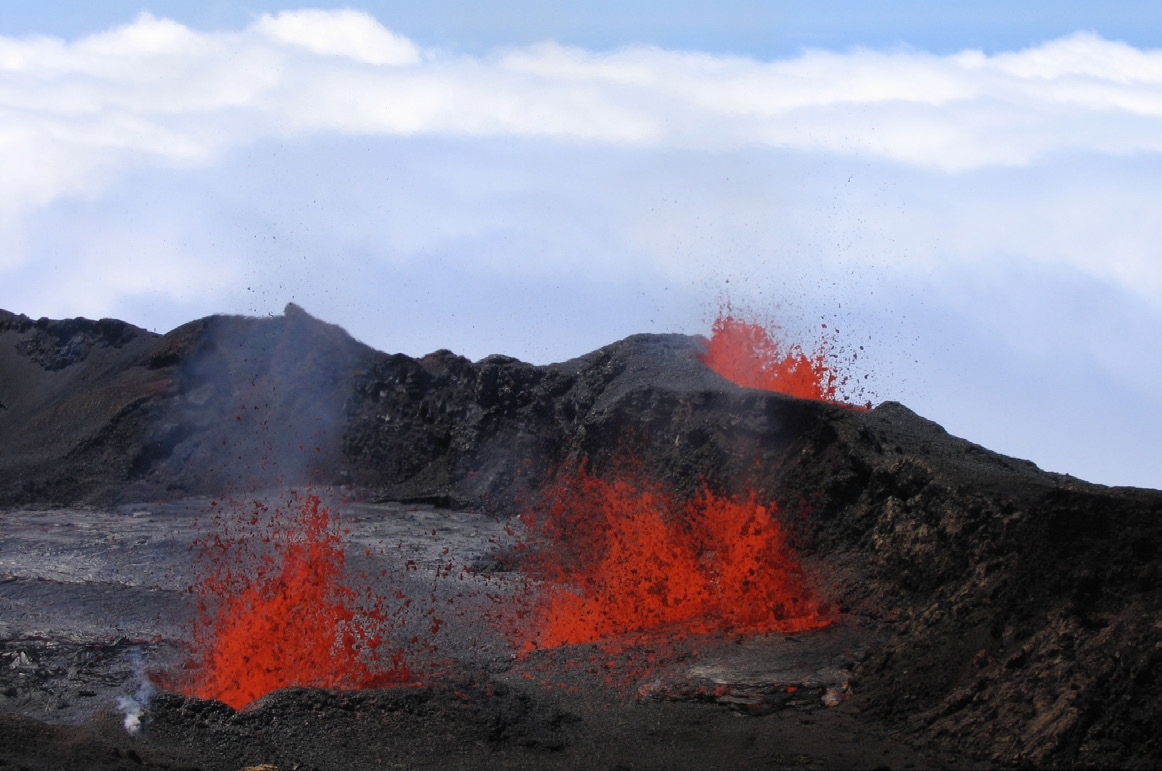
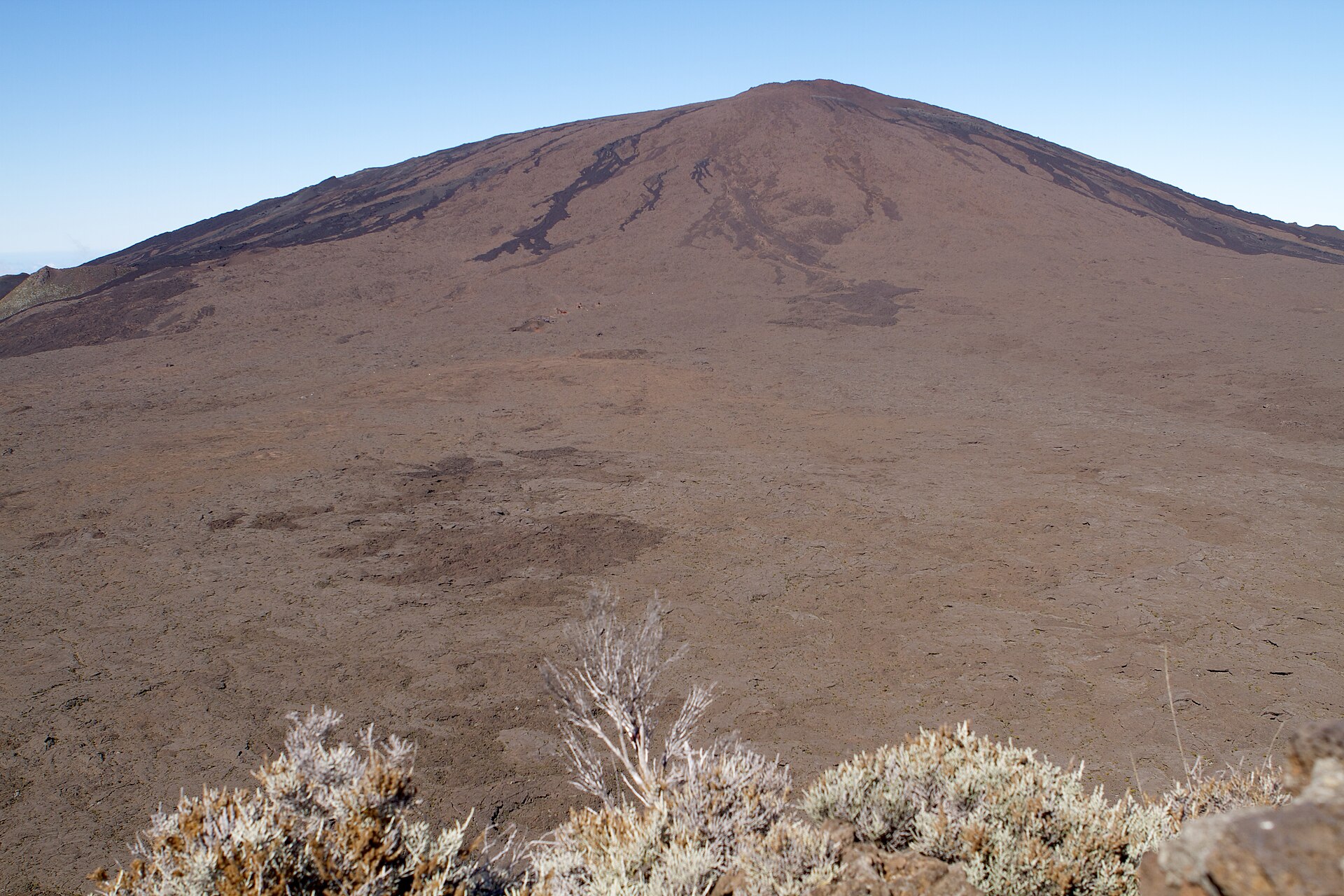
What to see in Réunion? Piton de la Fournaise, one of the world's most active volcanoes, with lava fields you can walk across and, in season, flows reaching the ocean; Piton des Neiges, the island's dormant, higher summit; the fringing coral lagoon and calm turquoise water at L'Ermitage-les-Bains on the west coast; and Saint-Denis, the creole capital with its French-colonial streets.
Diving in Réunion
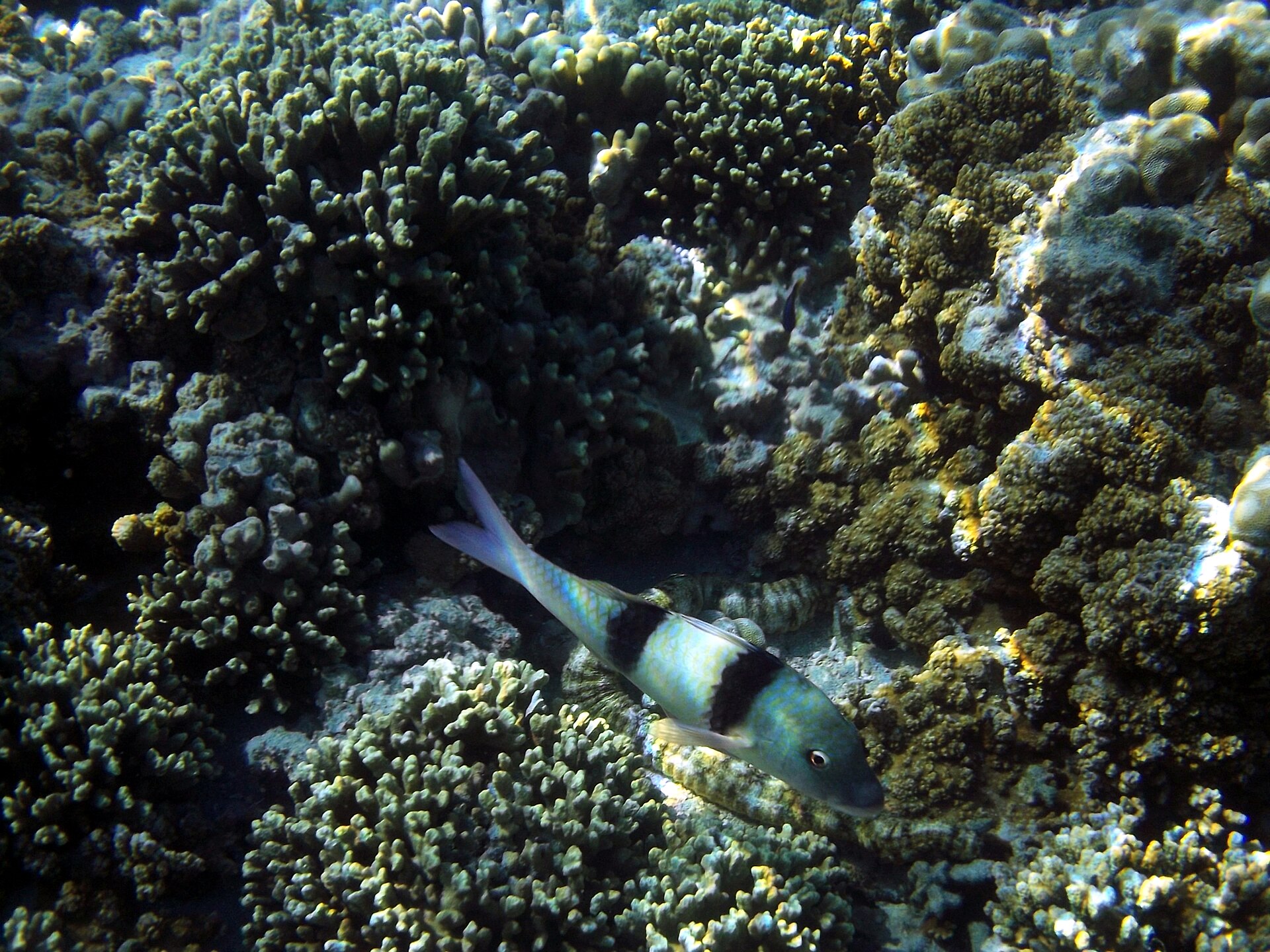
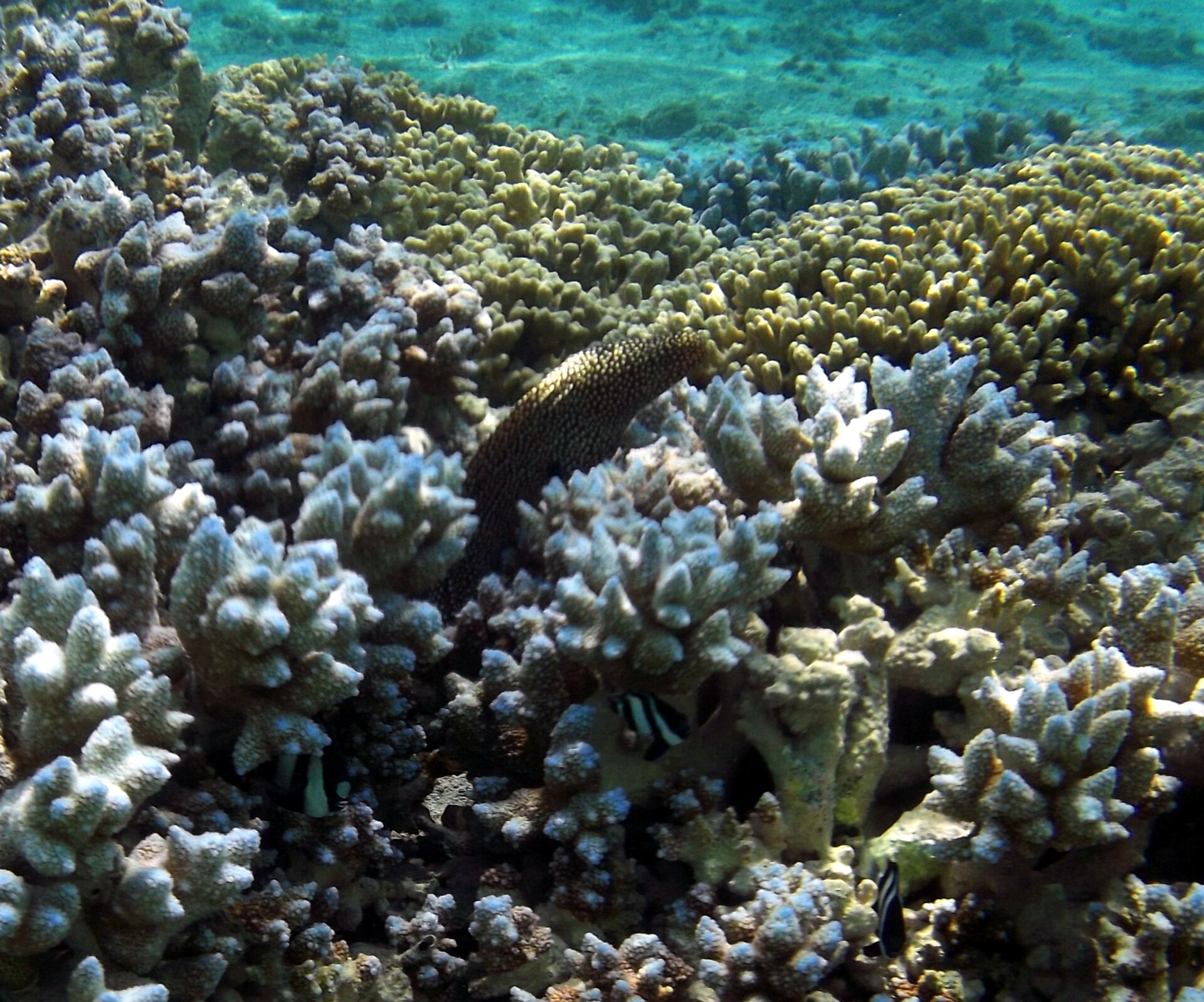
Diving in Réunion is shaped by the island's volcanic origin: sites are built from lava rather than accumulated reef, with swim-through tunnels, arches, caves and drop-offs replacing the flatter coral gardens found elsewhere in the Indian Ocean. The narrow fringing reef along the west coast, from Saint-Gilles to L'Ermitage-les-Bains, still carries genuine coral cover and reef fish, and is the easiest place to base a first dive trip from.
Because the island sits in open, deep water, it also draws real pelagic traffic: humpback whales pass through from roughly July to October, and divers occasionally encounter reef sharks, turtles and rays on the drop-offs beyond the lagoon. Réunion is also known for shark risk outside protected lagoon areas, so recreational swimming and snorkeling are concentrated inside netted or reef-sheltered zones, and diving is run through local operators who know which sites are open on a given day.
Country
Réunion is a volcanic island in the Indian Ocean, part of the Mascarene archipelago, about 680 kilometers east of Madagascar and 175 kilometers southwest of Mauritius. It is an overseas department and region of France and, as such, part of the European Union and the eurozone: the currency is the euro, and the official language is French, alongside Réunion Creole spoken everyday. The population is around 910,000, and the capital is Saint-Denis on the north coast.
The island is young and entirely volcanic, dominated by two massifs: the dormant Piton des Neiges, at 3,070 meters the highest point, and the Piton de la Fournaise, one of the most active volcanoes on Earth, with over 100 eruptions recorded since the 17th century. Because the island rises steeply out of deep ocean water, its lagoons are narrow and shallow rather than the broad reef flats of Polynesia, concentrated mainly along the sheltered west coast around Saint-Gilles and L'Ermitage.
The climate is tropical, tempered by southeast trade winds, with a hot, wet season from December to March and a cooler, drier season from May to November. That trade-wind pattern, combined with the island's volcanic relief, also makes Réunion one of the wettest places on the planet in its interior, even as the coast stays sunny.
Most biggest airports
Roland Garros Airport (RUN), near Saint-Denis - the island's main international gateway, with connections to mainland France, Mauritius and Madagascar.
Pierrefonds Airport (ZSE), near Saint-Pierre on the south coast - a smaller regional airport serving the south of the island.