Dive Destinations
Verified dive centers and liveaboards across the world’s best waters — pick a country and start planning.
Morocco
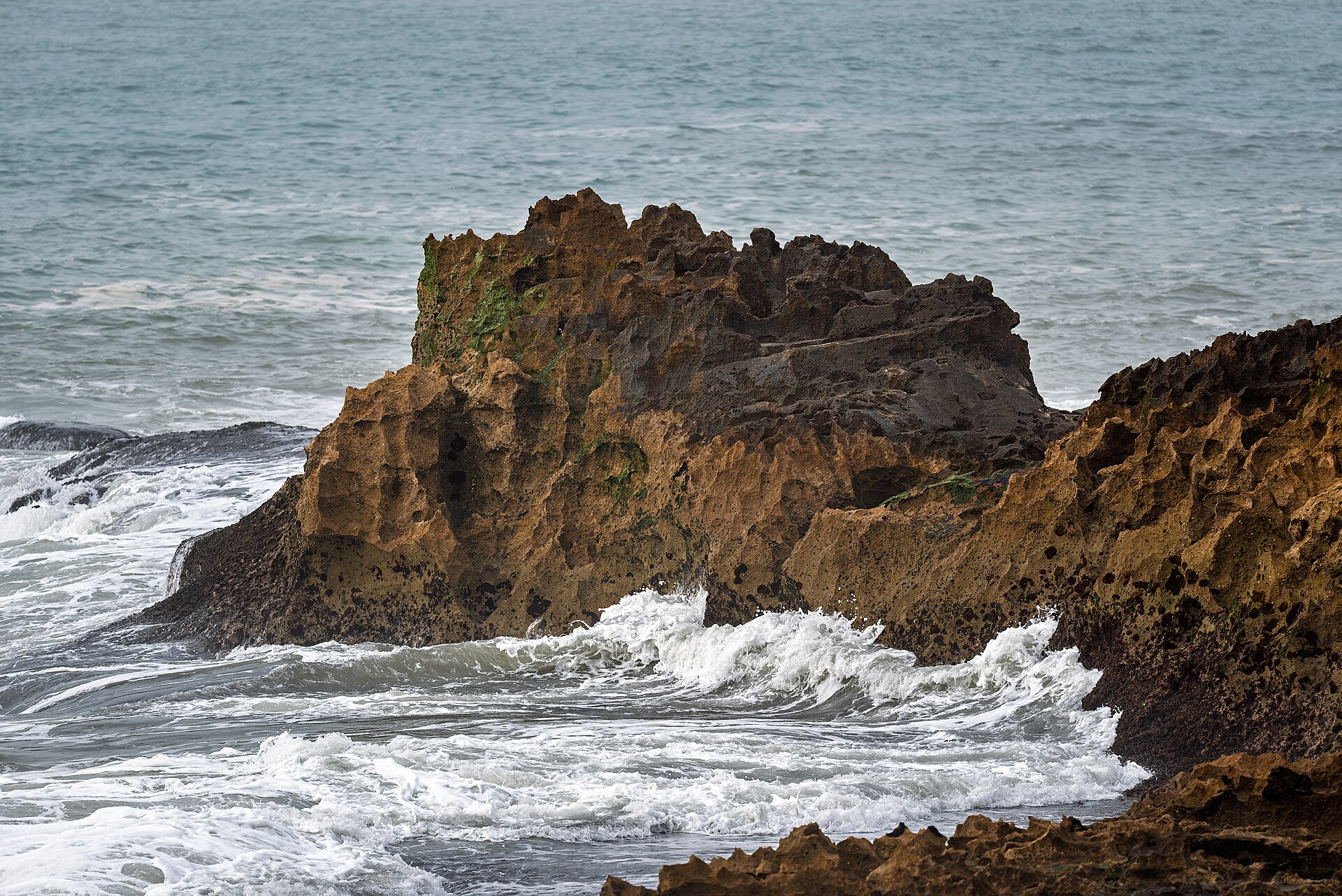
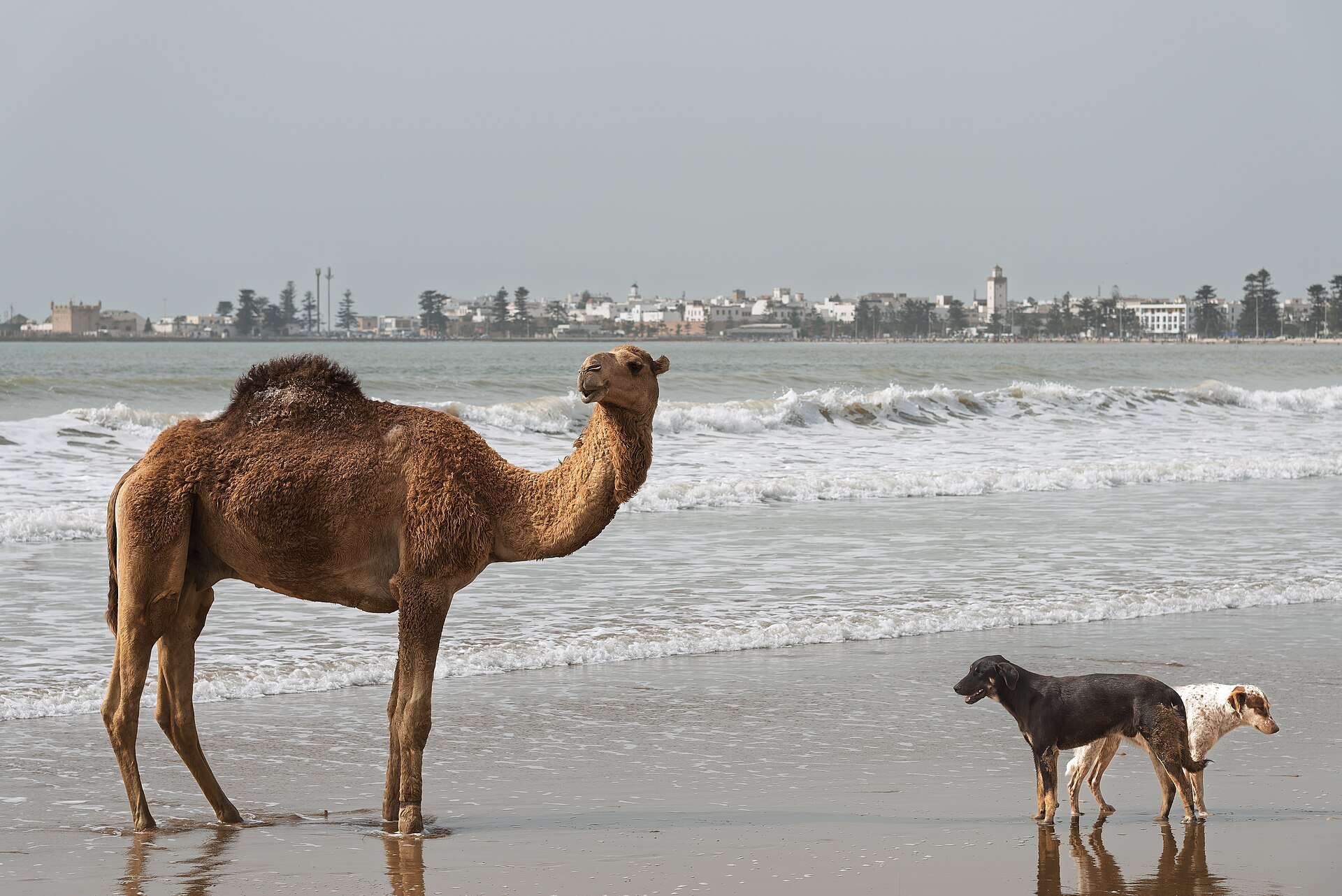
What to see in Morocco? Agadir and the surf town of Taghazout on the Atlantic coast, the country's main diving base; the vast lagoon of Dakhla further south, where flat water gives way to open Atlantic swell; the walled port town of Essaouira, its ramparts facing straight into the wind and waves; and the country's rare position bridging two seas, the Mediterranean in the north and the Atlantic along its full western length.
Diving in Morocco
Morocco's diving is genuinely underrated: rocky reefs, underwater caves and shipwrecks are scattered along both coasts, with a noticeably different character between them. Agadir, and the surf-and-dive town of Taghazout just north of it, is the country's main hub, with sites offering moray eels, stingrays, octopus, cuttlefish and large schools of fish over rocky and sandy bottoms.
Further south, the enormous lagoon at Dakhla is Morocco's most unexpected dive destination: shallow, warm lagoon water holds green sea turtles, guitar sharks and eagle rays, while the open Atlantic just outside the lagoon brings seasonal whale shark sightings from roughly November to February and humpback whale migrations. On the Mediterranean side, spots near Tangier and Al Hoceima add caves and warmer, calmer water, best from June to September. The Atlantic coast (Agadir, Essaouira, Dakhla) is best from May to October, when the water is warmer and visibility improves. Courses run through the usual PADI and SSI system.
Country
Morocco sits in the Maghreb region of North Africa, with coastline on both the Mediterranean Sea to the north and the Atlantic Ocean to the west - a combination few countries can offer. The population is around 37 million; Rabat is the capital, while Casablanca is the largest city and main economic hub. Arabic and Tamazight (Berber) are the official languages, with Moroccan Arabic (Darija) the everyday spoken language. The currency is the Moroccan dirham.
The terrain ranges from the Atlas Mountains in the interior to desert in the south near Dakhla and the Western Sahara border, with a temperate, Mediterranean-influenced climate on the north coast and a drier, more arid climate further south along the Atlantic. The Atlantic side runs cooler, current-fed water; the Mediterranean side is warmer and calmer, particularly in summer.
Most biggest airports
Mohammed V International Airport (CMN), Casablanca - the country's busiest airport and main international gateway.
Marrakesh Menara Airport (RAK), Marrakesh.
Agadir-Al Massira Airport (AGA), Agadir - the arrival point for the country's main dive hub.