Dive Destinations
Verified dive centers and liveaboards across the world’s best waters — pick a country and start planning.
Uruguay
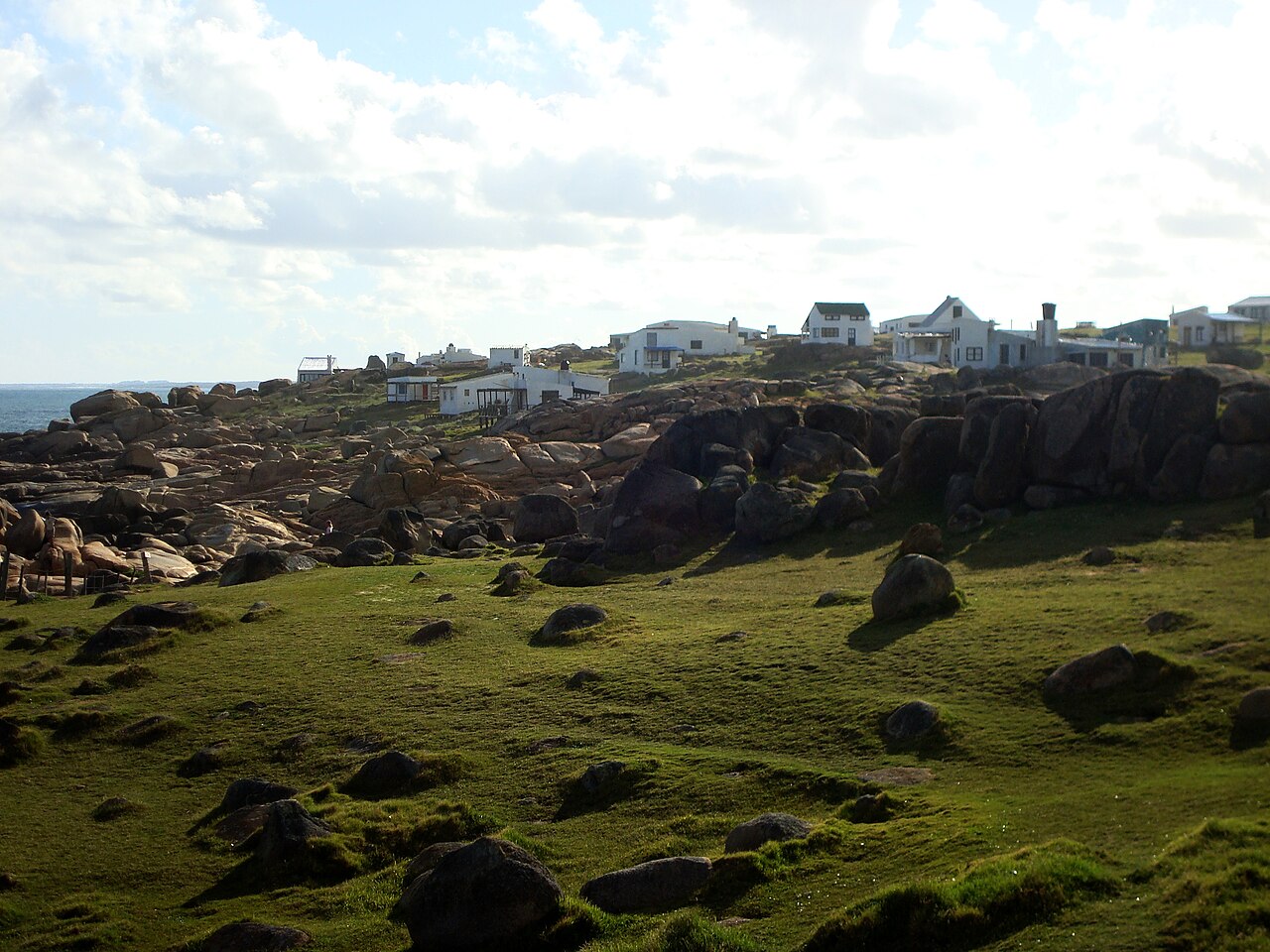
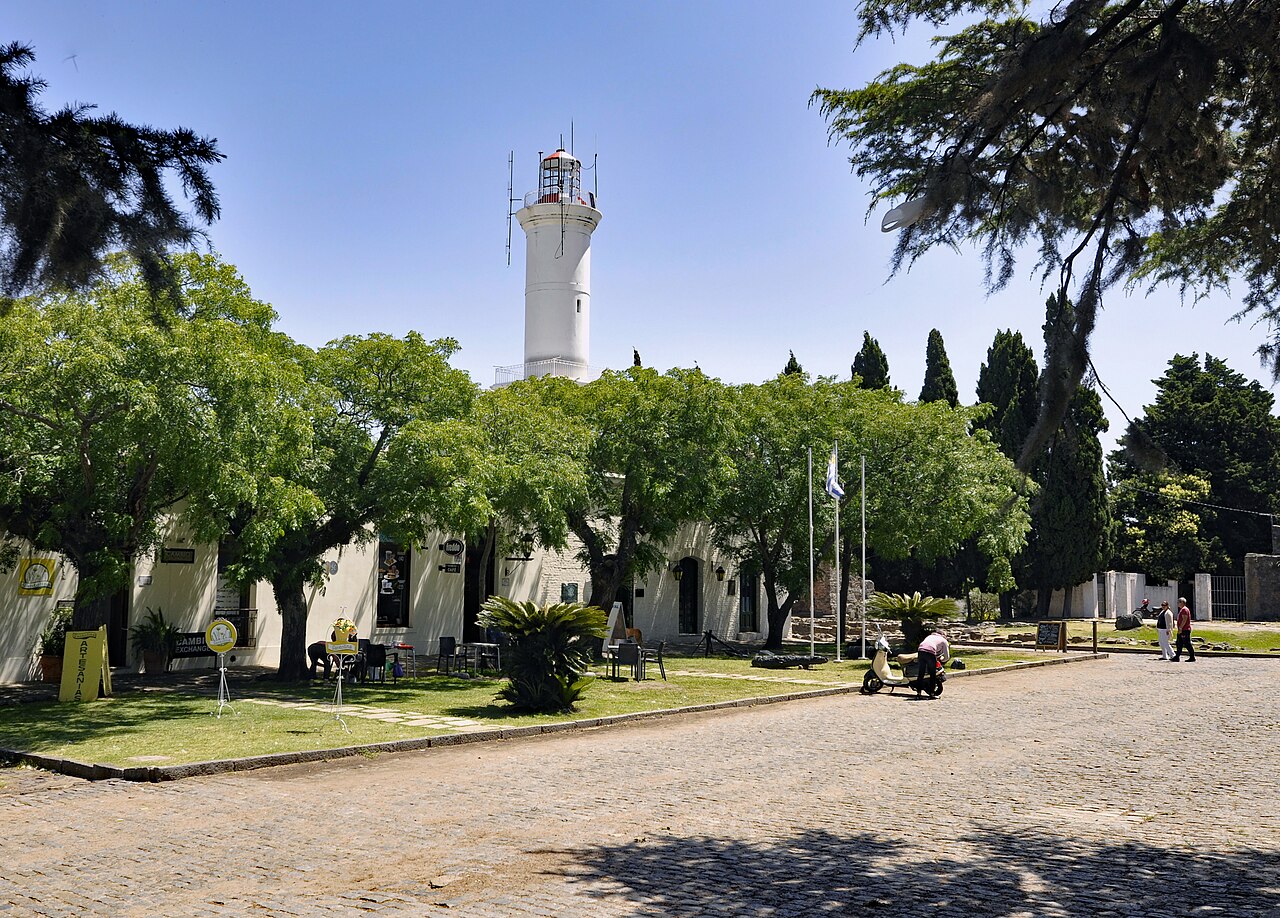
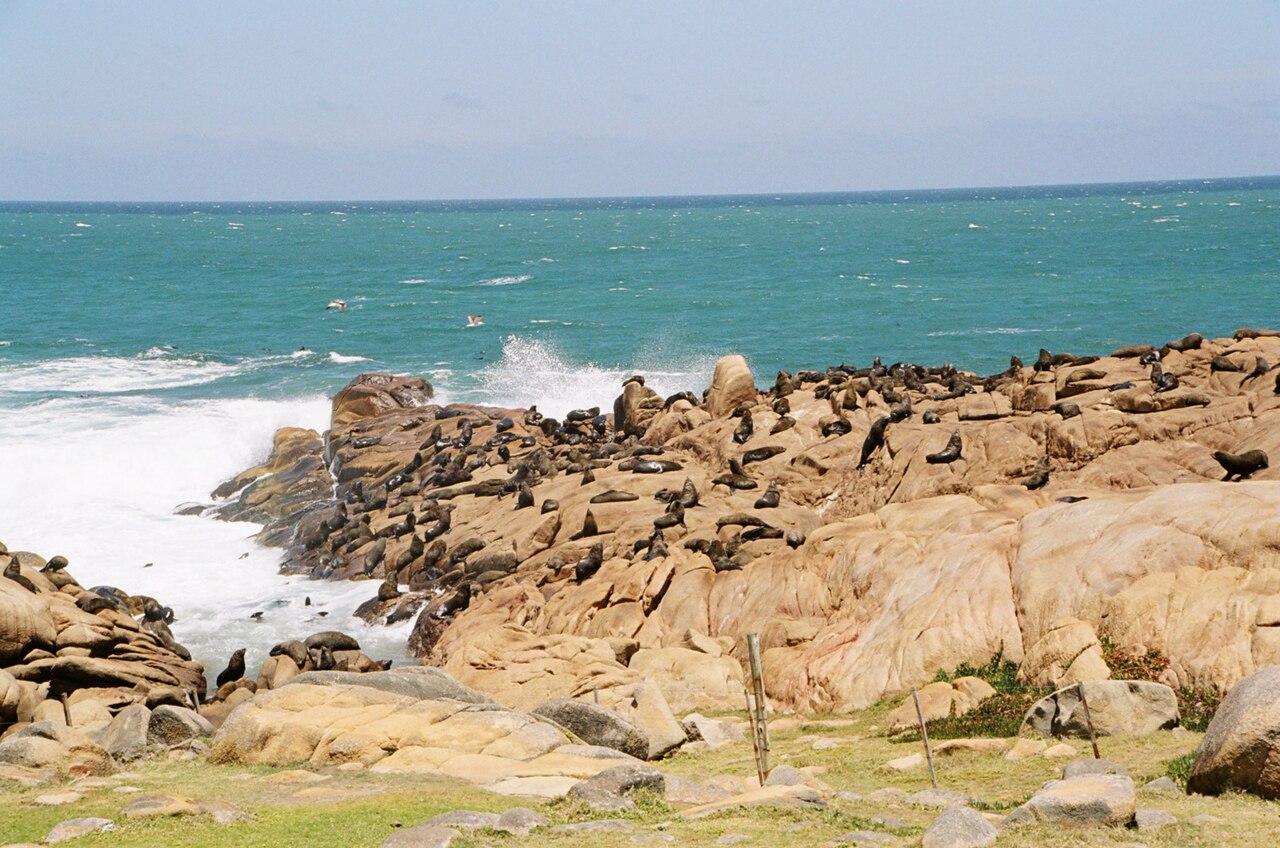
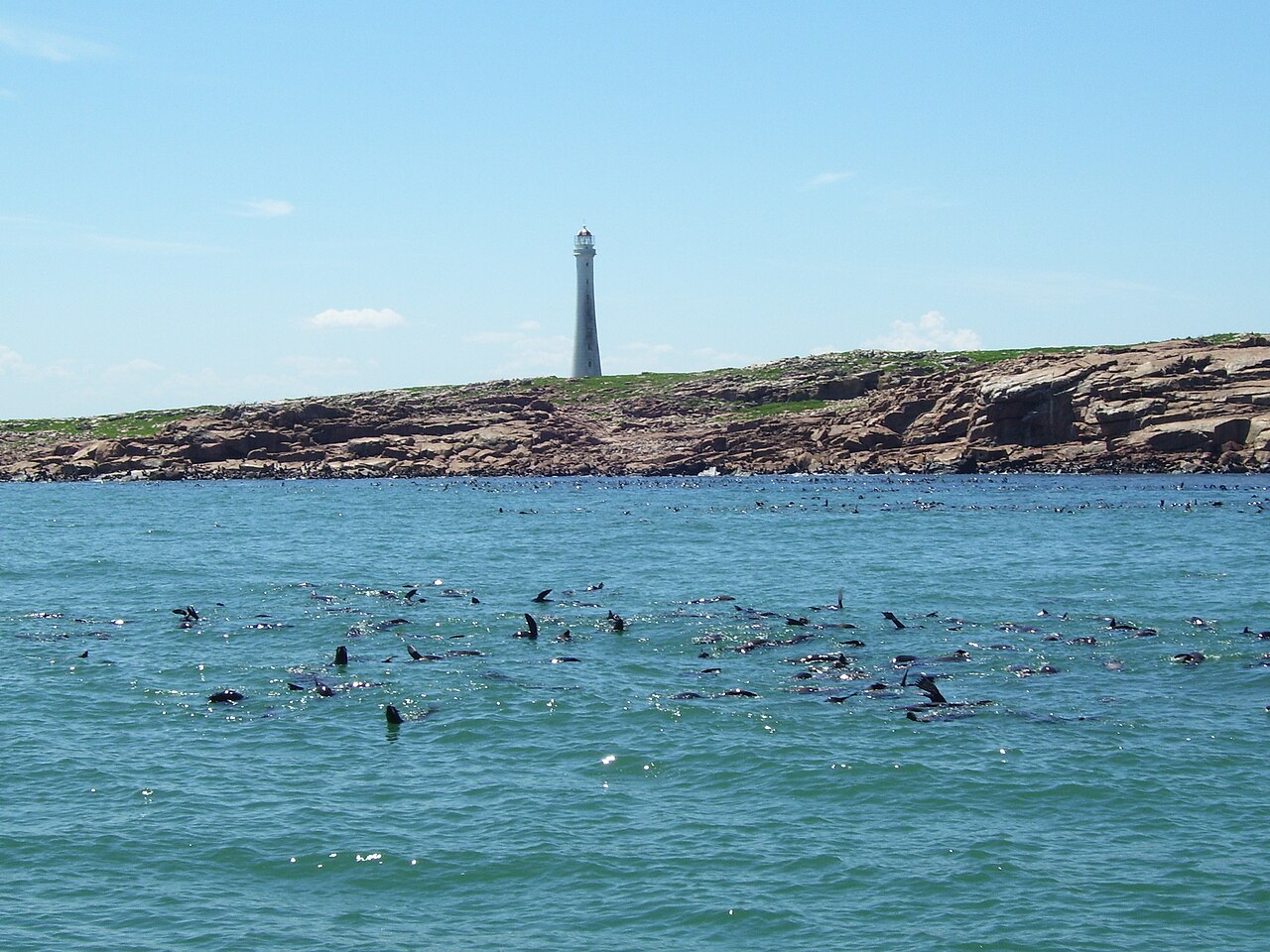
What to see in Uruguay? Isla de Lobos, home to one of the largest South American sea lion colonies in the world; the historic shipwrecks and dunes of Cabo Polonio; the Portuguese-Spanish colonial old town of Colonia del Sacramento, a UNESCO World Heritage Site; Montevideo’s long riverside Rambla.
Diving in Uruguay
Uruguay is a cold-temperate Atlantic destination, not a tropical one - there are no coral reefs here, and the appeal for divers is wildlife and history rather than reef colour.
The signature site is the Isla de Lobos marine reserve off Punta del Este, home to one of the largest South American sea lion colonies in the world; diving is shallow, generally to around 10 meters, in calm conditions, and the sea lions are famously unbothered by divers and will often approach.
Further up the coast, the waters around Cabo Polonio hold the wrecks of at least eighteen ships lost since the 1500s, and the area’s exposed, rocky coastline and strong currents mean most wreck diving here is done by experienced local operators rather than as a casual add-on. Water temperatures are seasonal and can be cool even in summer, so a proper wetsuit is standard kit.
Country
Uruguay is the second-smallest sovereign country in South America, wedged between Argentina and Brazil on the Atlantic coast and the wide estuary of the Río de la Plata. The capital and by far the largest city is Montevideo, home to roughly half the country’s 3.5 million people. The official language is Spanish, and the currency is the Uruguayan peso.
The landscape is mostly rolling grassland and low hill ranges - classic gaucho cattle country - with a 660-kilometer coastline running along the Atlantic and the Río de la Plata. The climate is mild and fairly uniform nationwide, humid subtropical, with four real seasons rather than the sharp wet/dry split typical further north on the continent.
Uruguay’s coast has a long maritime history: the waters off Cabo Polonio and the Isla de Lobos - Wolf Island - archipelago have wrecked at least eighteen recorded ships since the 1500s, Spanish, Portuguese, German and English among them, and the sea lion colonies that gave the islands their name are still there today, protected as a national nature reserve.
Most biggest airports
Carrasco International Airport (MVD), Montevideo - the country’s main international gateway.