Dive Destinations
Verified dive centers and liveaboards across the world’s best waters — pick a country and start planning.
Peru
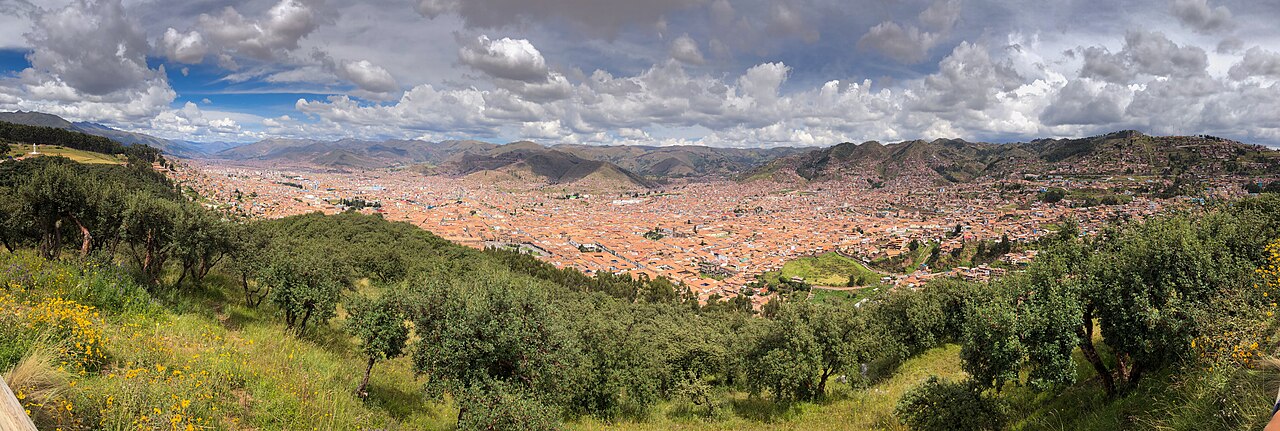
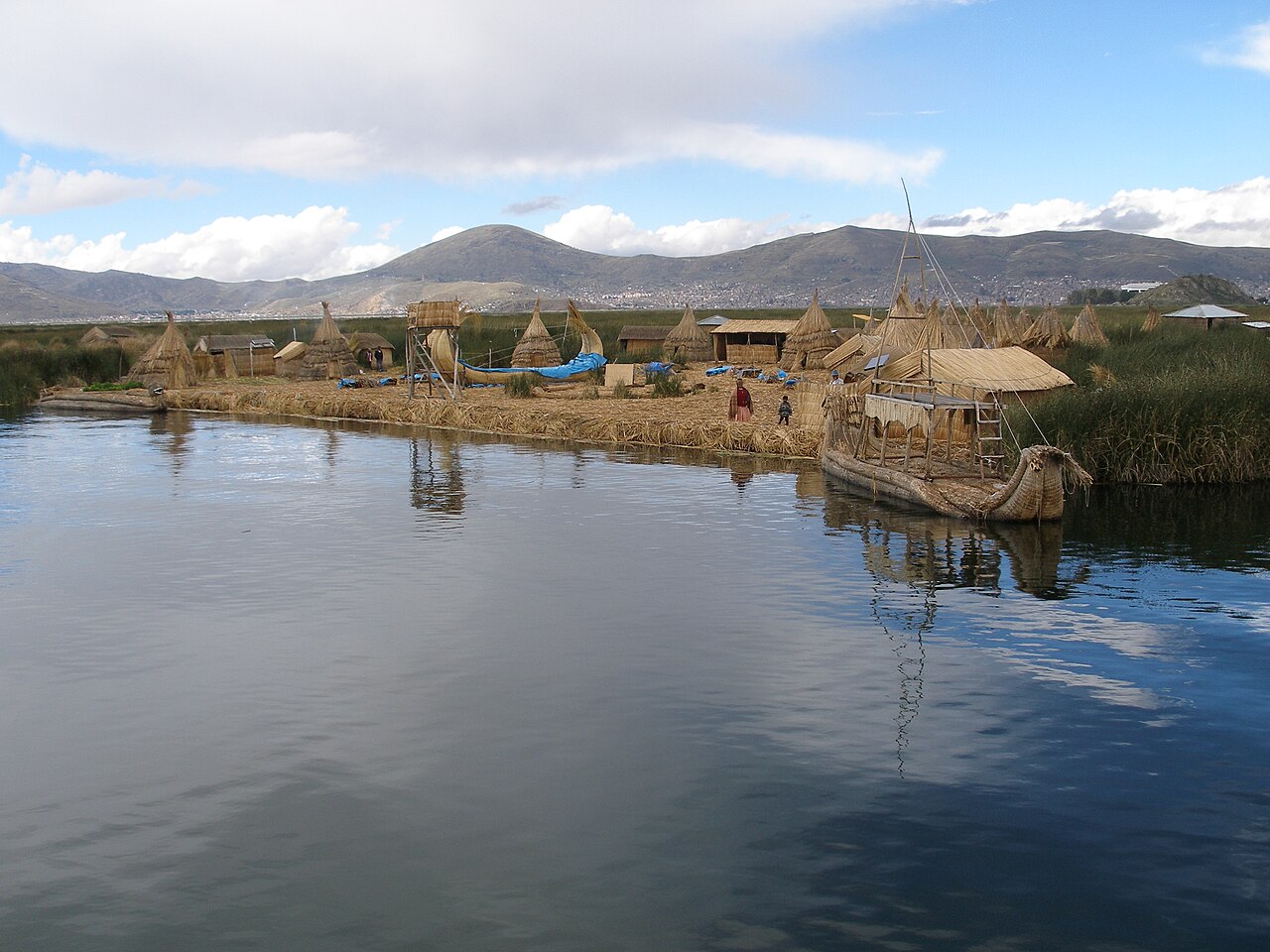
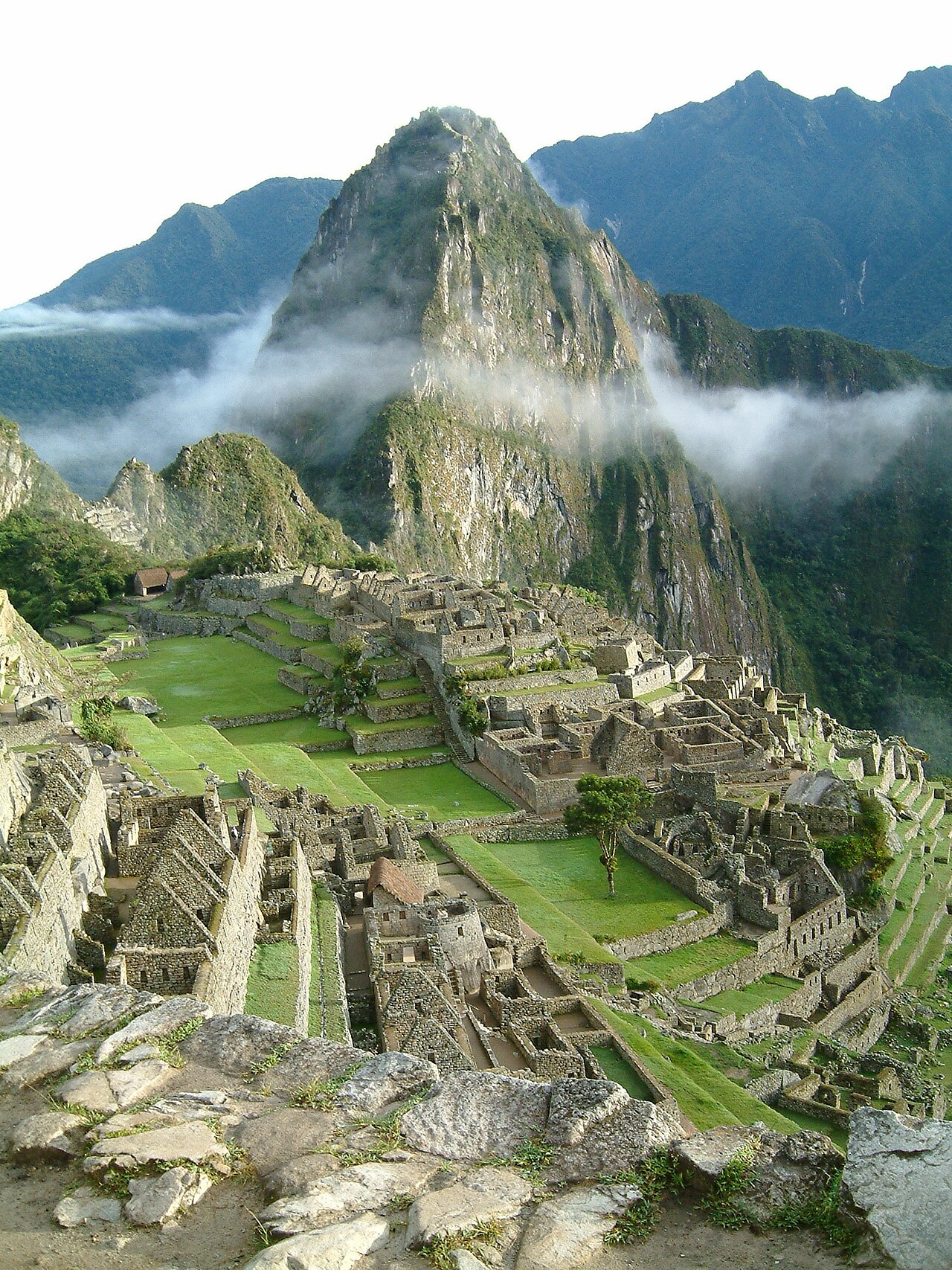
What to see in Peru? Machu Picchu, the Inca citadel above the Urubamba valley; the Ballestas Islands, sometimes called the “poor man’s Galapagos” for their sea lion and Humboldt penguin colonies; Lake Titicaca and its floating Uros reed islands; the colonial centre of Cusco, once the capital of the Inca Empire.
Diving in Peru
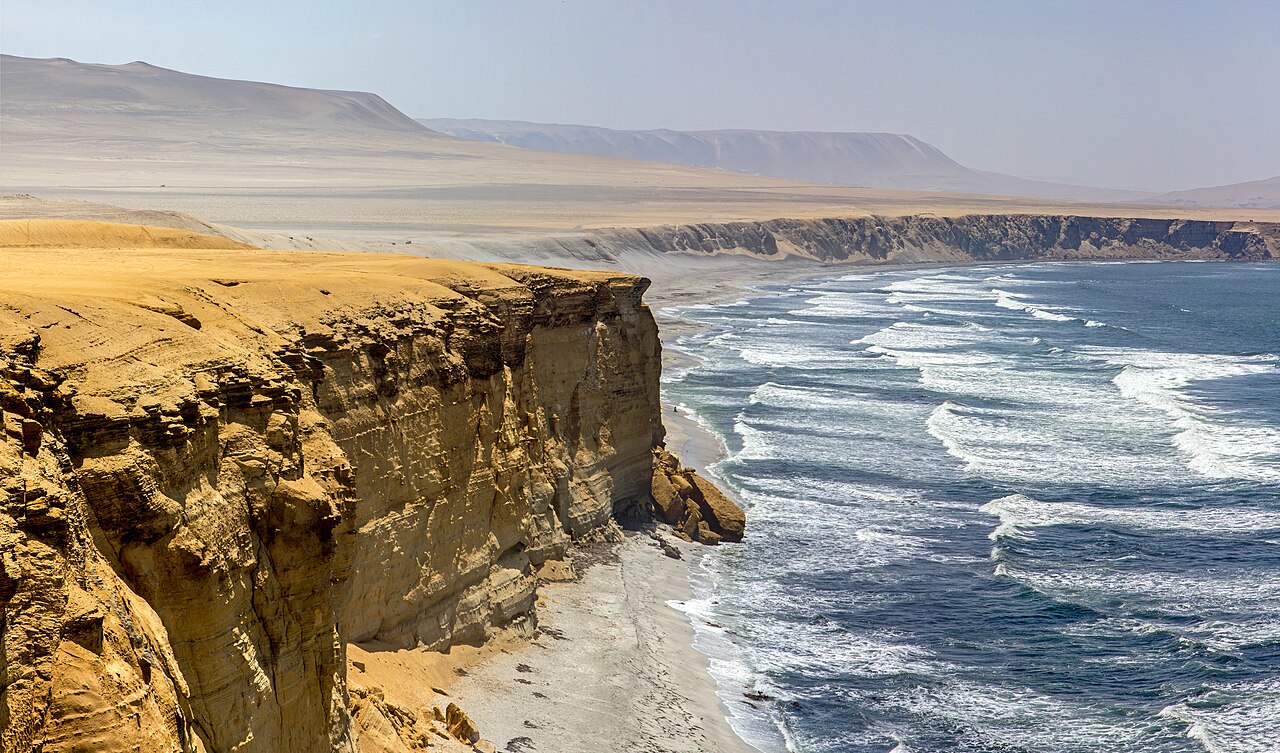
Peru is not a tropical reef destination, and it is honest to say diving here is a niche activity rather than the reason most people visit. What it does have is genuinely unusual: cold, nutrient-rich Pacific water off Lima and the Paracas National Reserve, carried up from the south by the Humboldt Current, and a landlocked high-altitude lake shared with Bolivia.
Along the coast, dive operators run trips out of Lima to the Palomino Islands and out of Paracas to the Islas Ballestas and Isla Blanca, where rocky reefs and kelp hold Peruvian sea lions that will swim right up to divers, plus moray eels, rays and, further south, occasional sightings of sea turtles. The water is cold rather than tropical - a wetsuit is not optional - and visibility is best in the dry season from May to September.
The other option is entirely different: Lake Titicaca, out of Puno, where a small number of operators run altitude dives from beaches like Chifrón. Diving above 3,800 meters requires altitude-diving procedures and, in practice, training through the high-altitude diving programs run on the Bolivian side of the lake. There are no coral reefs or tropical fish here - the appeal is the novelty of diving in one of the highest large lakes on Earth, in water that has also given up genuine pre-Inca and Inca archaeological remains to research divers over the years.
Country
Peru stretches down the Pacific coast of South America between Ecuador and Chile, with Bolivia and Brazil along its eastern border. The country splits into three very different bands: a narrow, arid Pacific coastal strip in the west, the high peaks of the Andes running down the middle, and the Amazon rainforest basin covering roughly the eastern sixty percent of the territory. The capital, Lima, sits on the coast and is home to close to a third of the country’s 34 million people. The official language is Spanish, with Quechua and Aymara co-official in the regions where they are widely spoken, and the currency is the Peruvian sol.
Climate depends entirely on which of the three bands you are in: the coast is desert-dry and mild year round thanks to the cold offshore Humboldt Current, the Andean highlands are cool and thin-aired at altitude, and the Amazon lowlands are hot and humid with a pronounced wet season. Peru was the heartland of the Inca Empire, the largest pre-Columbian state in the Americas, and Cusco and the Sacred Valley are still full of Inca stonework, with Machu Picchu as the best known survivor.
Lake Titicaca, shared with Bolivia, is the highest navigable lake in the world at nearly 3,812 meters, and is considered the legendary birthplace of the Inca in Andean mythology; its Uros islands are built entirely from woven totora reeds and are still inhabited today.
Most biggest airports
Jorge Chávez International Airport (LIM), Lima - the country’s main international gateway.
Alejandro Velasco Astete International Airport (CUZ), Cusco - the usual connecting airport for Machu Picchu, the Sacred Valley and Lake Titicaca.