Dive Destinations
Verified dive centers and liveaboards across the world’s best waters — pick a country and start planning.
Niue
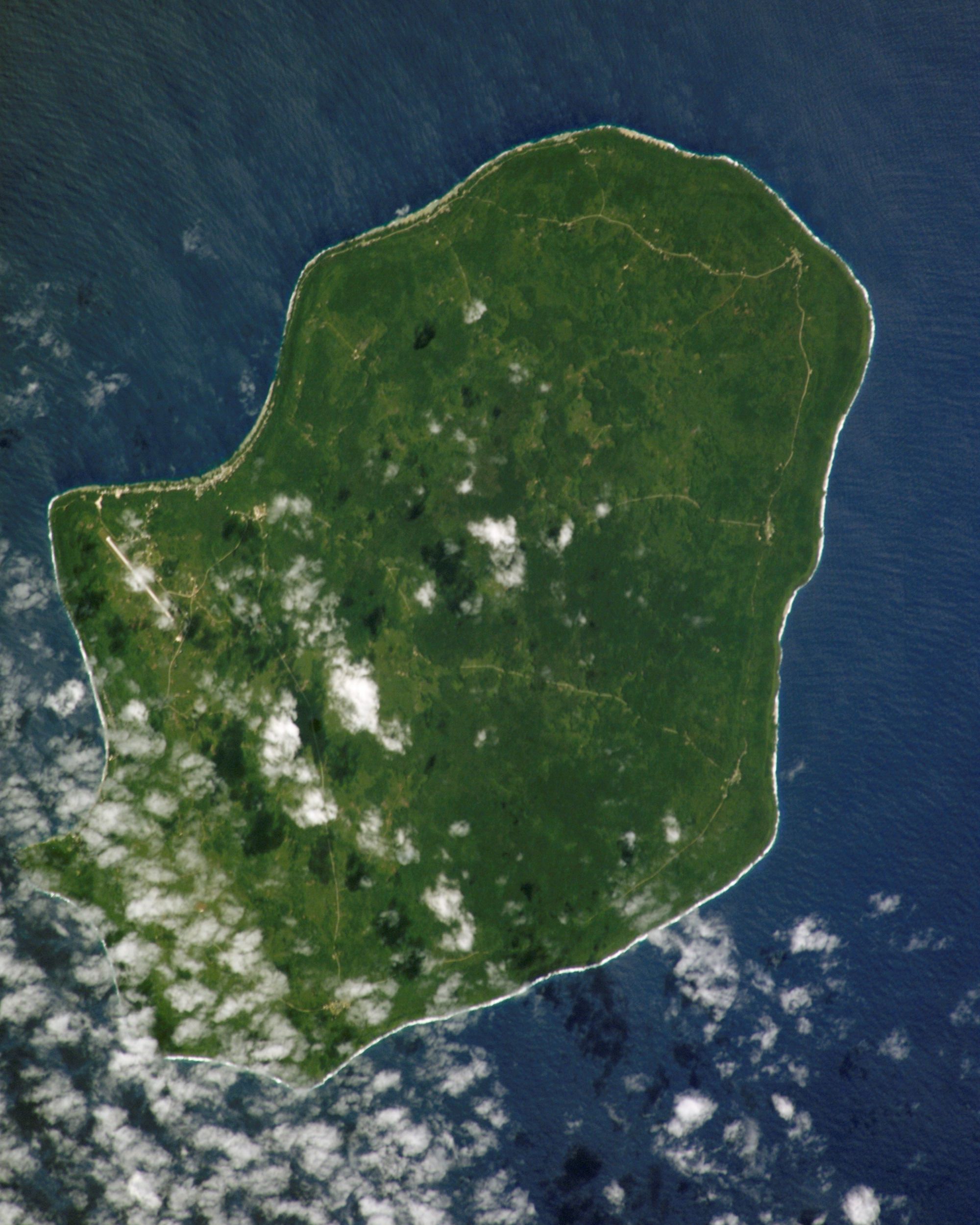
What to see in Niue? One of the world's largest raised coral atolls, with no rivers and some of the clearest ocean water on the planet; limestone chasms like Matapa and Togo, reached on foot through coastal forest; and humpback whales that pass close enough to shore, September through October, for guided swims in gin-clear water.
Diving in Niue
Niue's diving is defined by its water, routinely 50 meters of visibility and sometimes 80, among the clearest anywhere in the Pacific, a direct result of having no rivers to carry silt or runoff into the sea. Divers drift over deep channels and hard coral reef with whitetip and grey reef sharks, dogtooth tuna and barracuda, launching mostly from Avatele on the island's southwest side.
The signature encounter is the katuali, Niue's own subspecies of banded sea krait, found here in some of the highest densities recorded anywhere in the Pacific and seen on almost every dive; it is highly venomous but placid and curious around divers. From July to October, migrating humpback whales pass close enough to the island for small, tightly regulated swim tours - a maximum of six swimmers with a local guide at a time - in the same clear water that makes the rest of the diving here so distinctive.
Country
Niue is a small, self-governing island nation in the South Pacific, east of Tonga, and one of the world's largest raised coral atolls at about 261 square kilometers. The 2022 census counted only 1,681 residents, making it one of the smallest populations of any country. Alofi is the capital, English and Niuean are the official languages, and the currency is the New Zealand dollar.
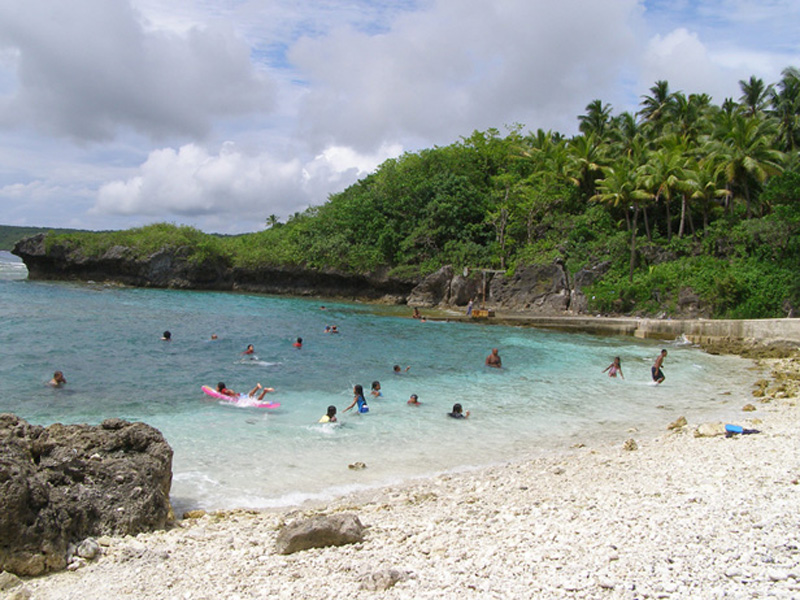
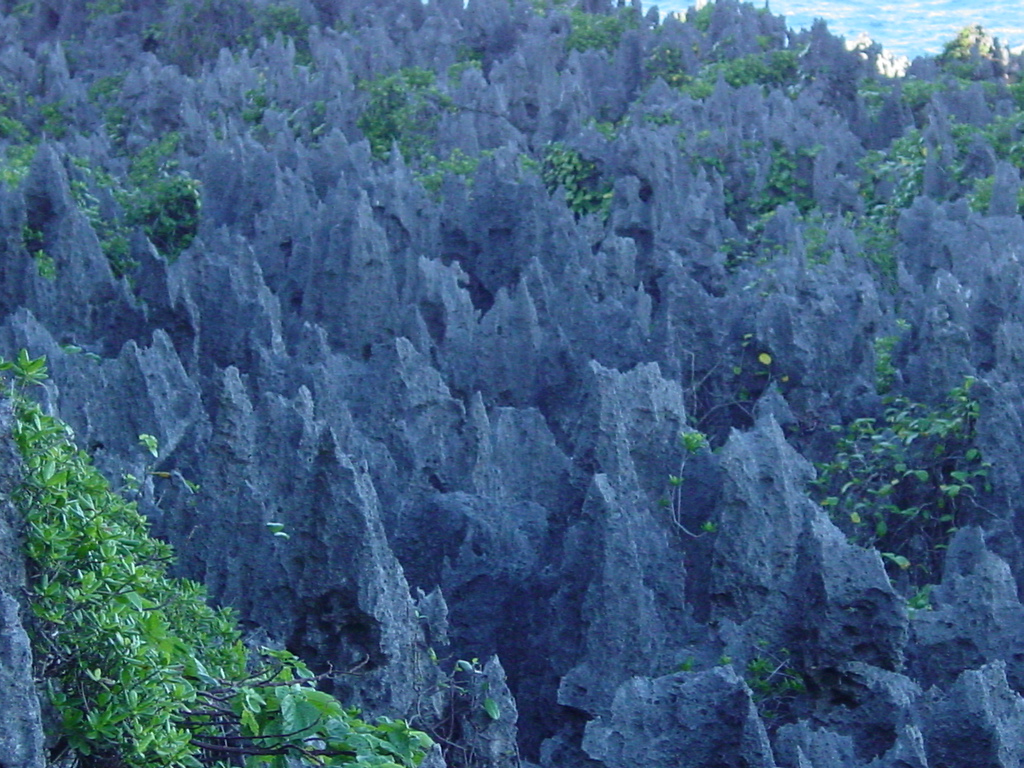
The island is essentially a limestone plateau rising to around 60 meters, ringed by steep coastal cliffs, with no rivers or lakes: rainwater filters straight through the porous coral rock instead of running off, which is also why the surrounding sea stays so exceptionally clear. That same limestone has been carved into caves, chasms and natural pools like the Limu Pools along the coast.
Samoan Polynesians settled Niue around 900 CE. Niue became a British protectorate in 1900 and was annexed to New Zealand the following year. In 1974, Niueans voted for self-government in free association with New Zealand rather than full independence or continued territorial status, an arrangement that still holds today.
Most biggest airports
Niue International Airport / Hanan International Airport (IUE), near Alofi - the only airport, served by Air New Zealand twice weekly from Auckland.