Dive Destinations
Verified dive centers and liveaboards across the world’s best waters — pick a country and start planning.
New Caledonia
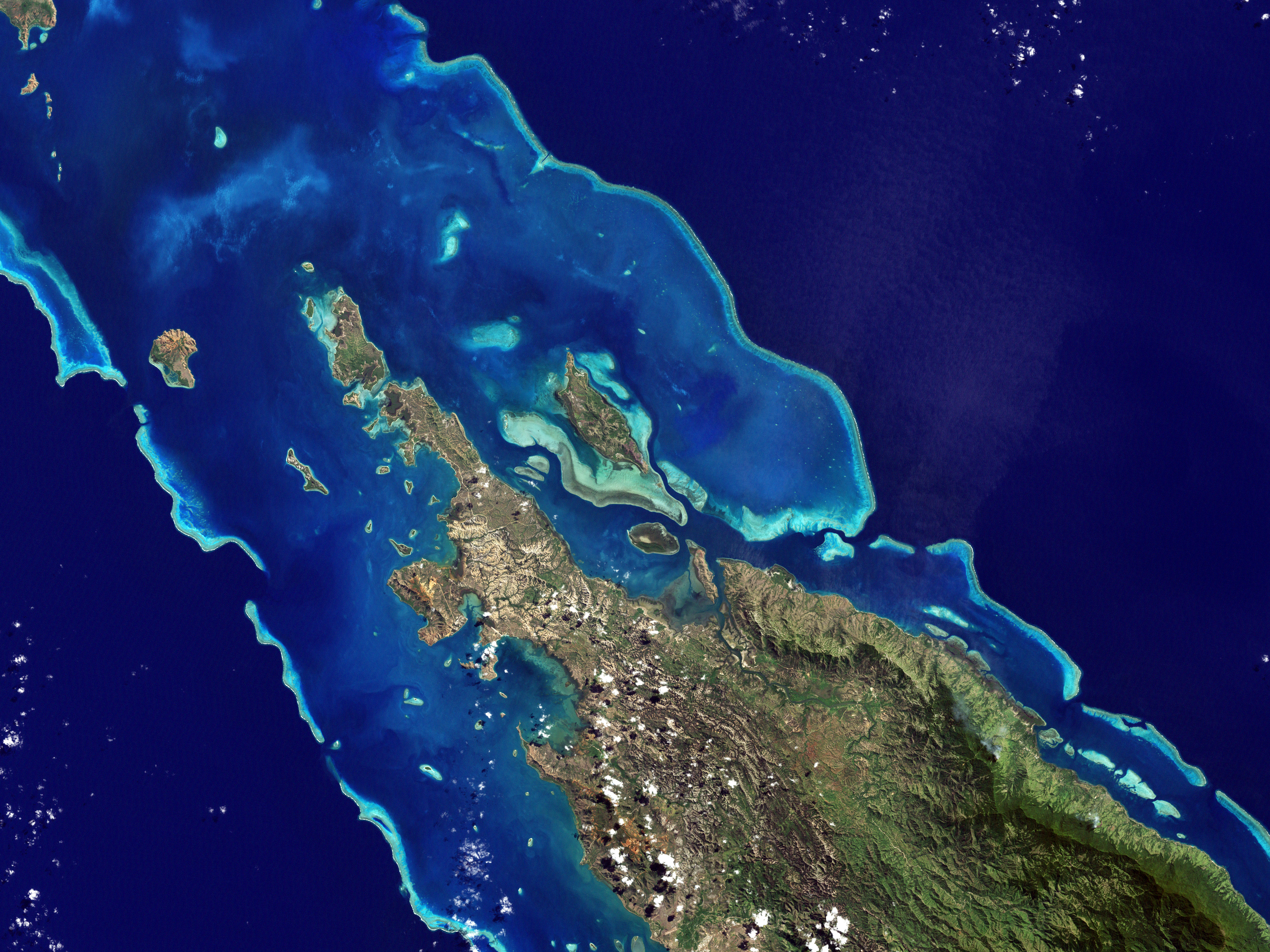
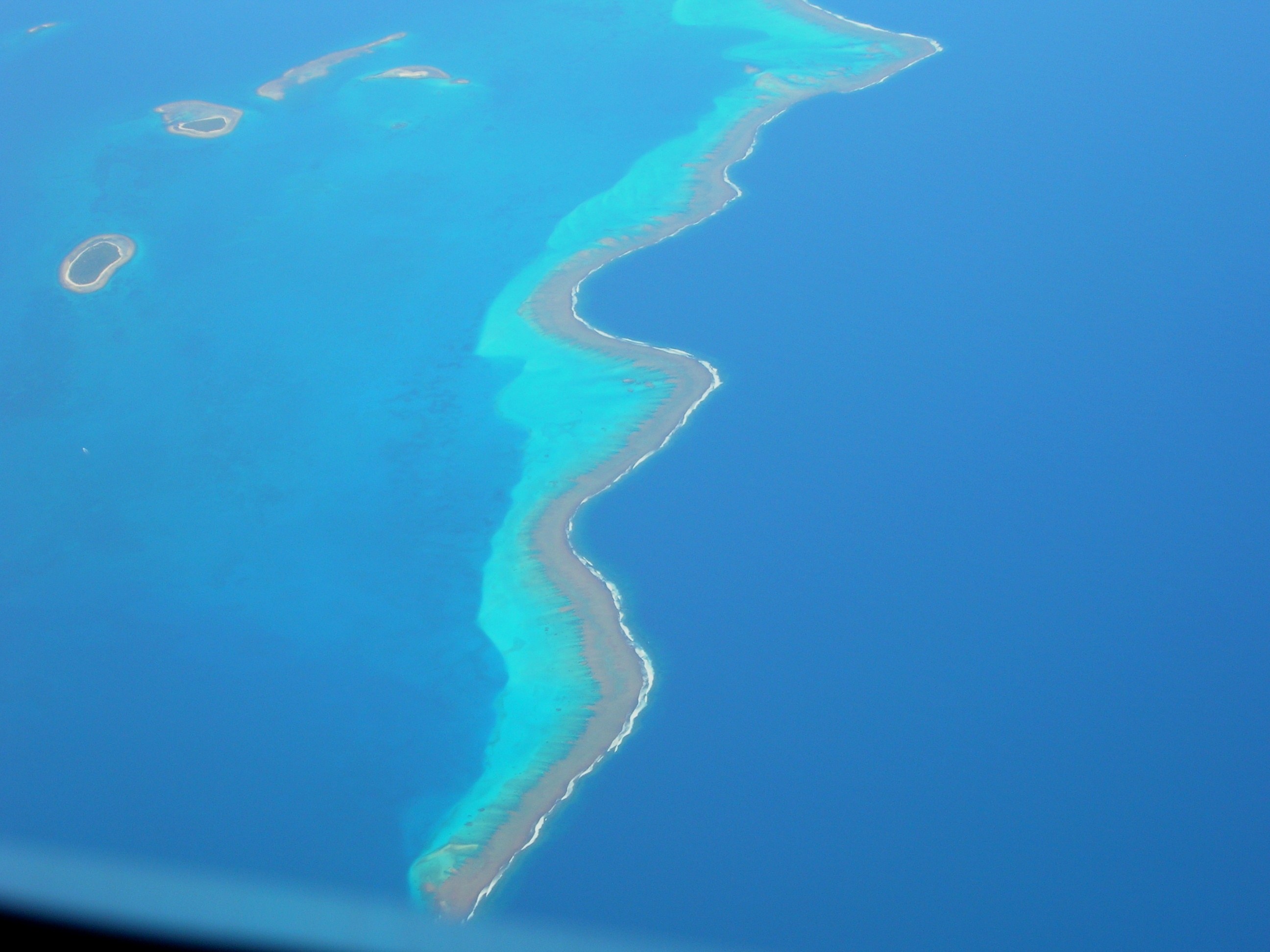
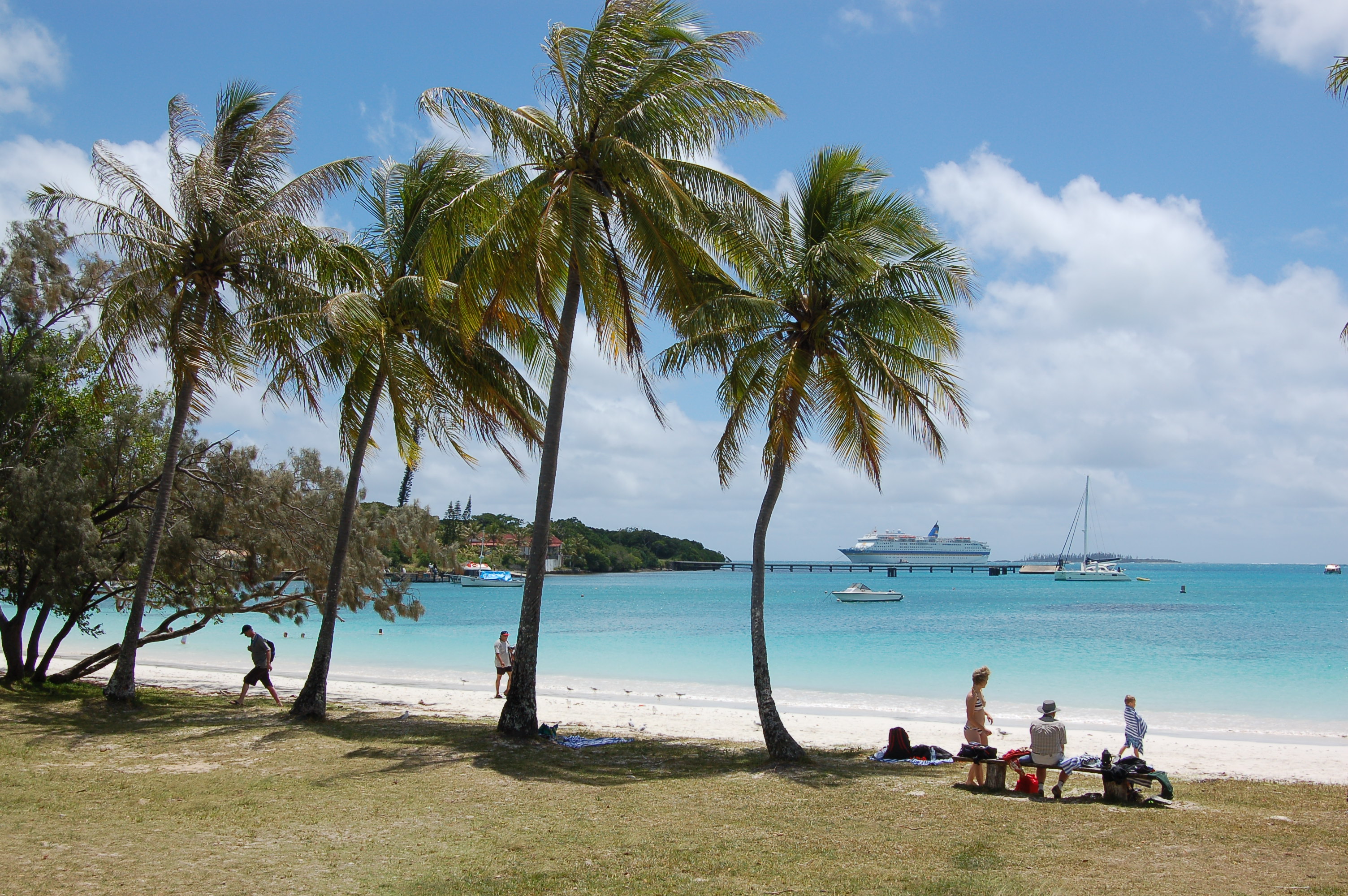
What to see in New Caledonia? The world's largest lagoon and barrier reef system, a UNESCO World Heritage Site enclosing over 24,000 square kilometers of turquoise water; the Isle of Pines, with its coral pinnacle islets and Kuto Bay; Prony Bay's underwater chimney fed by hot springs; and the Dieppoise, a wreck deliberately sunk off Amédée Islet.
Diving in New Caledonia
Prony Bay, in the south of Grande Terre, holds one of the territory's strangest dives: the Aiguille de Prony, a hot-spring-fed pinnacle rising 40 meters from the seabed to within two meters of the surface, coated in corals, scorpionfish and, on night dives, Spanish dancers - with a chance, rare but real, of a nautilus. Nearby, the Dieppoise, scuttled in 1988 off Boulari Pass near Amédée Islet, sits at 26 meters and is thick with reef fish, and the Epave de la Joliette wreck lies off Thio further up the coast.
Depending on the season, divers around Grande Terre and the lagoon run into whitetip and leopard sharks, stingrays, schools of jacks, napoleon wrasse, turtles and dugongs, alongside the banded sea snakes that show up on almost every dive. The Isle of Pines, a short flight or ferry from Nouméa, adds fringing reef dives through forests of sea fans, canyons and swim-throughs, all thick with reef sharks, turtles and rays.
Country
New Caledonia is a French special collectivity in the southwest Pacific, about 1,210 km east of Australia. It is centered on the main island, Grande Terre, with the Loyalty Islands (Lifou, Maré and Ouvéa) and the Isle of Pines nearby. The 2025 census recorded a population of 264,596, made up largely of Kanak (41.2%), European (24.1%) and Polynesian (10.3%) communities. Nouméa is the capital, French the official language, and numerous indigenous Kanak languages are also recognized.
The currency is the CFP franc, fixed to the euro. The New Caledonian lagoon covers roughly 24,000 square kilometers, making it one of the largest lagoons on Earth, and its barrier reef and lagoon system was inscribed as a UNESCO World Heritage Site in 2008 for its coral diversity. The climate is tropical, warm and humid from November to March (27-30°C) and cooler and drier from June to August (20-23°C).
The Kanak people have lived on Grande Terre for over 3,000 years. France annexed the territory in 1853 and used it as a penal colony through the late 19th century; European settlement and nickel mining followed. New Caledonia remains a French special collectivity today, with its own government and a long, still-unresolved political debate over independence.
Most biggest airports
La Tontouta International Airport (NOU), about 37 km northwest of Nouméa - the main international gateway.
Nouméa Magenta Airport (GEA) - the domestic hub within Nouméa.
Île des Pins Airport (ILP) - gateway to the Isle of Pines.