Dive Destinations
Verified dive centers and liveaboards across the world’s best waters — pick a country and start planning.
French Polynesia
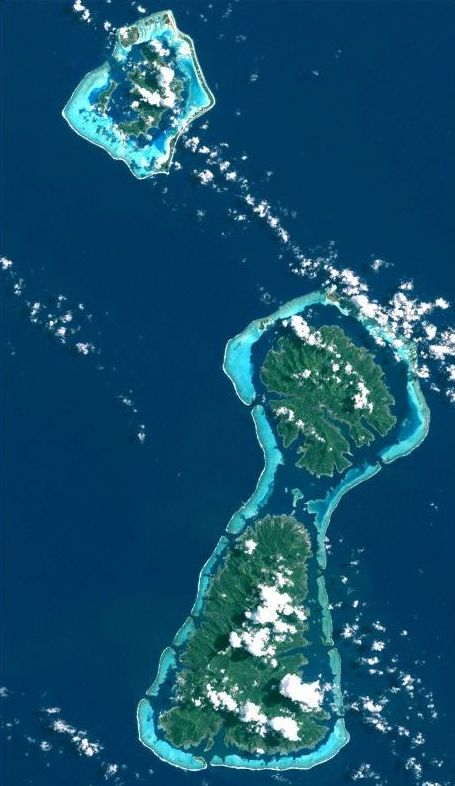
What to see in French Polynesia? The volcanic silhouette of Bora Bora's Mount Otemanu rising over its lagoon; Tahiti's black-sand beaches and Point Venus, where Captain Cook observed the transit of Venus in 1769; the passes of Rangiroa and Fakarava, where hundreds of grey reef sharks gather in the current; and Fakarava's Garuae Pass, a UNESCO Biosphere Reserve where groupers spawn by the thousand every year.
Diving in French Polynesia
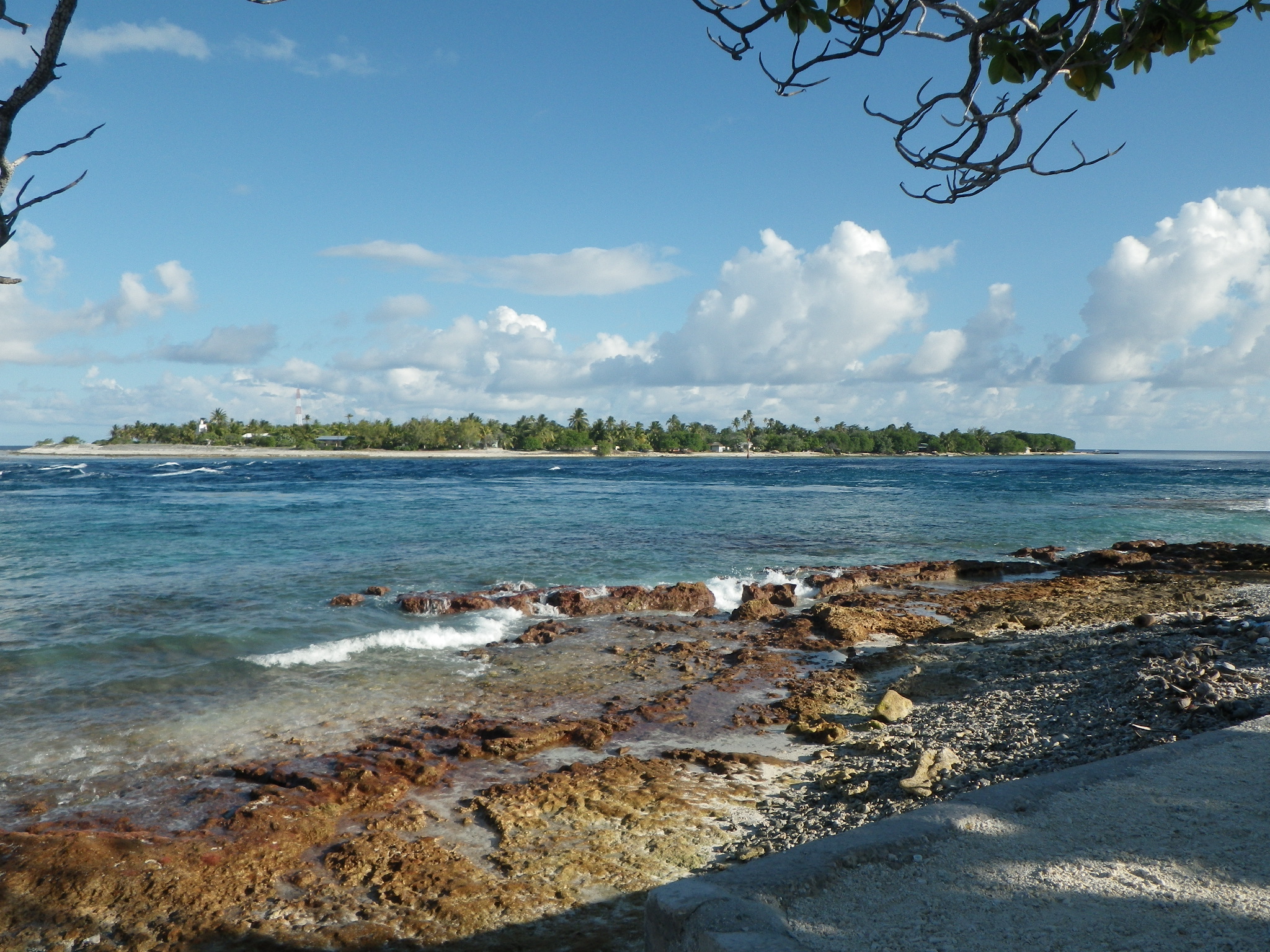
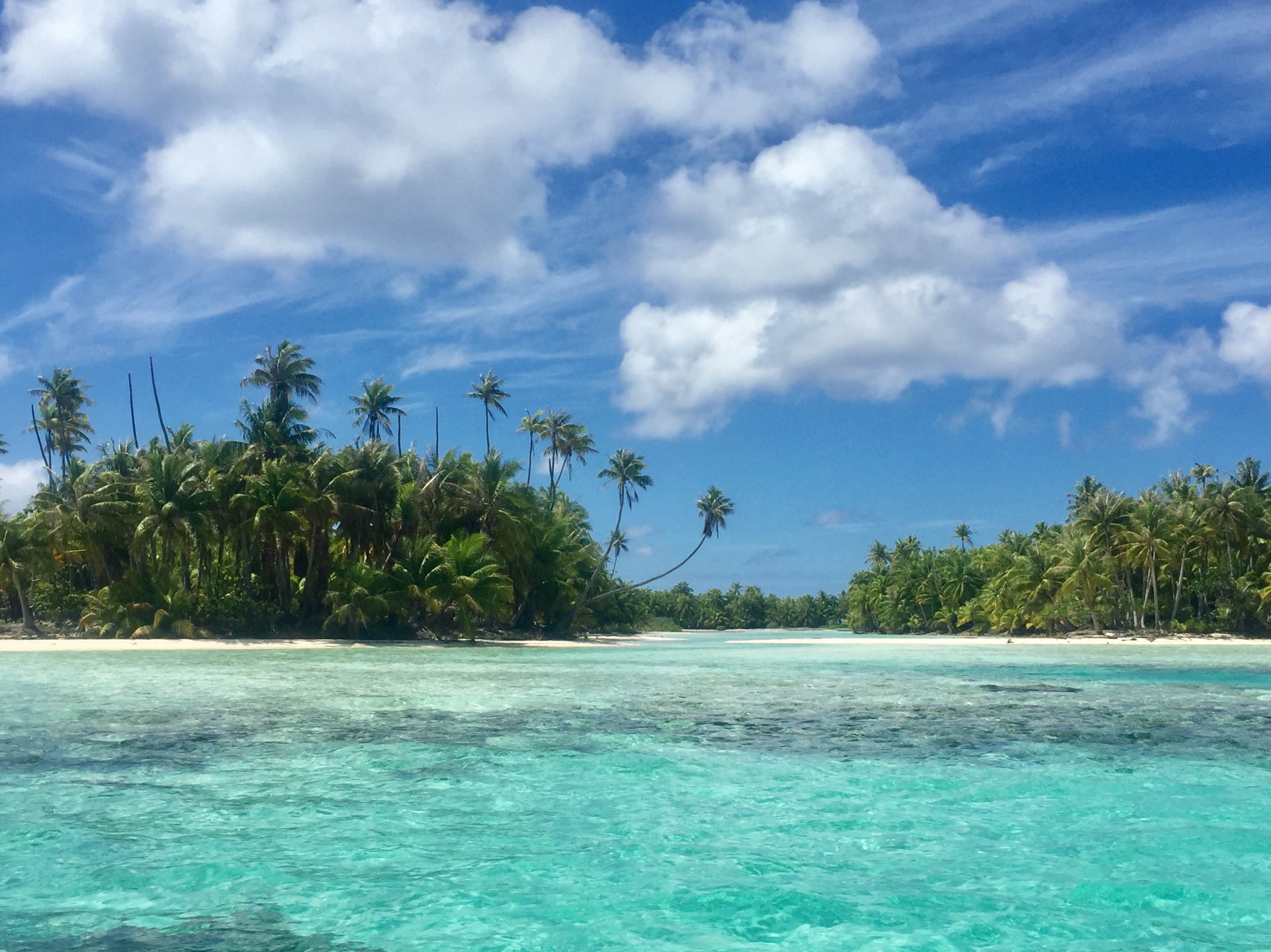
French Polynesia's Tuamotu atolls are where the ocean pours through narrow passes twice a day, and that current is exactly what makes the diving here famous. Tiputa Pass on Rangiroa is the territory's most iconic dive: a drift through a wall of grey reef and whitetip sharks, with schools of jacks and barracuda, eagle rays, manta rays and resident dolphins, and great hammerhead sharks gathering to hunt between January and March.
Fakarava, a UNESCO Biosphere Reserve, is built around two passes: Garuae in the north, the widest in French Polynesia, and Tumakohua in the south, home to the so-called Shark Hole, where lemon, grey reef and blacktip sharks gather by the hundred. The south pass also hosts one of the last great grouper spawning aggregations on the planet, timed to the June-July full moon. Water stays between 26 and 29°C year-round, with visibility regularly reaching 30-40 meters, and liveaboards run circuits through the Tuamotus for divers who want more than one atoll.
Country
French Polynesia is an overseas country of France made up of 121 islands and atolls scattered across more than 2,000 kilometers of the South Pacific, organized into five archipelagos: the Society Islands (Tahiti, Moorea, Bora Bora, Raiatea), the Tuamotu Archipelago of roughly 80 coral atolls including Rangiroa and Fakarava, the high volcanic Marquesas Islands, the Austral Islands, and the remote Gambier Islands. The population is around 279,000, nearly 69% of it on Tahiti, and the capital, Papeete, sits on Tahiti's northwest coast. French is the official language, though Tahitian and other Polynesian languages are widely spoken.
The currency is the CFP franc, fixed to the euro at a permanent rate (1 EUR = 119.33 XPF). The Society and Marquesas Islands are high, volcanic and mountainous, with Tahiti's Mount Orohena reaching 2,241 meters, while the Tuamotus are low coral atolls barely rising above the lagoon. The climate is tropical, warm year-round with a wetter, hotter season from November to April.
Polynesian navigators settled the Society Islands roughly a thousand years ago, and Tahiti became a magnet for European explorers from the 18th century, including Wallis, Bougainville and Cook. France established a protectorate in the 1840s and later a full colony; since 2004 the territory has held the status of an overseas country with significant autonomy, while France retains control of defense and foreign affairs.
Most biggest airports
Fa'a'ā International Airport (PPT), Tahiti - the main international gateway to French Polynesia, a few minutes from Papeete.
Bora Bora Airport (BOB), Motu Mute - domestic flights to Bora Bora's lagoon.
Rangiroa Airport (RGI) and Fakarava Airport (FAV) - domestic gateways to the Tuamotu dive atolls.