Dive Destinations
Verified dive centers and liveaboards across the world’s best waters — pick a country and start planning.
Cook Islands
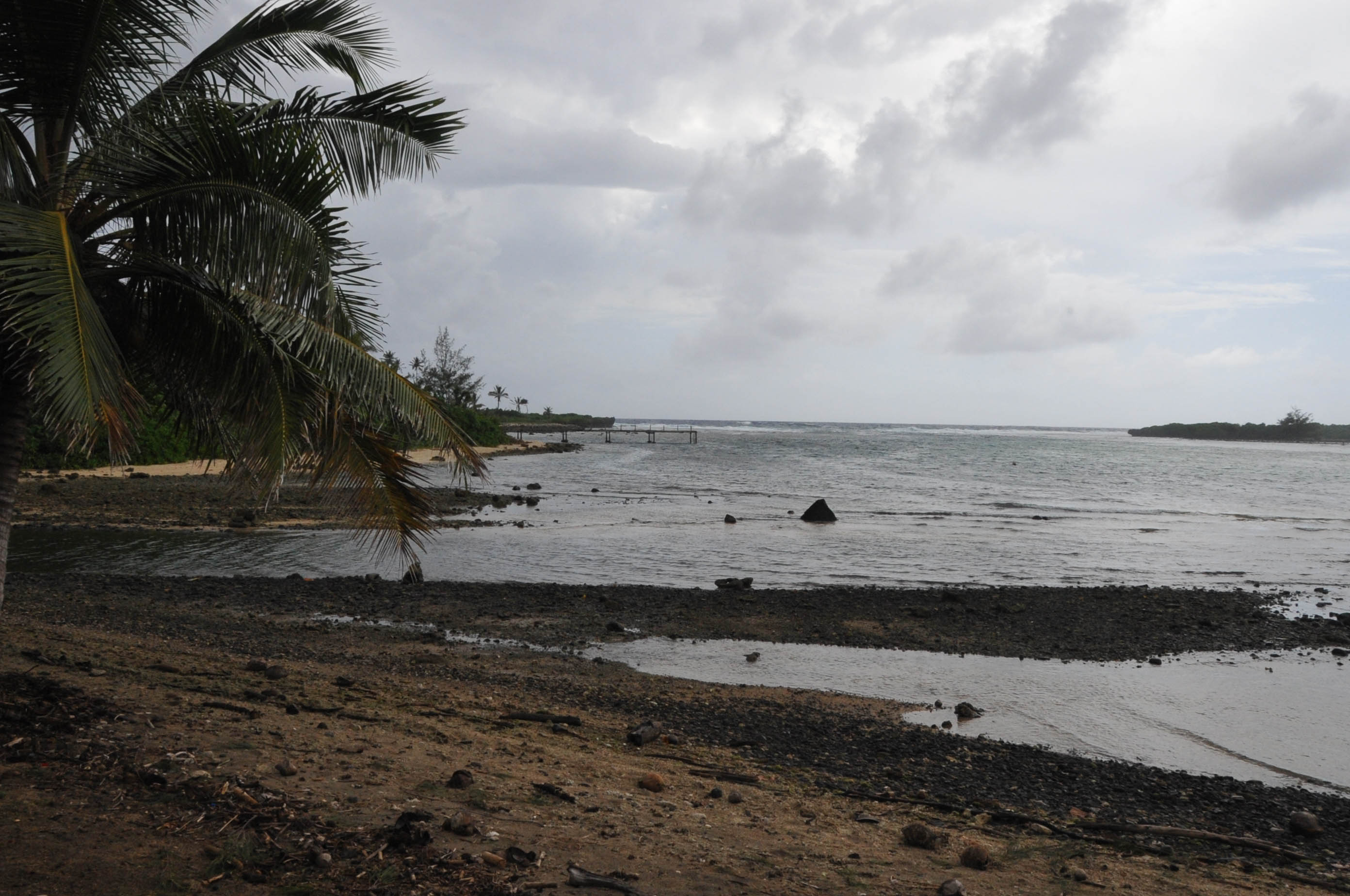
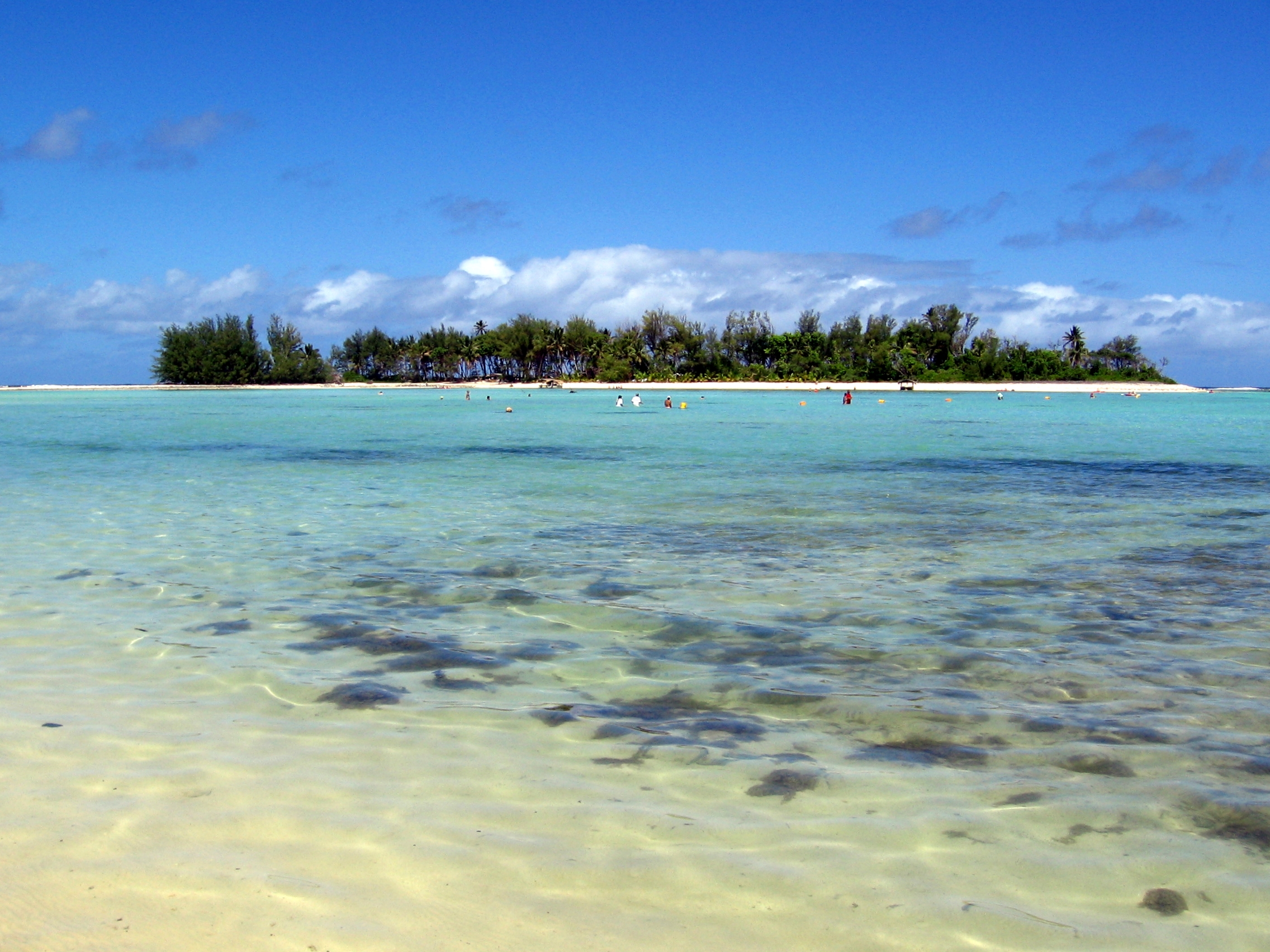
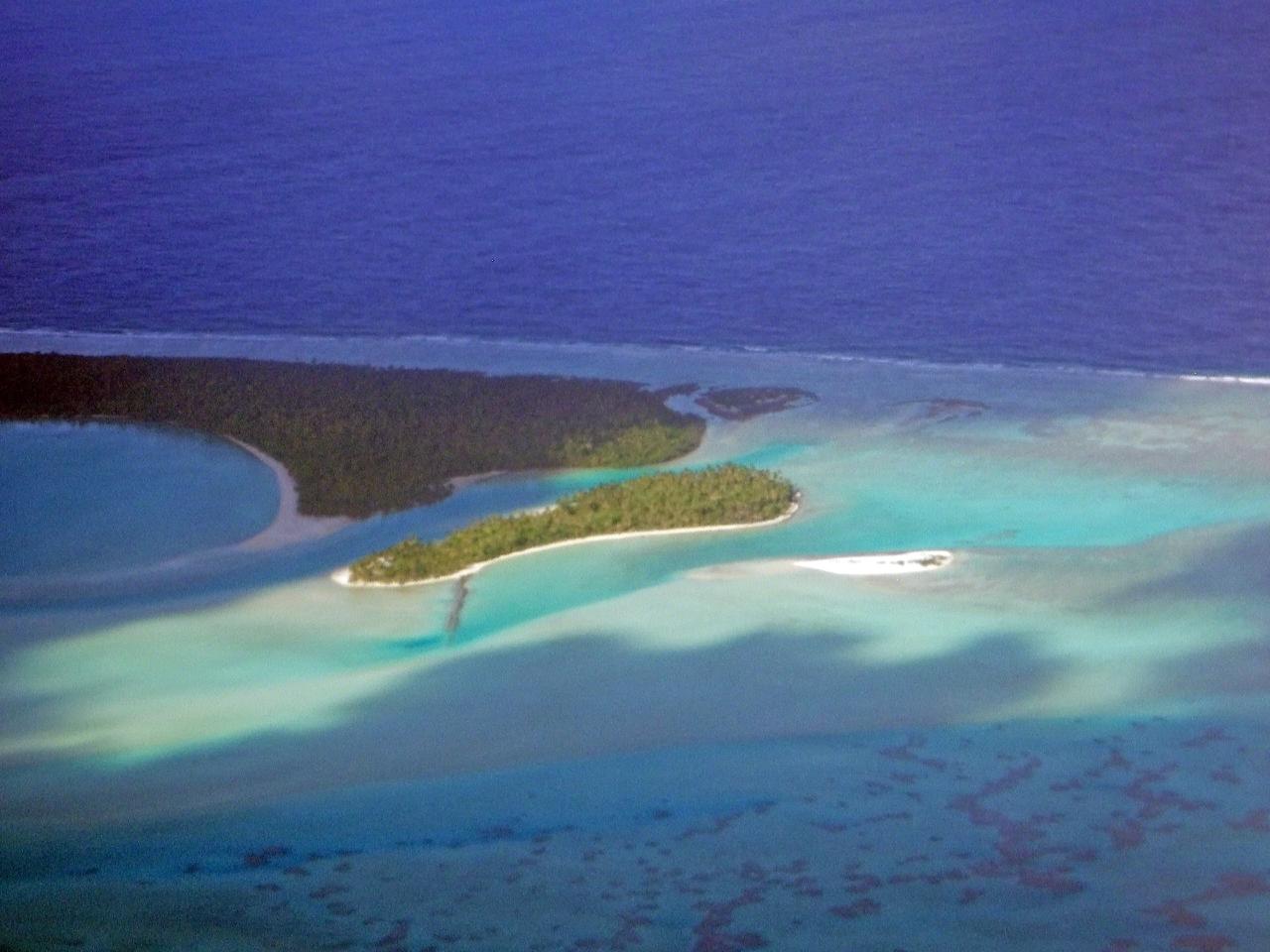
What to see in the Cook Islands? Aitutaki's turquoise lagoon, ringed by a necklace of motu including One Foot Island; Rarotonga's fringing reef circling the island's volcanic peaks; and the annual arrival of humpback whales between July and October, when swimmers can join guided encounters in open water.
Diving in Cook Islands
Rarotonga and Aitutaki between them offer more than 40 recognized dive sites, and the water clarity is a large part of the draw, with visibility regularly reaching 60 meters. Aitutaki's shallow lagoon is known for swimming with turtles and manta rays, and its canyon dives bring in sharks, eagle rays and schools of giant trevally alongside the coral gardens.
Rarotonga's fringing reef circles the island with shallow reef dives, cave dives, wreck sites and deeper drop-offs, and curious reef sharks are a regular feature. From July to October, humpback whales migrate through Cook Islands waters to breed and raise calves before heading back to Antarctic waters, and guided swim tours run alongside the regular dive season.
Country
The Cook Islands are a group of 15 islands spread across the South Pacific between American Samoa and French Polynesia, with a total land area of only about 237 square kilometers. Rarotonga, the largest island, has 10,863 residents (2021 census) and hosts the capital, Avarua; the total population of the country is around 15,040, though far more Cook Islanders live in New Zealand and Australia. English and Cook Islands Māori are both official languages, and the currency is the New Zealand dollar, alongside the country's own Cook Islands dollar coins.
The Cook Islands are a constitutional monarchy in free association with New Zealand, self-governing since 4 August 1965, and since the early 2000s they have run their own independent foreign and defence policy, maintaining diplomatic relations with 52 countries despite not holding UN membership. Tourism, offshore banking, pearl farming and marine products drive the economy.
Polynesian settlers arrived around AD 1000, and European contact began in 1595. Captain Cook charted several of the islands in the 1770s, and Christian missionaries arrived in 1821, reshaping island life within a generation.
Most biggest airports
Rarotonga International Airport (RAR) - the country's only international gateway.
Aitutaki Airport (AIT) - domestic, connected to Rarotonga.