Dive Destinations
Verified dive centers and liveaboards across the world’s best waters — pick a country and start planning.
Slovenia
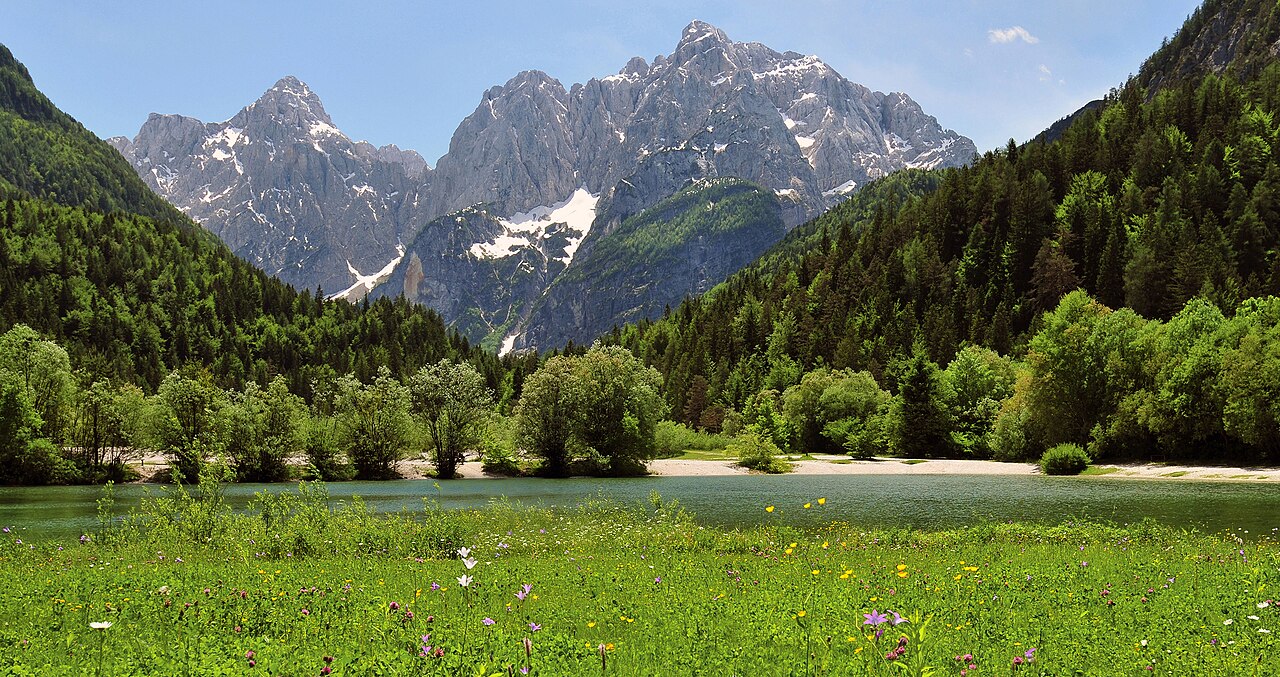
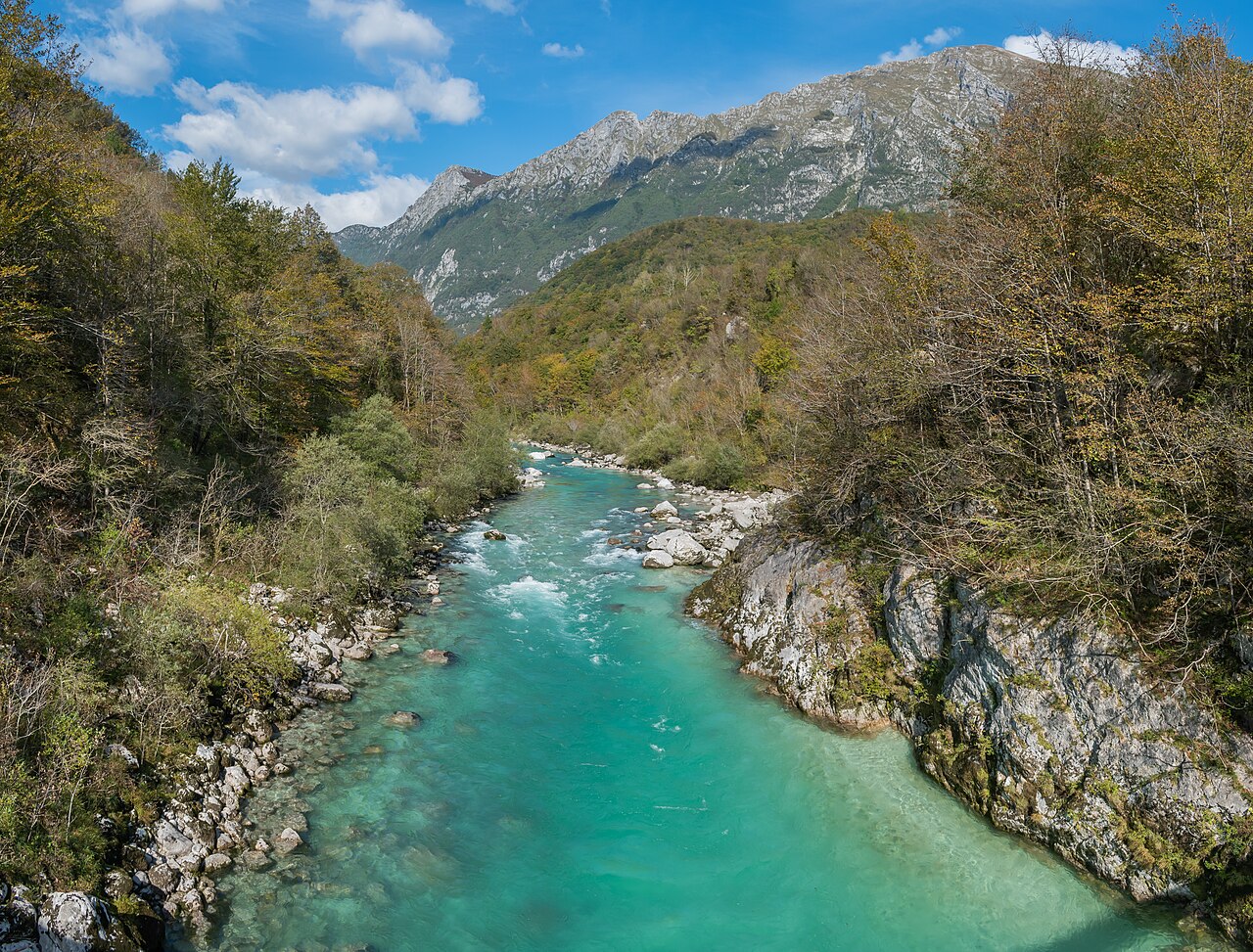
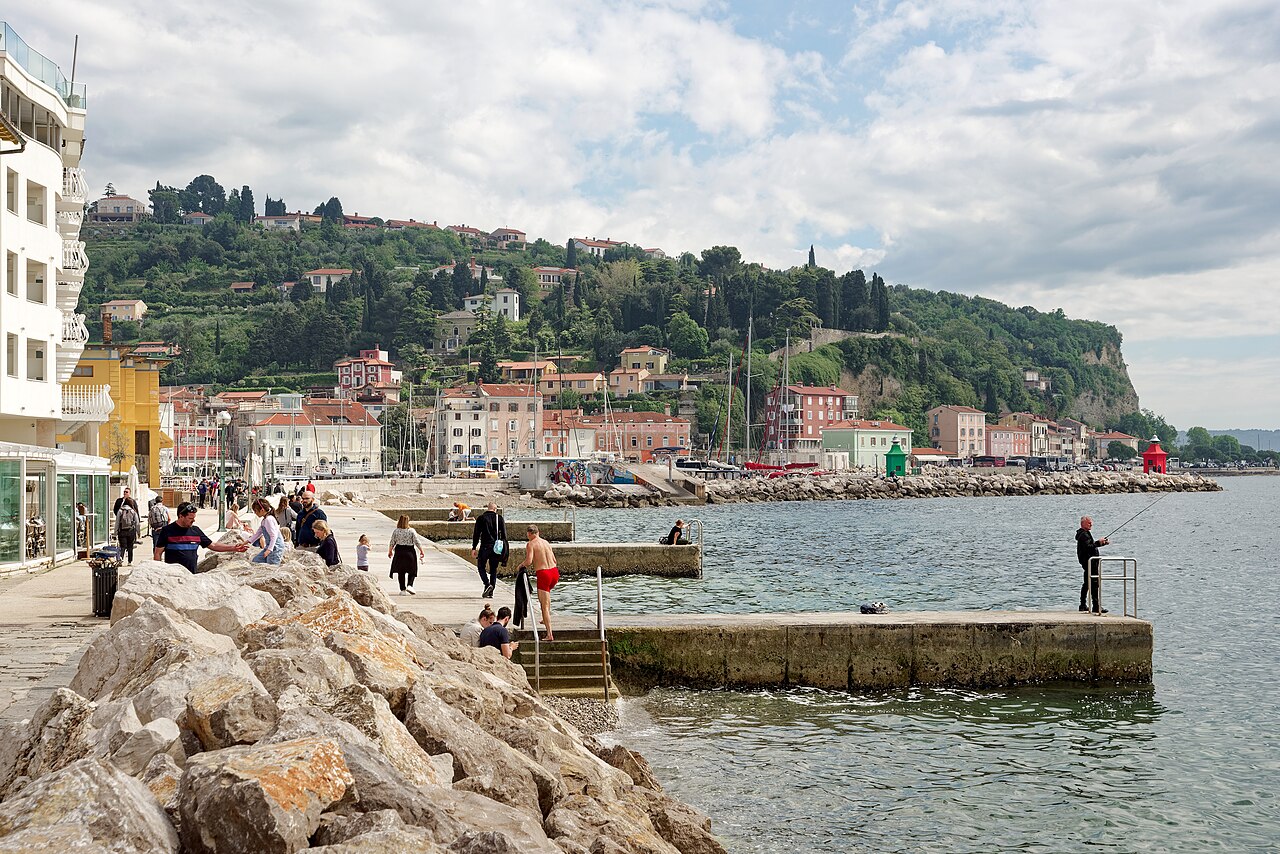
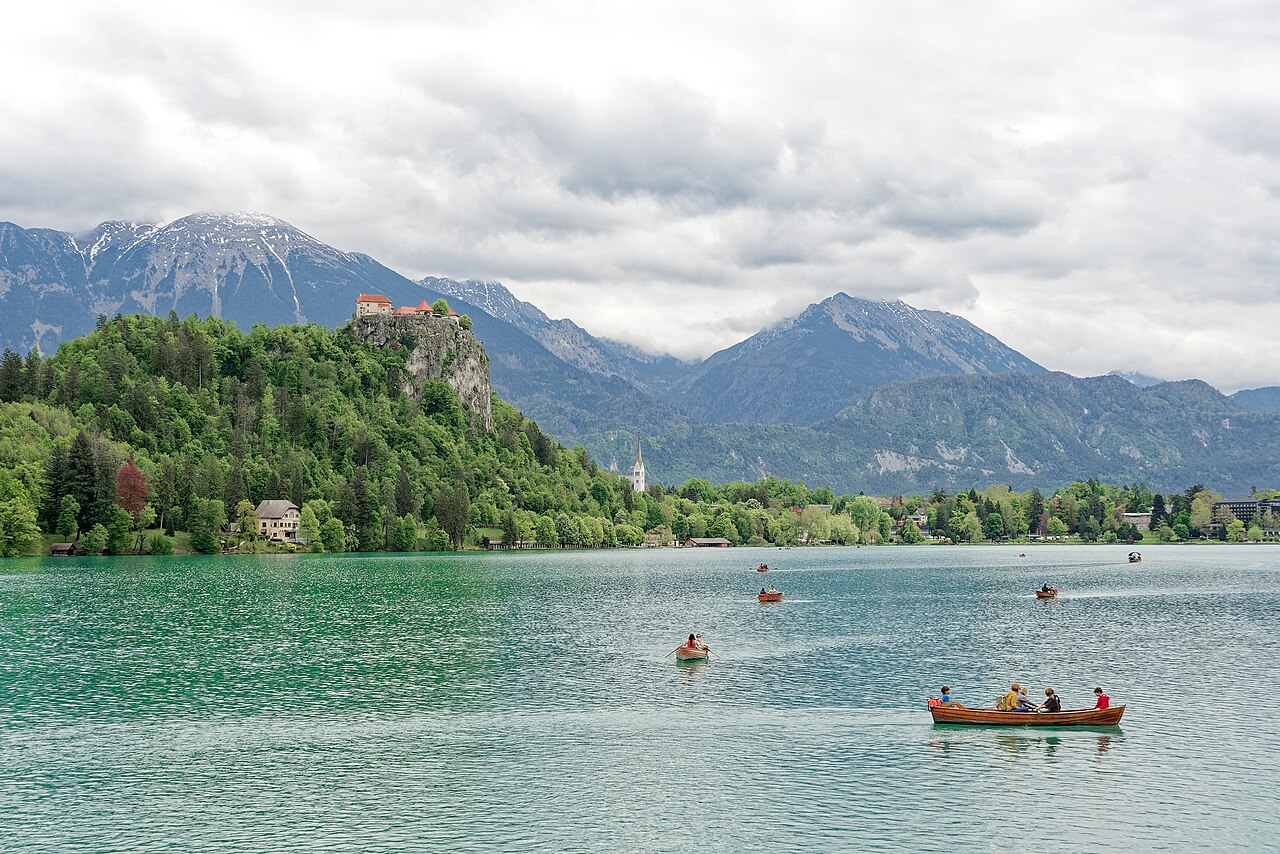
What to see in Slovenia? Lake Bled and its island church, ringed by the Julian Alps; the Postojna and Škocjan karst caves; the turquoise Soča River valley; the tiny Adriatic old town of Piran.
Diving in Slovenia
Slovenia is honestly not a sea-diving country - its Adriatic coastline is barely 46 kilometers long, squeezed between Italy and Croatia around Piran, and diving there is modest: rocky reefs and the occasional small wreck, shared in character with the neighboring Istrian dive scene rather than a destination in its own right.
Where Slovenia does have a real, well-established diving culture is fresh water. Lake Bled, the glacial lake below the Julian Alps famous for its island church, has several dive centers running courses and guided dives in clear water that warms to around 24°C in summer; divers see catfish, pike, carp and crayfish among the reeds and lotus beds, and night dives are a local specialty. The nearby Soča River, known for its striking turquoise-emerald color, is more associated with rafting and canyoning than scuba diving, though its clear water and large trout make it a well-known snorkeling spot. None of this is tropical or coral diving - it is freshwater alpine diving, and that is exactly its appeal.
Country
Slovenia is a small, mostly mountainous and forested country in Central Europe, wedged between Italy, Austria, Hungary and Croatia. The capital is Ljubljana, and the population is around 2.1 million. The official language is Slovene, and the currency is the euro, adopted in 2007 after Slovenia joined the eurozone. The country covers just over 20,000 square kilometers, but packs in the Julian Alps in the northwest, a large limestone karst plateau in the southwest - the region that gave the world the geological term “karst” - and a short 46.6-kilometer Adriatic coastline squeezed between Italy and Croatia around the town of Piran.
The climate is temperate continental over most of the country, with a milder, Mediterranean-influenced climate along that short coastal strip and in the Julian Alps. Slovenia was part of Yugoslavia until it declared independence in 1991, and has since joined the EU, NATO and the eurozone.
Most biggest airports
Ljubljana Jože Pučnik Airport (LJU) - the country’s main international gateway, near the capital.