Dive Destinations
Verified dive centers and liveaboards across the world’s best waters — pick a country and start planning.
Sint Eustatius
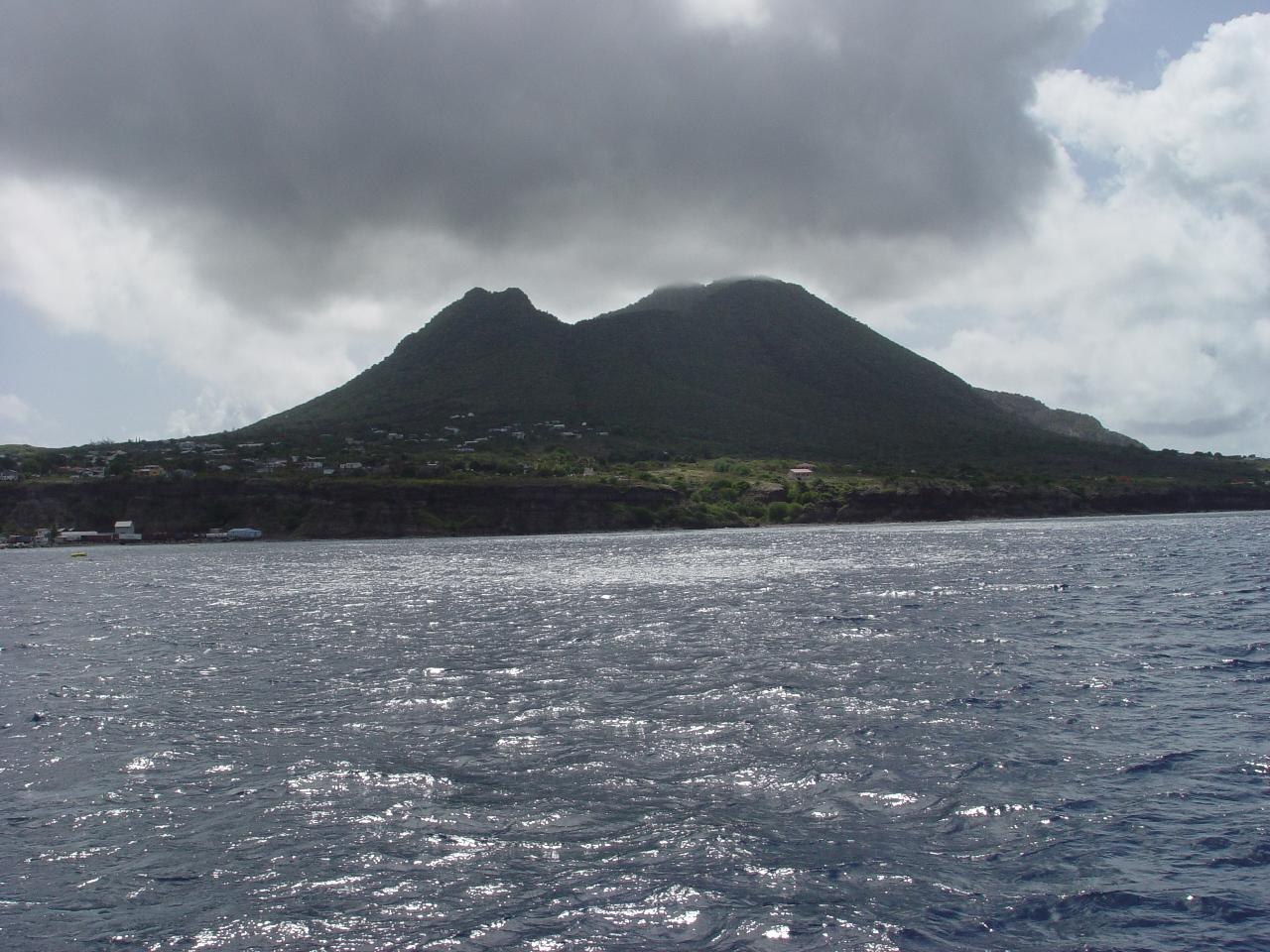
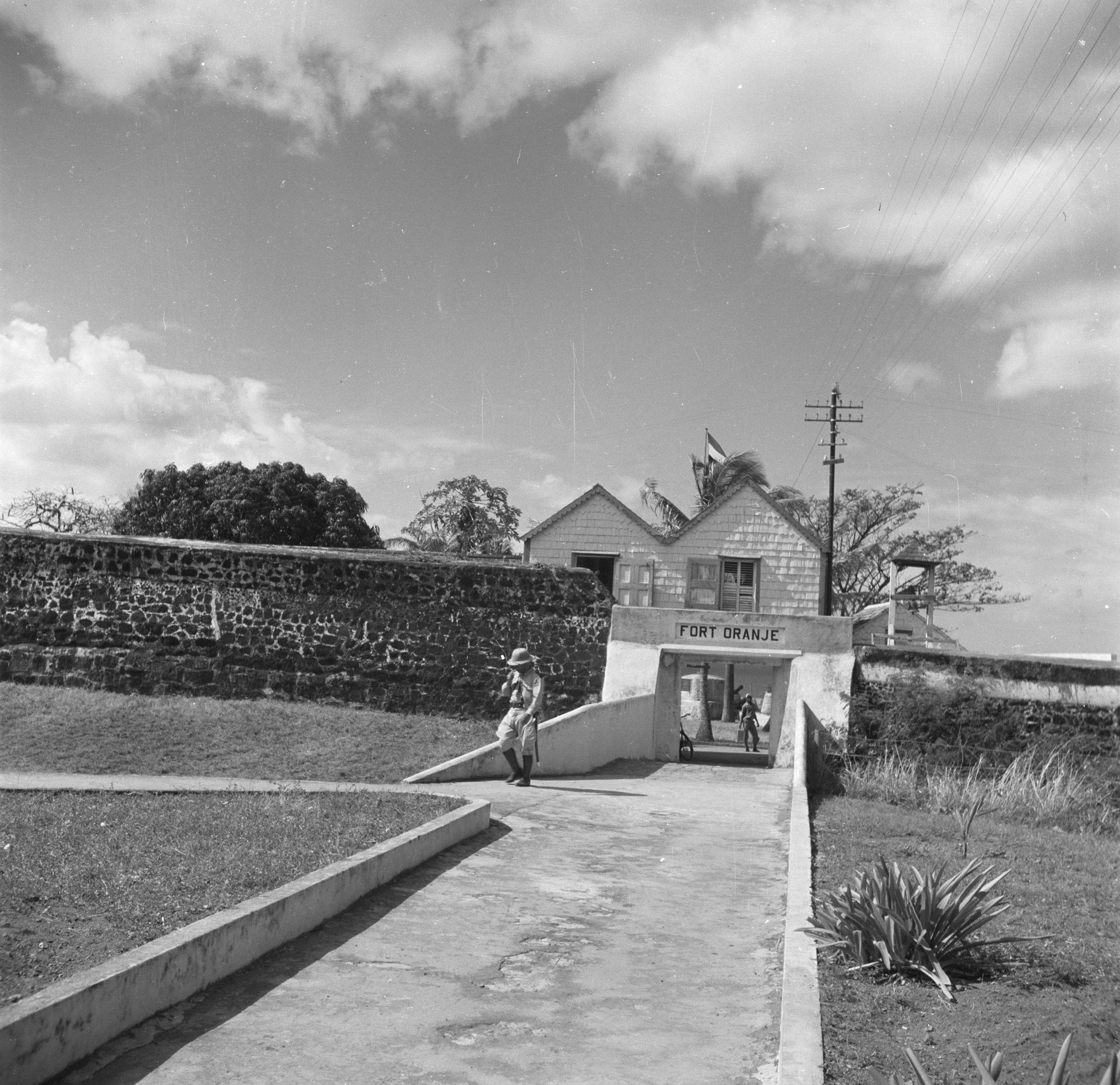
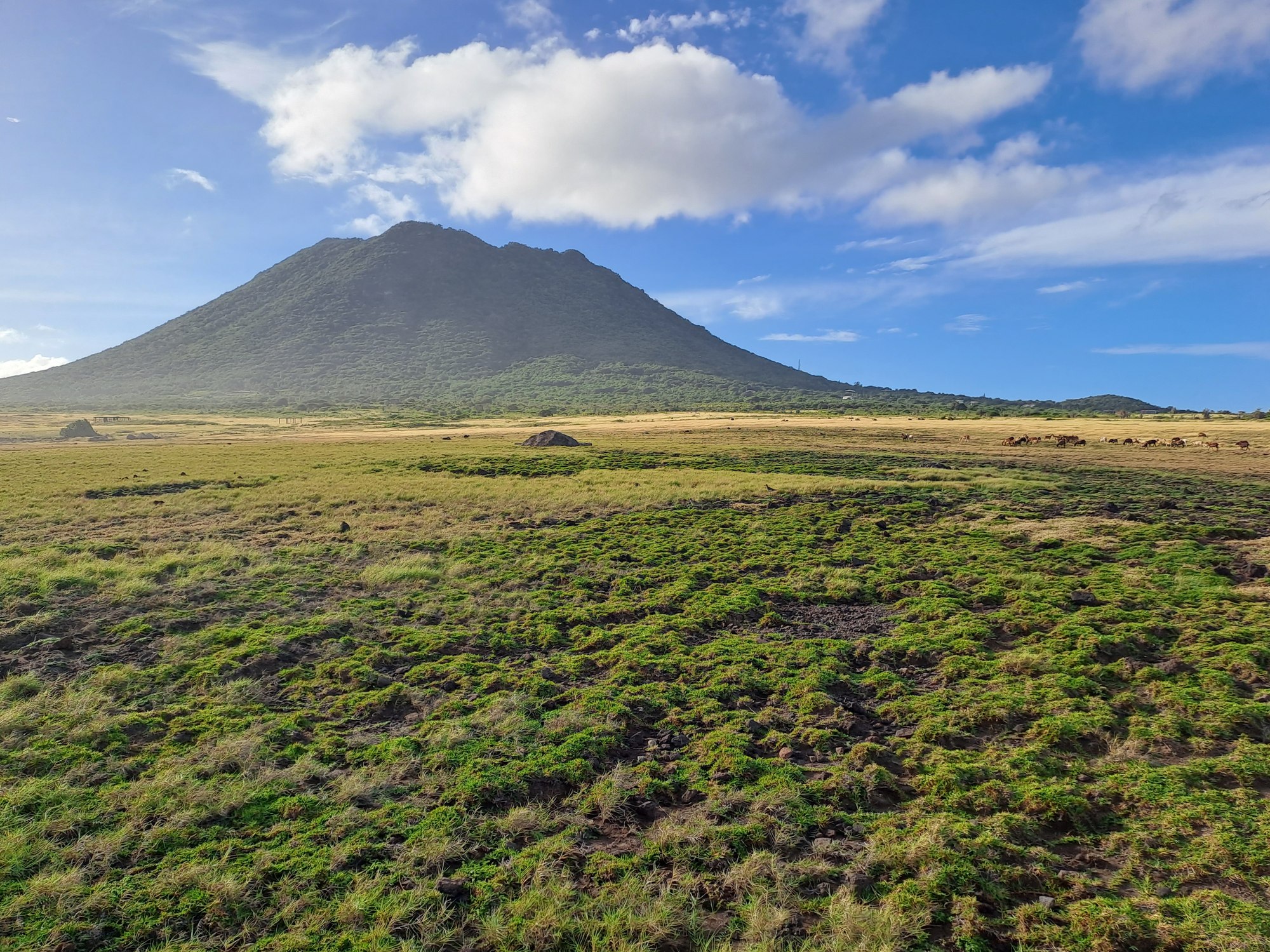
What to see on Sint Eustatius? The Quill, a dormant volcano whose forested crater rises over the southern half of the island; Fort Oranje, the 17th-century Dutch fort overlooking Oranjestad; and a coastline still yielding 18th-century shipwrecks and the famous blue trade beads that once served as slaves' wages.
Diving in Sint Eustatius
Statia's shoreline holds one of the highest concentrations of shipwrecks in the Caribbean relative to its size, a legacy of its 18th-century trading boom. The Sint Eustatius National Marine Park, managed by STENAPA since 1996, protects the entire coast out to about 30 meters and includes walls, patch reefs, lava flows and roughly seven wreck sites, among them the Charlie Brown, a former cable-laying ship long enough to count as two dive sites on its own.
The island's black volcanic sand beaches turn up blue glass trade beads that slaves once received as wages and threw into the sea when slavery was abolished in 1863, which is why one popular dive and snorkel site is simply called Blue Bead Hole. Diving here is quiet and uncrowded compared to its neighbors, with small operators running day boats out to walls, swim-throughs and the wrecks, and turtles a regular sight along the reef.
Country
Sint Eustatius, known locally as Statia, is a small Dutch Caribbean island in the Lesser Antilles, part of the Leeward Islands roughly midway between Saint Kitts and Saba. It covers just 21 square kilometers and is home to about 3,300 people, with Oranjestad as its capital. Dutch is the official language, though English is what people actually speak day to day, and the US dollar has been the currency since 2011, when Statia became a special municipality of the Netherlands.
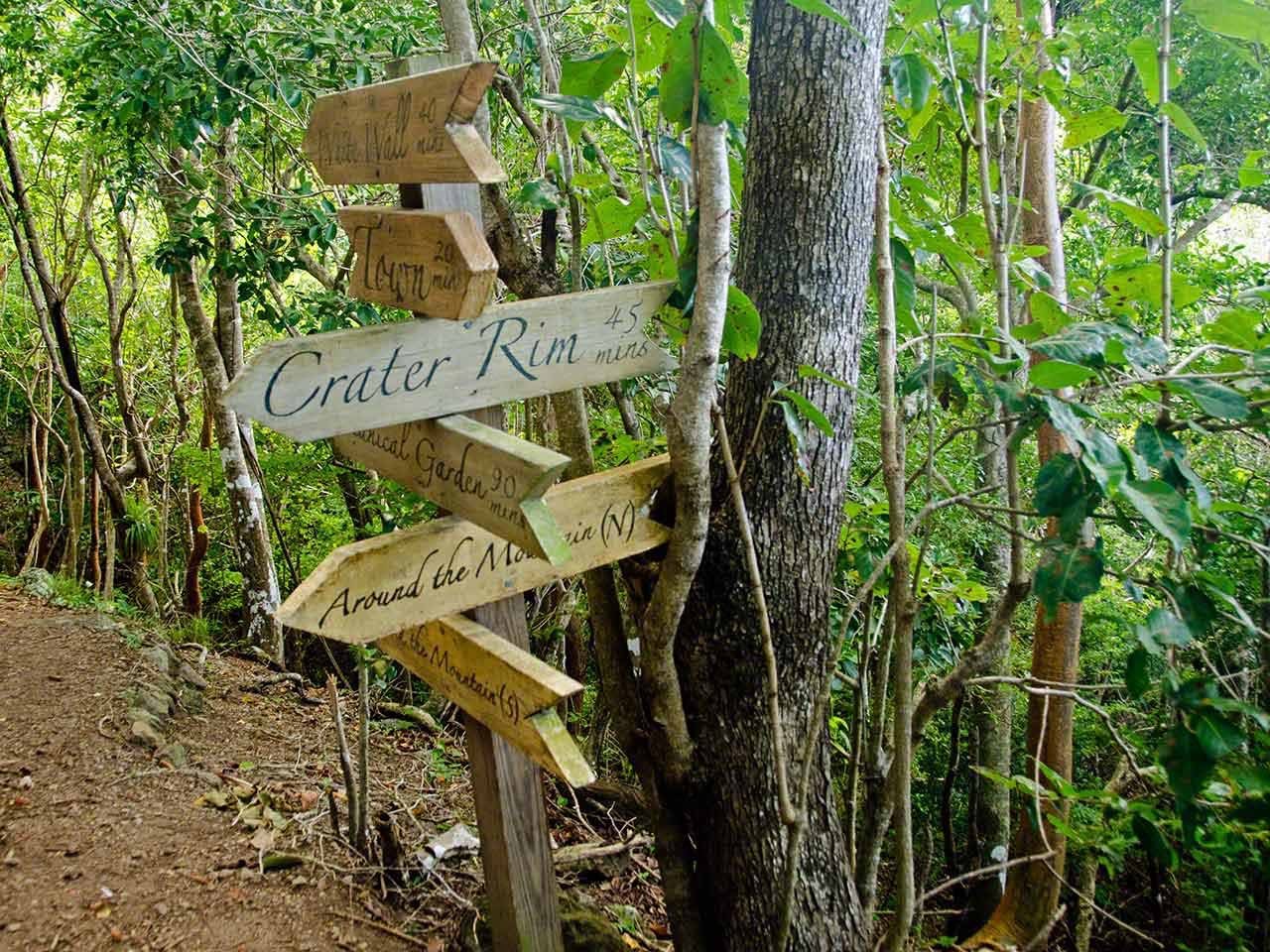
The island's defining feature is The Quill, a dormant stratovolcano rising 602 meters, its crater filled with rainforest that stands in sharp contrast to the dry, scrubby lowlands around it. Hiking trails wind up to the crater rim and down inside it. The climate is tropical, warm year round, with the main hurricane risk running from August through September.
In the 18th century Statia was known as the Golden Rock, a free port so busy with trade that it was the first foreign territory to salute the flag of the newly independent United States in 1776, a gesture that reportedly helped provoke a British attack a few years later. Oranjestad still carries that history in Fort Oranje and the ruins scattered along the waterfront, and STENAPA, the island's national parks foundation, manages both the Quill and the surrounding marine park.
Most biggest airports
F.D. Roosevelt Airport (EUX), Sint Eustatius — connects to Sint Maarten and other nearby islands; there is no direct intercontinental service, so most visitors transfer via Sint Maarten (SXM).