Dive Destinations
Verified dive centers and liveaboards across the world’s best waters — pick a country and start planning.
Saint Barthelemy
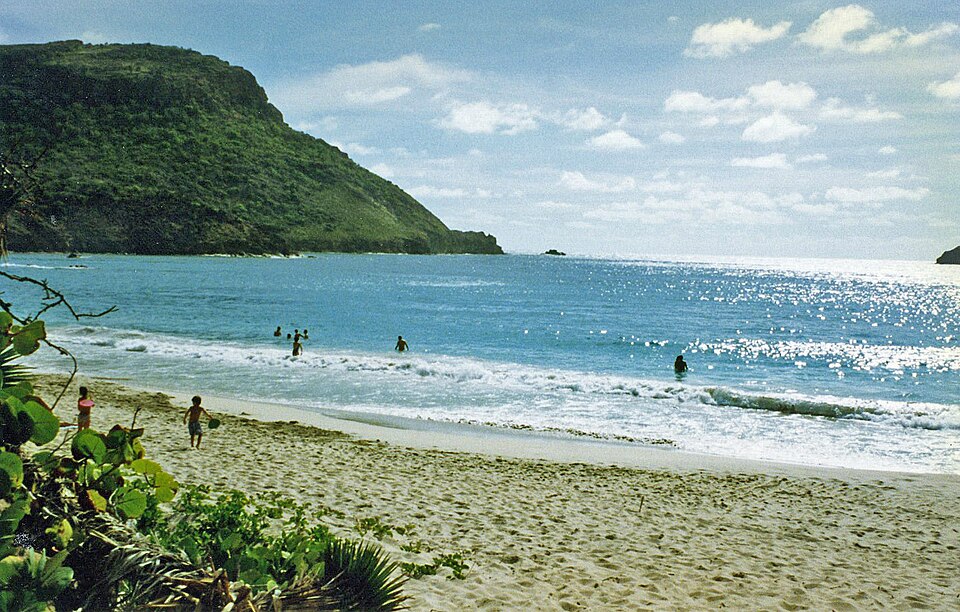
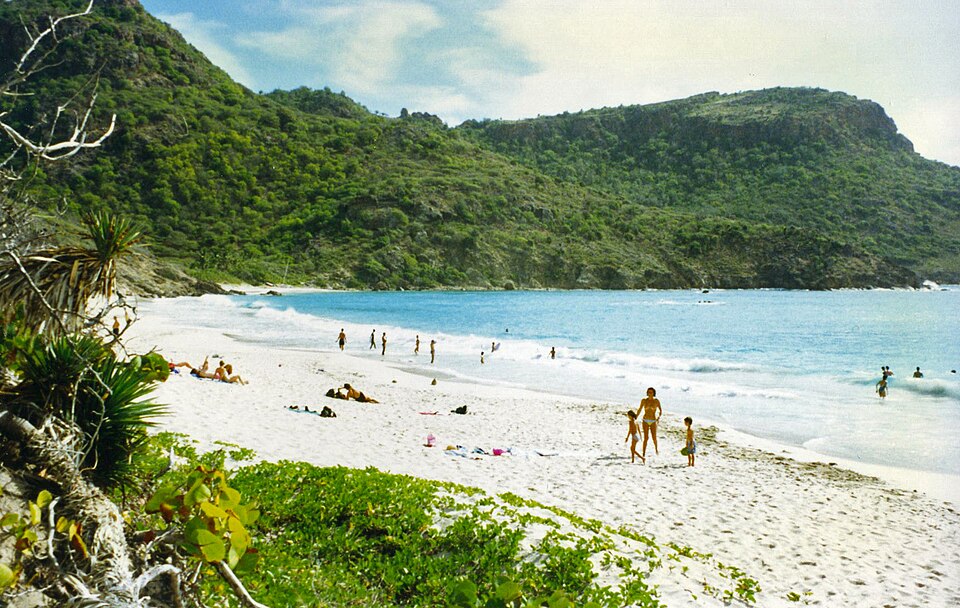
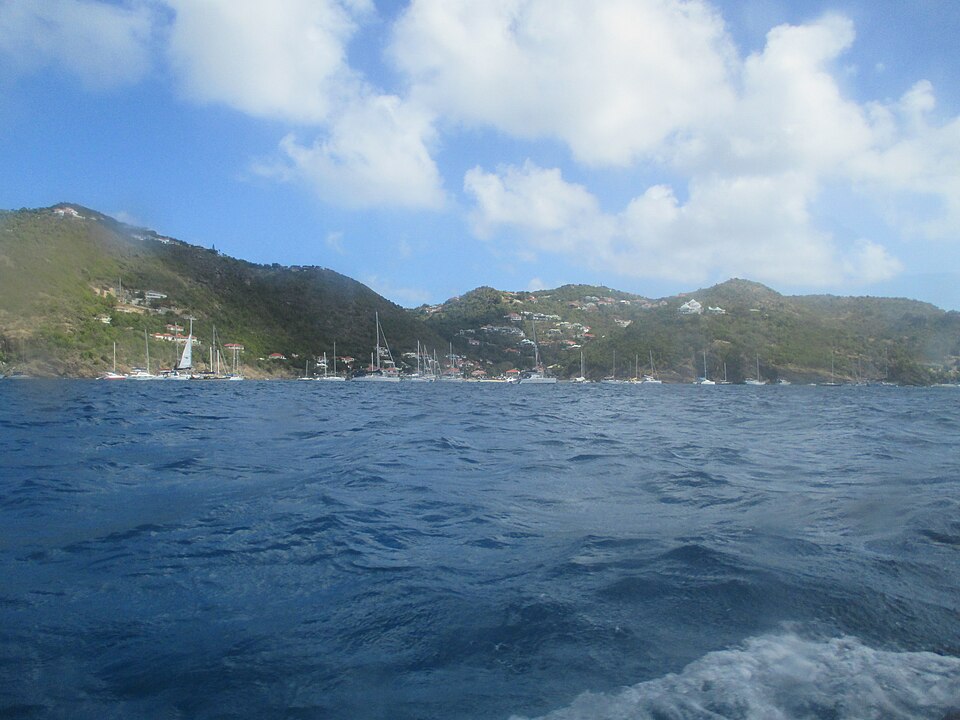
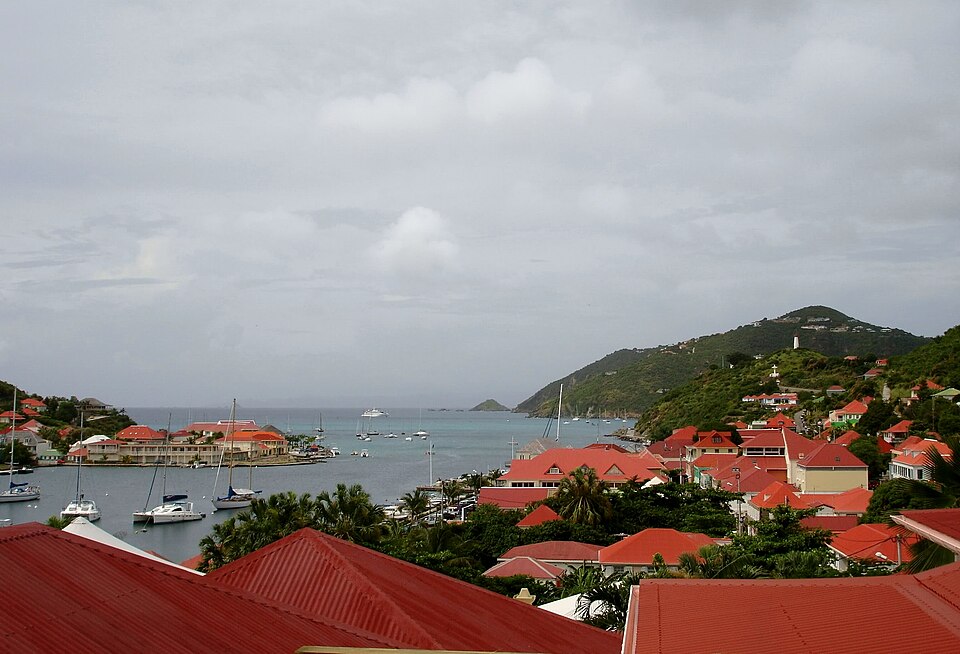
What to see in Saint Barthélemy? The harbor of Gustavia, still lined with an old Swedish fort; the reef-fringed bays of Colombier and Anse de Grande Saline inside the island’s Marine Nature Reserve; and the volcanic islet of Fourchue just offshore.
Diving in Saint Barthelemy
Most of St. Barts’ two dozen-plus dive sites lie inside the Marine Nature Reserve, created in 1996 to protect the island’s sea turtles and the humpback whales that pass through in season, and none of them are more than about 20 meters deep or ten minutes from shore. Anse de Colombier, on the island’s quiet north coast, has a coral-covered reef wall patrolled by turtles and large barracuda; Fourchue, a small volcanic islet just offshore, drops onto a seabed of garden eels and draws rays, barracuda and, occasionally, reef sharks.
The Gros Îlets, a scatter of rocky islets just outside Gustavia harbor, are the easiest sites to reach and popular for their clear water and abundant reef fish, making them a natural first stop for visiting divers before heading further out to the reserve’s more exposed sites.
Country
Saint Barthélemy, usually called St. Barts, is a small French overseas collectivity in the Caribbean, about 30 kilometers southeast of Saint Martin. It covers just 25 square kilometers, is dry and hilly rather than lush, and its highest point, Morne de Vitet, reaches only 286 meters. The population is around 10,700, the capital and main harbor is Gustavia, and French is the official language, alongside a local French patois and Antillean Creole.
As part of France, St. Barts uses the euro. The climate is arid tropical, warm year round at around 25°C, with a drier winter season from December to April and a wetter, hurricane-exposed summer from May to November. The island was first settled by French colonists and later sold to Sweden in 1784, which is where Gustavia gets its name and its old fort; France bought it back in 1878, and it has kept a noticeably tidier, more upmarket character than most of its Caribbean neighbors ever since.
Most biggest airports
Gustaf III Airport (SBH), one of the shorter commercial runways in the world, wedged between a hillside and the beach — served by small aircraft on short hops from St. Maarten and other nearby islands.