Dive Destinations
Verified dive centers and liveaboards across the world’s best waters — pick a country and start planning.
Martinique
What to see in Martinique? Mount Pelée, whose 1902 eruption destroyed the city of Saint-Pierre in minutes and left a bay full of sunken ships now protected as an underwater heritage site; the black-sand and white-sand beaches side by side at Les Anses-d'Arlet; and Diamond Rock, a solitary islet once commissioned as a British warship.
Diving in Martinique
The 1902 eruption that buried Saint-Pierre also sank around 394 vessels in its harbor, and archaeological surveys have identified at least a dozen wrecks still resting in the bay, of which about eight are diveable and protected as part of Martinique's underwater cultural heritage. Diving them means descending through a genuine time capsule: cargo, hulls and fittings from a port frozen at the moment of disaster, now colonized by coral and sponges.
Away from Saint-Pierre, the south coast offers calmer, more conventional Caribbean reef diving around Diamond Rock, a dramatic volcanic islet the British once garrisoned as a commissioned warship, and along the bays of Les Anses-d'Arlet, where clear, current-free water suits beginners and macro life is abundant. Sea turtles are a regular sighting close to shore, and the mix of one of the Caribbean's most unusual historical wreck sites with easy, sheltered reef diving elsewhere makes Martinique a destination for both wreck specialists and casual holiday divers.
Country
Martinique is a French overseas department in the Lesser Antilles, directly north of Saint Lucia, covering 1,128 square kilometers and home to about 350,000 people. Fort-de-France, on the west coast, is the capital and largest city. French is the sole official language, though most residents also speak Martinican Creole day to day, and as part of France, Martinique uses the euro.
The island's north is dominated by Mount Pelée, an active volcano rising to 1,397 meters, the highest point on the island. On 8 May 1902 it erupted with almost no warning, destroying the prosperous port city of Saint-Pierre in minutes and killing an estimated 28,000 people, one of the deadliest volcanic disasters of the 20th century; the capital was relocated to Fort-de-France afterward, and Saint-Pierre never fully recovered its former size. The climate is tropical, warm year round with a wetter season from June to November that overlaps with the Atlantic hurricane season.
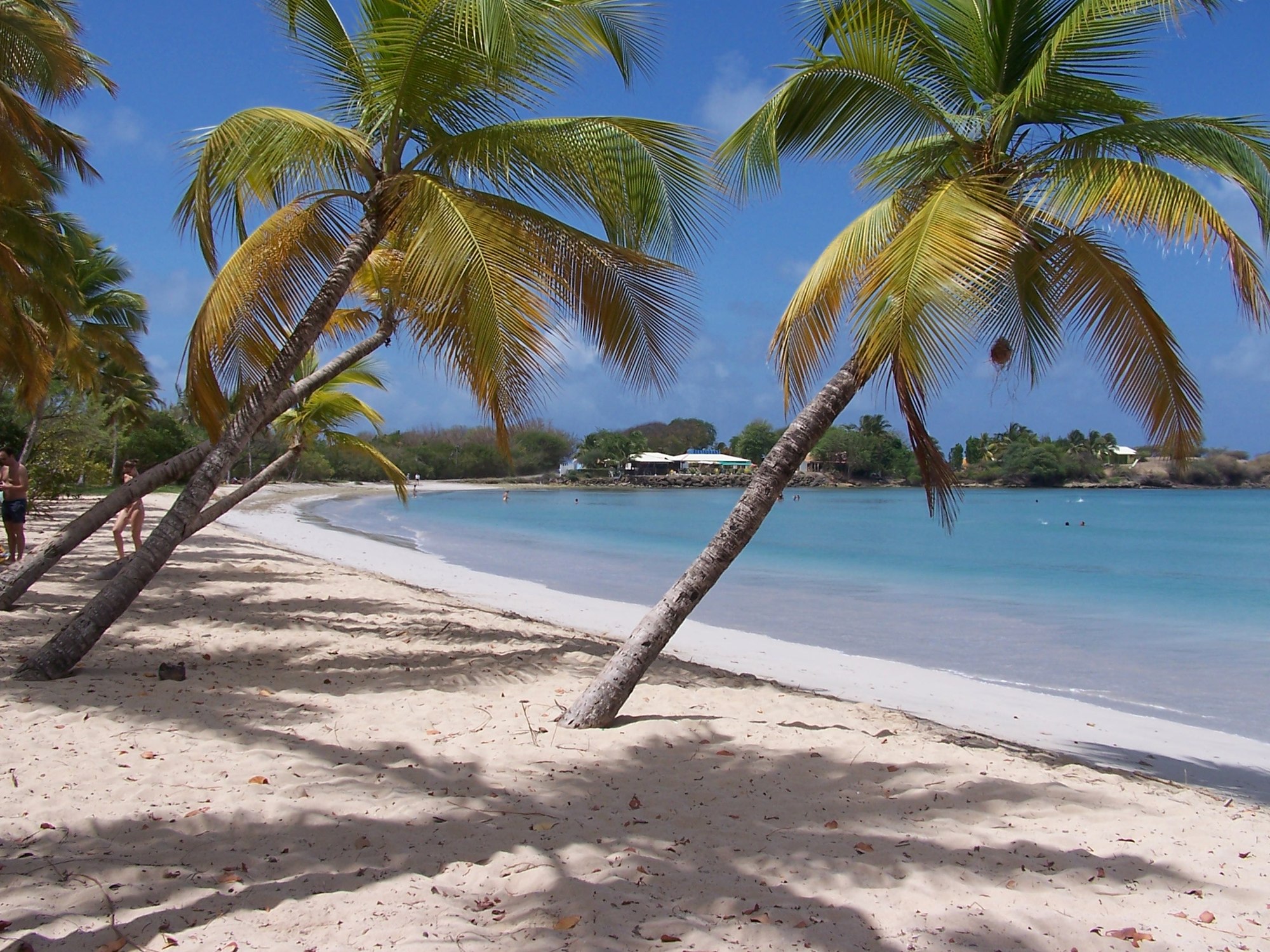
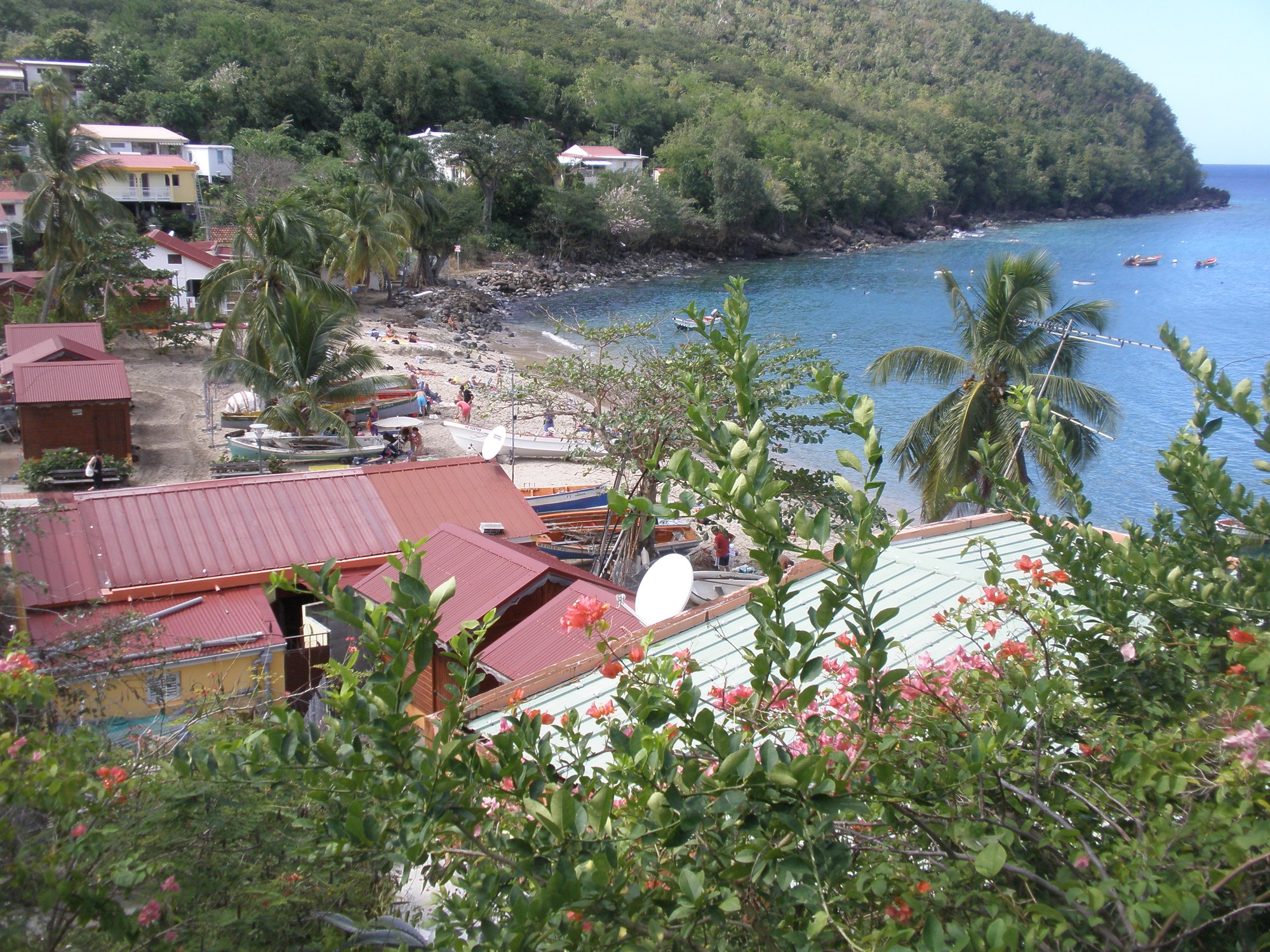
South of the volcano, the coastline turns into a string of sheltered bays and beaches, from the black volcanic sand at Anse Noire to the white sand and turquoise water at Les Salines and the Anses-d'Arlet villages, with the tourist infrastructure of a French department layered over a strongly Creole, Caribbean culture.
Most biggest airports
Martinique Aimé Césaire International Airport (FDF), Fort-de-France — the main airport, with direct flights from mainland France, the wider Caribbean and North America.