Dive Destinations
Verified dive centers and liveaboards across the world’s best waters — pick a country and start planning.
The Guadeloupe Islands
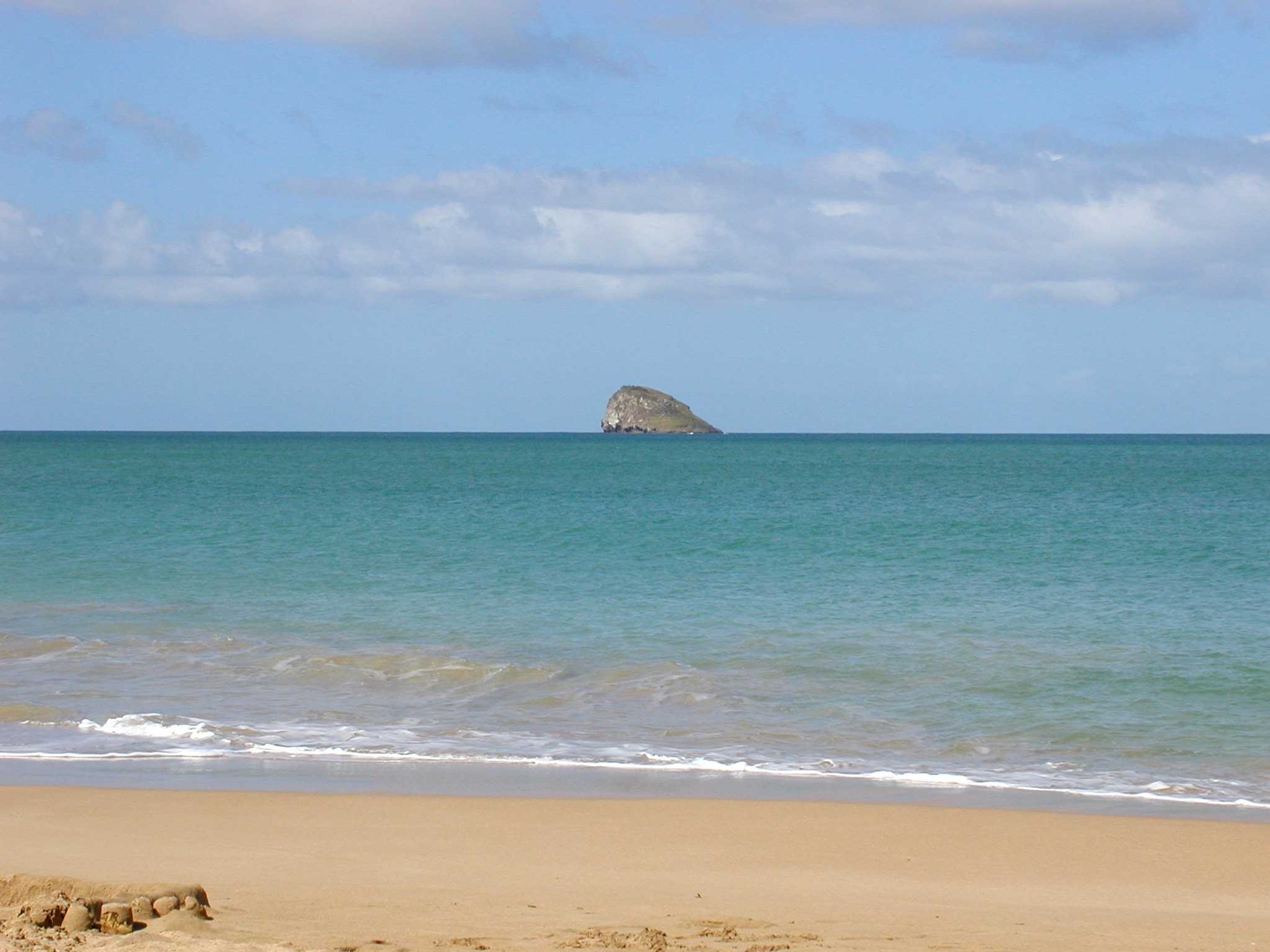
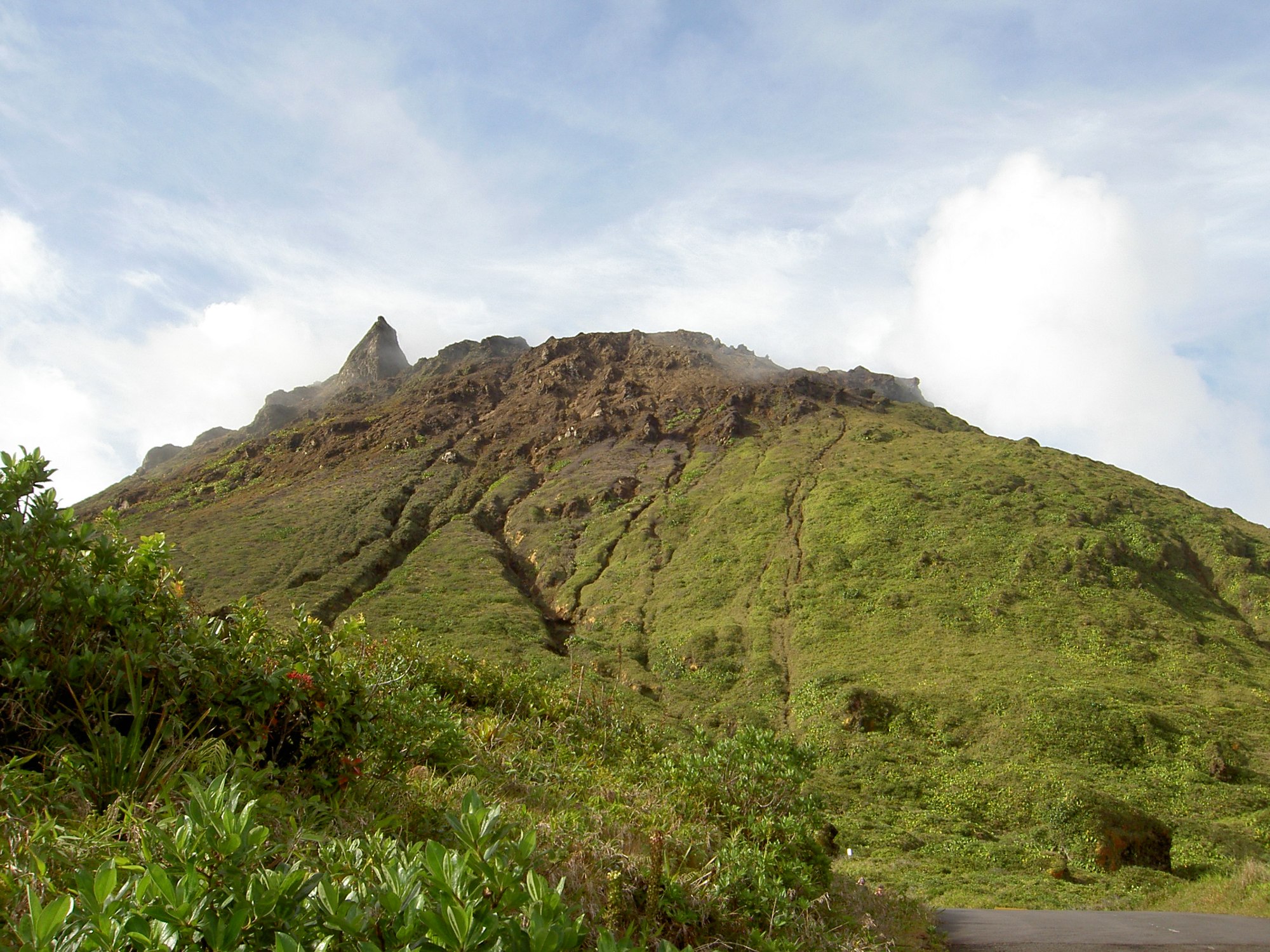
What to see in the Guadeloupe Islands? La Grande Soufrière, an active volcano and the highest point in the Lesser Antilles; the Cousteau Reserve at the Pigeon Islets, once named by Jacques Cousteau himself among the world's best dive sites; and the butterfly-shaped mainland of Basse-Terre and Grande-Terre joined by a narrow strait.
Diving in The Guadeloupe Islands
Guadeloupe's best-known diving is the Cousteau Reserve, a protected marine park around the Pigeon Islets off Basse-Terre's west coast that Jacques Cousteau publicly ranked among the ten best dive sites in the world. Visibility here can reach 30 meters, and the short 10-15 minute boat ride from Malendure Beach makes it easy to dive multiple times a day. Sites like the Coral Garden, L'Aquarium and Pointe Barracuda mix healthy hard and soft coral cover with black coral further down, plus resident sea turtles and a steady stream of reef fish.
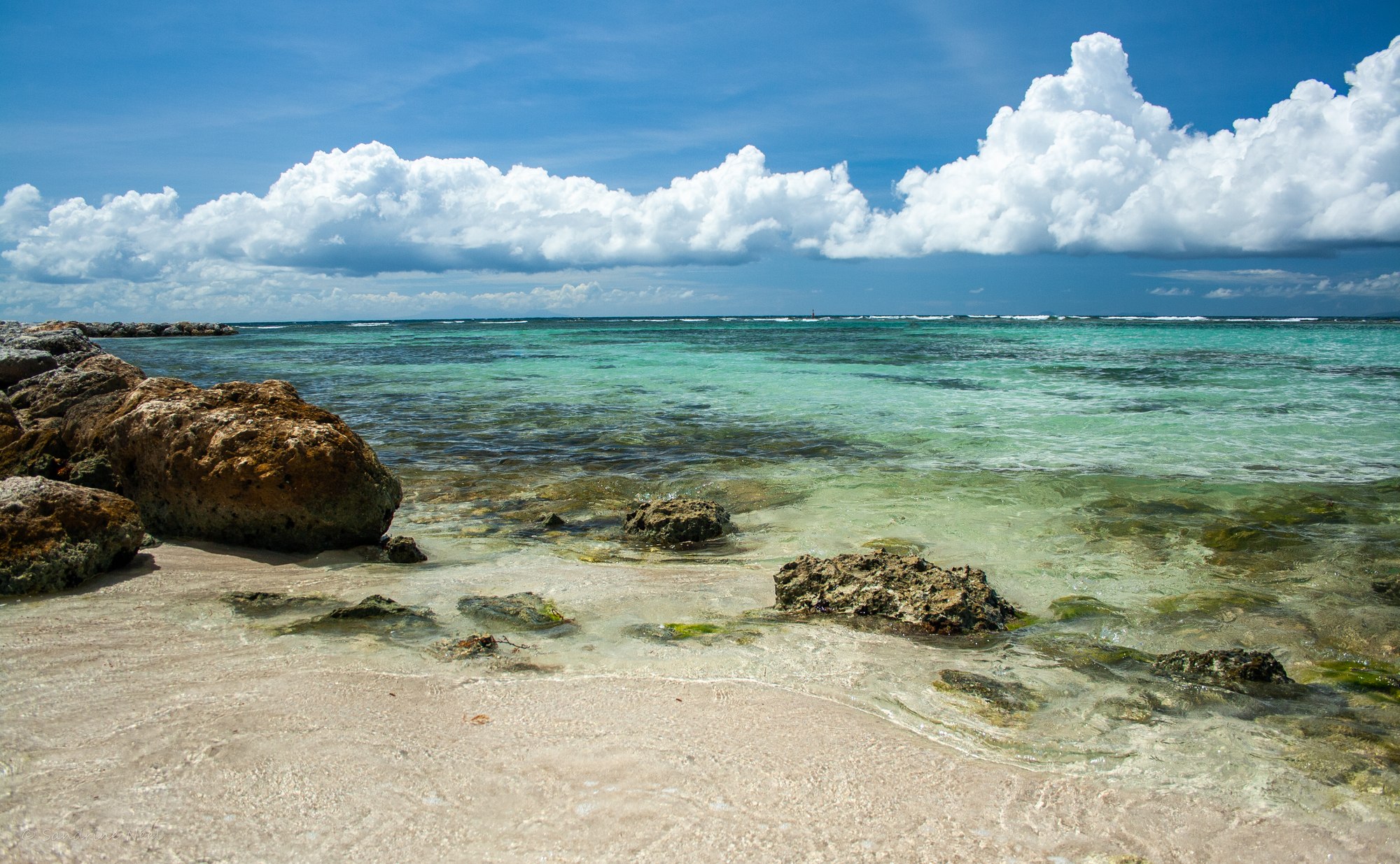
Beyond the reserve, Grande-Terre's southern coast and the smaller islands of Les Saintes and Marie-Galante offer calmer, shallower reef diving suited to beginners, with mangrove-fringed lagoons adding a different kind of dive entirely. The mix of an internationally famous flagship site and plenty of easy, uncrowded reef diving around it makes Guadeloupe a rare case of a French Caribbean destination built as much around diving as around its beaches.
Country
The Guadeloupe Islands are a French overseas department in the Lesser Antilles, made up of two main islands, mountainous Basse-Terre and flatter Grande-Terre, shaped like a butterfly and separated by the narrow Rivière Salée, plus the smaller dependencies of Marie-Galante, La Désirade and the two inhabited Îles des Saintes. The population is around 380,000, the administrative capital is Basse-Terre town while the largest city is Pointe-à-Pitre, and French is the official language, alongside Guadeloupean Creole spoken widely. As an overseas department of France, Guadeloupe uses the euro.
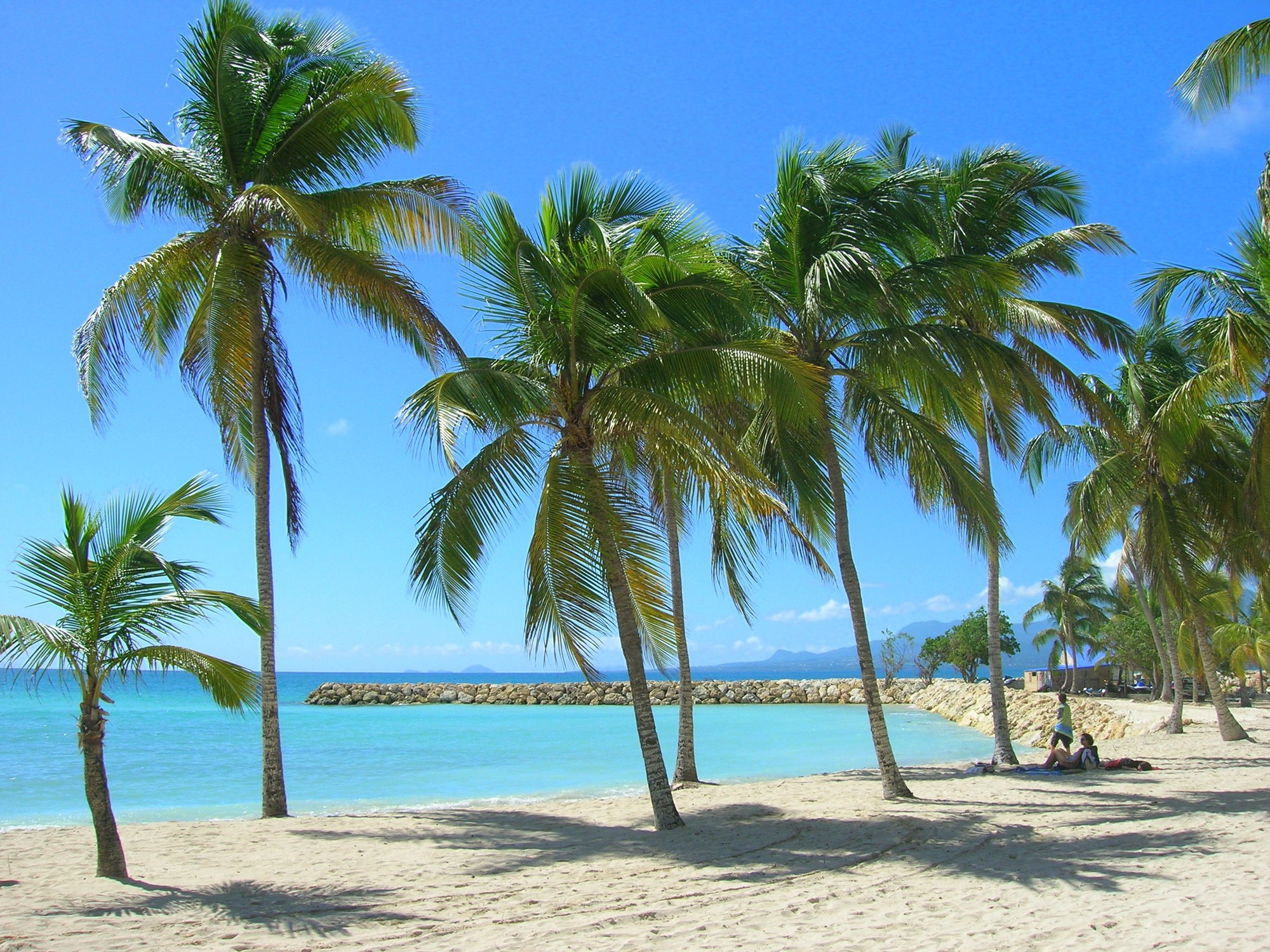
Basse-Terre is dominated by La Grande Soufrière, an active volcano rising to 1,467 meters, the highest peak in the Lesser Antilles, its slopes covered in rainforest and crossed by hiking trails up to the summit. Grande-Terre, by contrast, is low and dry, ringed with white sand beaches and coral reefs. The climate is tropical, tempered by the trade winds, with a drier season from January to June and a wetter one from July to December.
Columbus sighted the islands in 1493 and named them after a Spanish monastery; France took control in 1635 and Guadeloupe became a full overseas department in 1946, giving residents the same status as mainland French citizens. That French administration, cuisine and infrastructure sit alongside a strongly Caribbean, Creole culture in daily life.
Most biggest airports
Guadeloupe Pôle Caraïbe Airport (PTP), Pointe-à-Pitre — the main international gateway, with direct flights from mainland France, North America and elsewhere in the Caribbean.