Dive Destinations
Verified dive centers and liveaboards across the world’s best waters — pick a country and start planning.
Faroe Islands
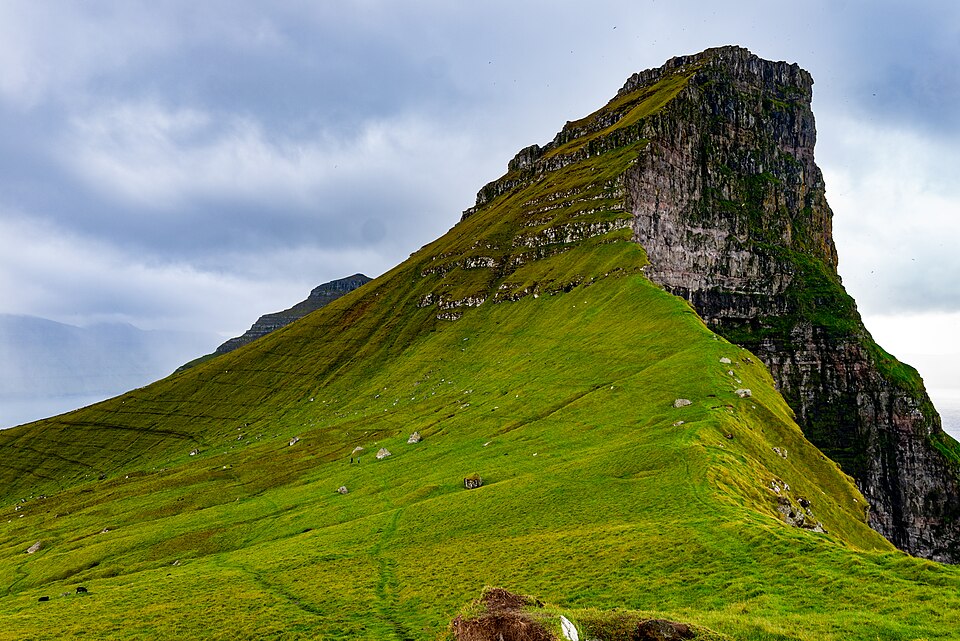
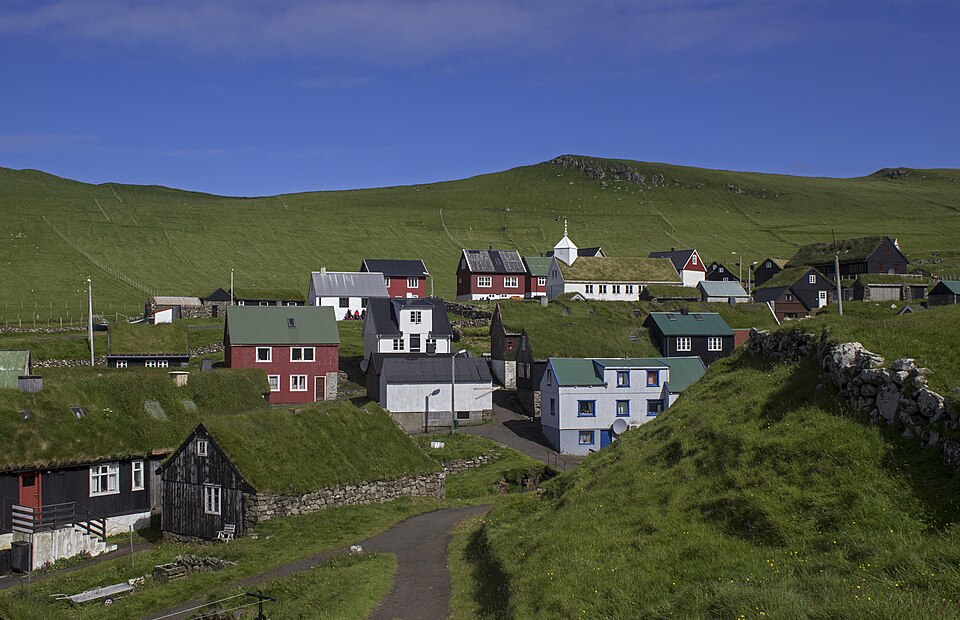
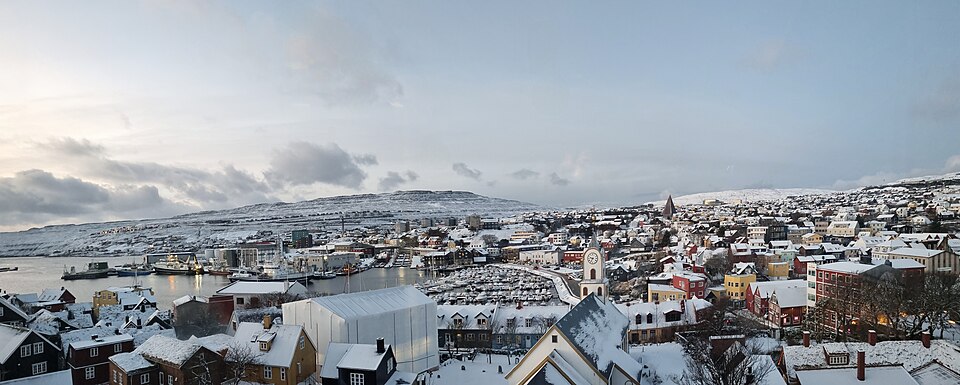
What to see in the Faroe Islands? The turf-roofed old town of Tórshavn; the sea cliffs and puffin colonies of Vestmanna and Mykines; Slættaratindur, the islands’ highest peak; and cold, exceptionally clear waters ideal for kelp-forest diving.
Diving in Faroe Islands
Diving here has nothing to do with coral. Instead it means swimming through swaying kelp forests, past towering basalt boulders and vertical-walled underwater gorges, in water that runs from about 4°C in winter to a still-cold 10°C in summer, with visibility up to 30 meters when conditions are calm. Sites such as Tjørnuvík, in 3 to 12 meters of water, and the small cave at Heljareygað near Hoyvík are accessible to less experienced divers, while the surrounding cliffs and skerries hide deeper drop-offs for those wanting more.
Marine life is built for cold water rather than color: seals haul out on the rocks and often join divers underwater, and the seabed is thick with sea urchins, starfish, crabs, lobsters, anemones and nudibranchs in surprisingly bright colors given the chill. It is a niche, specialist destination rather than a mainstream one, best suited to divers who already have a drysuit and want somewhere genuinely different.
Country
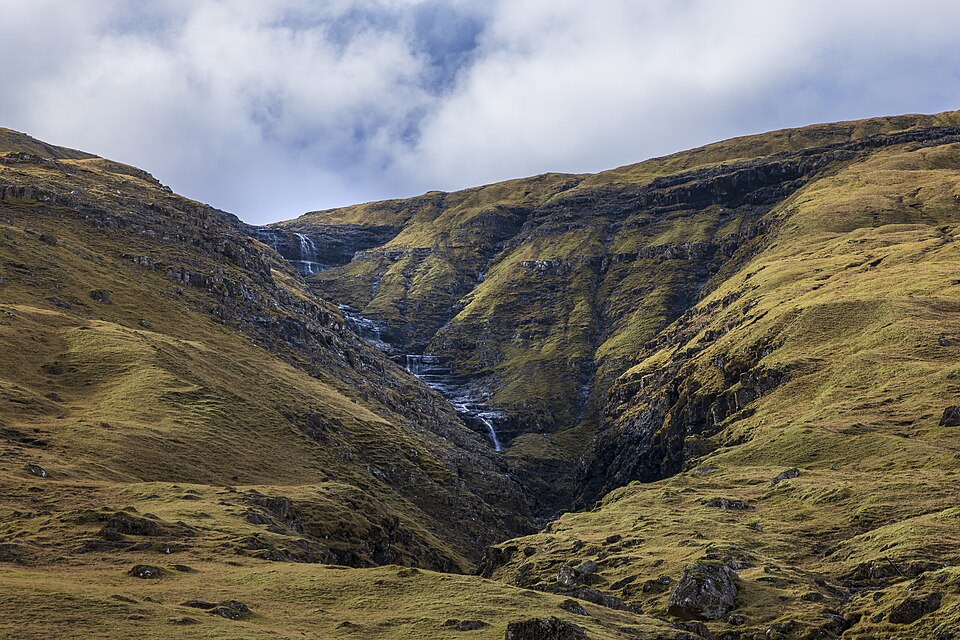
The Faroe Islands are a self-governing territory of Denmark in the North Atlantic, roughly midway between Iceland, Norway and Scotland. The archipelago has 18 main islands, plus hundreds of smaller islets and skerries, covering 1,393 square kilometers of dramatic, steep-sided terrain; the highest point, Slættaratindur, reaches 882 meters. The population is around 56,000, the capital is Tórshavn, and Faroese is the official language, with Danish widely spoken and taught.
The Danish krone is the currency in official use, alongside the Faroese króna, a local banknote pegged 1:1 to it. The climate is subpolar oceanic: cool, damp and windy year round, with winters around 3–4°C and summers rarely above 11°C, and cloud, rain or fog on most days. The islands sit outside the EU despite the link to Denmark and run their own trade and fisheries policy, which along with fishing remains the backbone of the economy alongside a fast-growing tourism sector.
Most biggest airports
Vágar Airport (FAE), on Vágar island and connected to Tórshavn by tunnel and road — the Faroe Islands’ only airport, built by British military engineers during the Second World War.