Dive Destinations
Verified dive centers and liveaboards across the world’s best waters — pick a country and start planning.
El Salvador
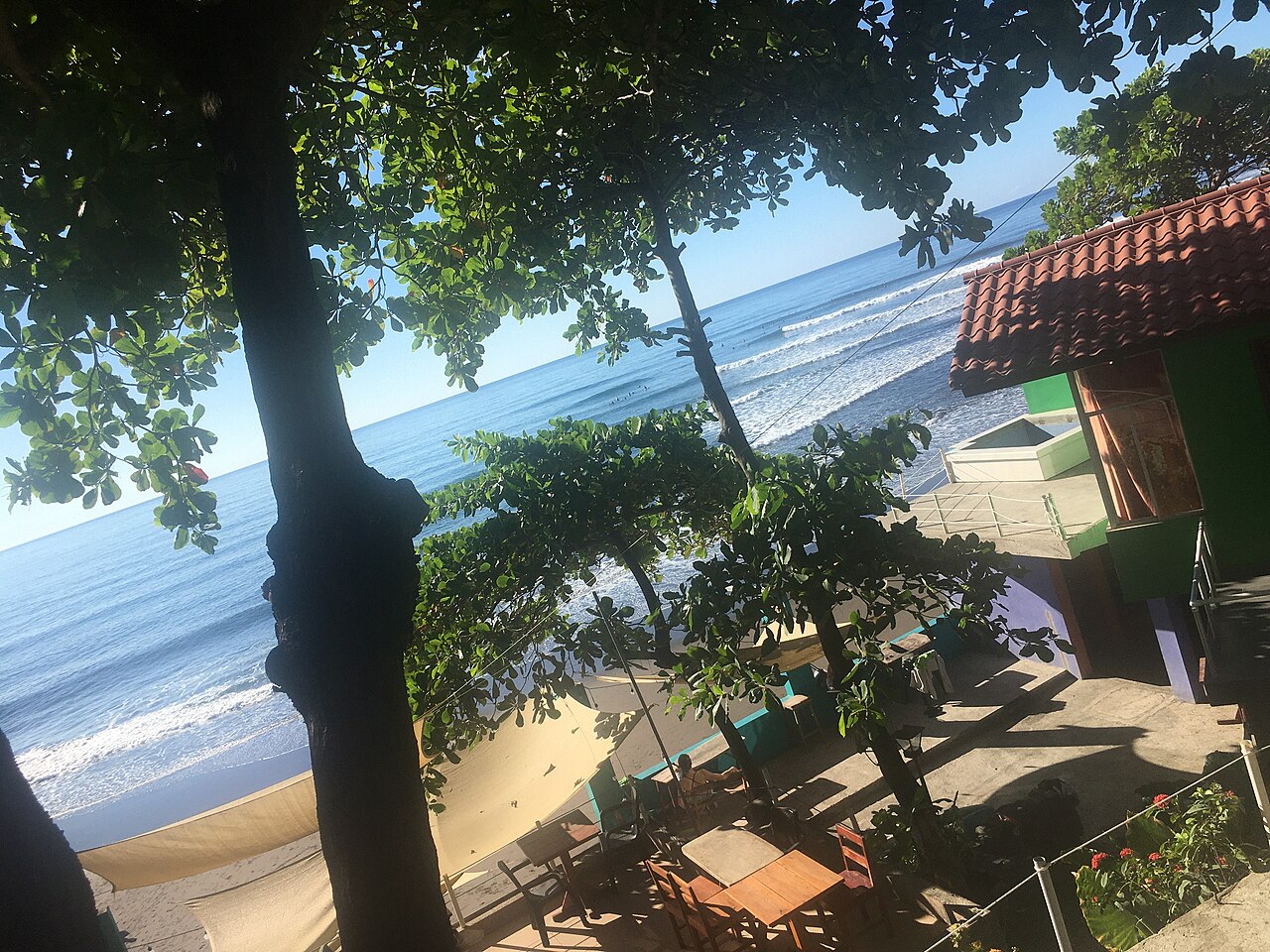
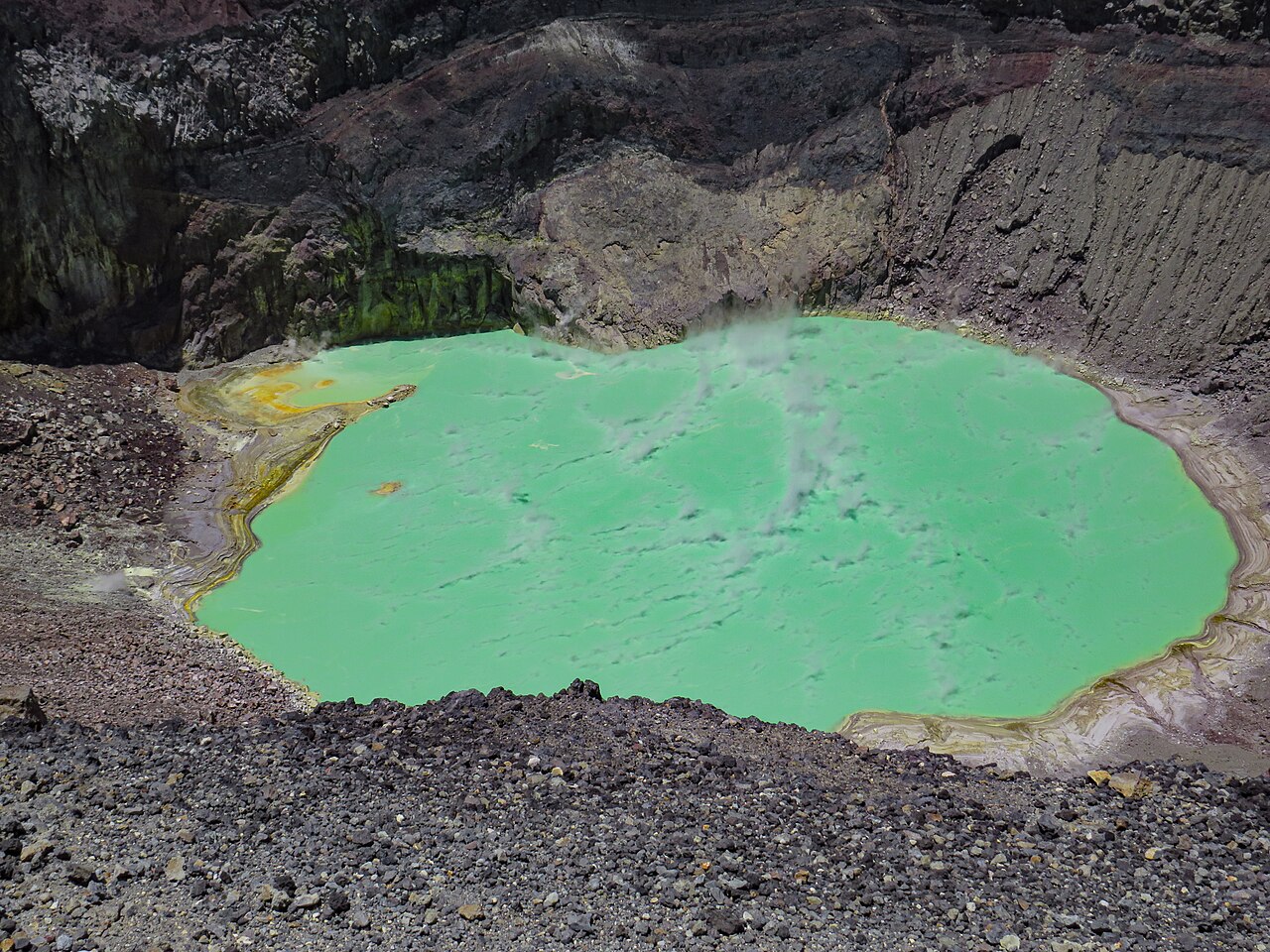
What to see in El Salvador? Los Cóbanos, the country’s largest living coral reef; the world-famous surf breaks of El Tunco and El Zonte; the Santa Ana and Izalco volcanoes; the colonial hill town of Suchitoto.
Diving in El Salvador
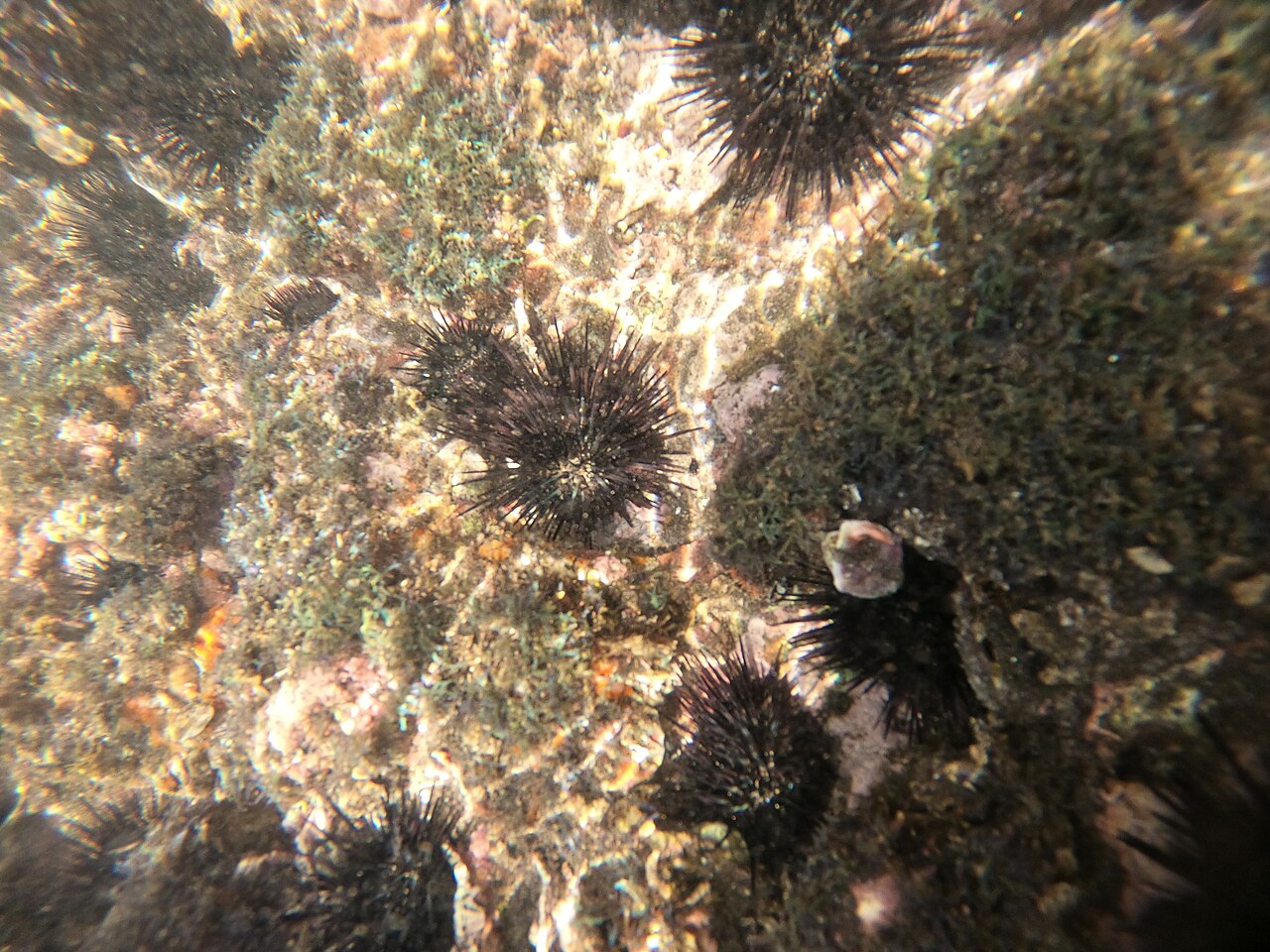
Diving in El Salvador is a small, young scene built almost entirely around one site: Los Cóbanos, on the central Pacific coast, home to the largest living coral reef in the country and part of a wider reef system that runs along the coast between Panama and Mexico. It sits inside a protected natural area, covering coral gardens, sponges and rocky outcrops that hold tropical reef fish, rays and occasional reef sharks.
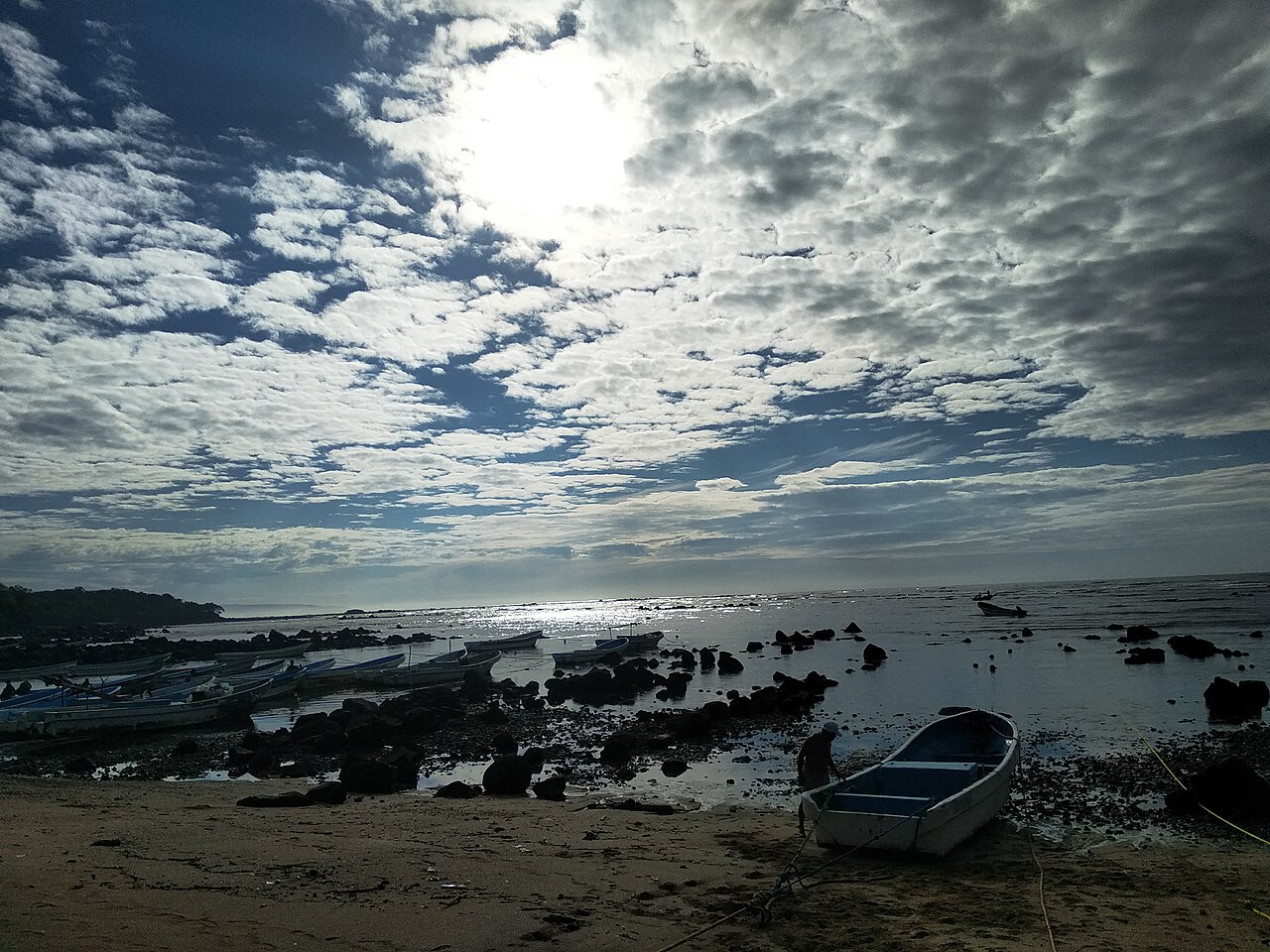
Sightings of manta rays, whale sharks and migrating humpback whales have all been reported around Los Cóbanos, though none are guaranteed on a given dive. The Pacific here is calmest and clearest from roughly November to May, which is the main diving season; a handful of small operators run trips out of Los Cóbanos and nearby La Libertad, and none operate directly from the beach, so trips need to be booked in advance. The coast is also an important nesting ground for sea turtles.
Country
El Salvador is the smallest and most densely populated country in Central America, with a coastline entirely on the Pacific Ocean and no Caribbean side. It borders Guatemala to the northwest and Honduras to the northeast, and its capital, San Salvador, anchors a metropolitan area of a few million people out of a national population of around six million. The official language is Spanish, and since 2001 the country has used the US dollar as its official currency, replacing the colón, which stopped circulating entirely.
The country sits squarely on Central America’s volcanic spine - part of the Pacific Ring of Fire - and volcanoes like Izalco and Santa Ana dominate the interior skyline. The climate is tropical, warm year round with a wet season from roughly May to October. El Salvador is better known internationally for its Pacific point breaks, El Tunco and El Zonte among them, which put it on the world surfing map long before diving did.
Most biggest airports
El Salvador International Airport (SAL), also known as Comalapa - the country’s main international gateway, serving San Salvador.