Dive Destinations
Verified dive centers and liveaboards across the world’s best waters — pick a country and start planning.
Curaçao
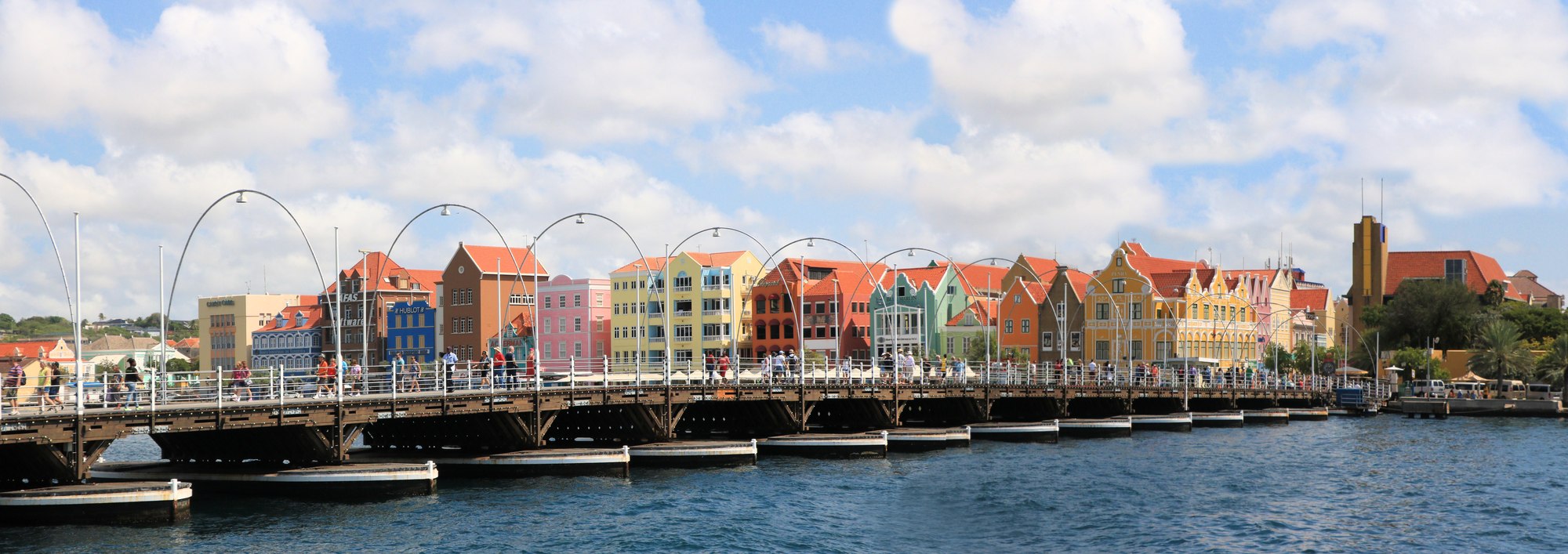
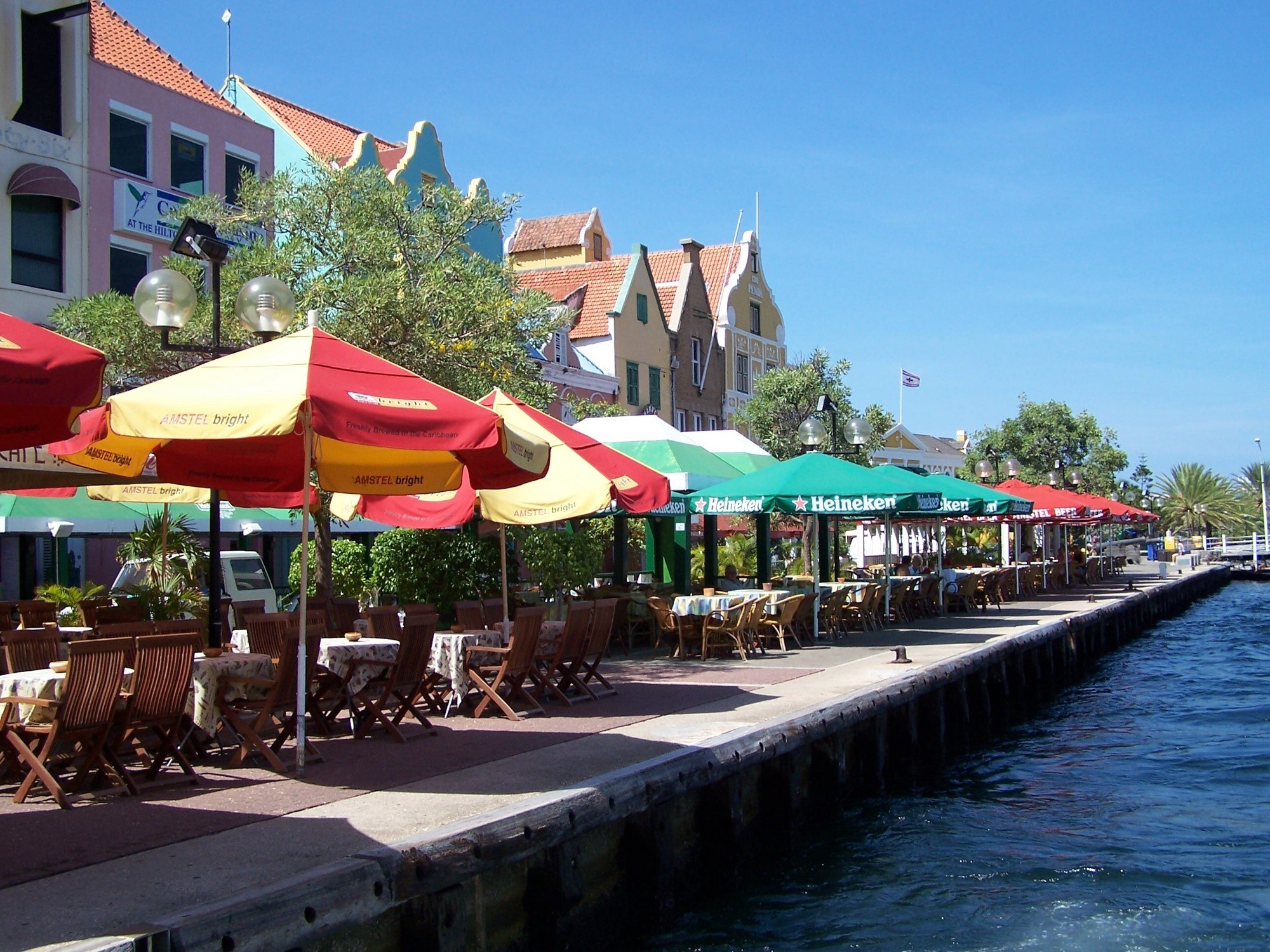
What to see in Curaçao? The pastel Dutch gable houses of Willemstad's Handelskade, a UNESCO World Heritage waterfront; the swinging Queen Emma pontoon bridge; and a coastline of more than 65 named dive sites reachable straight from shore, no boat required.
Diving in Curaçao
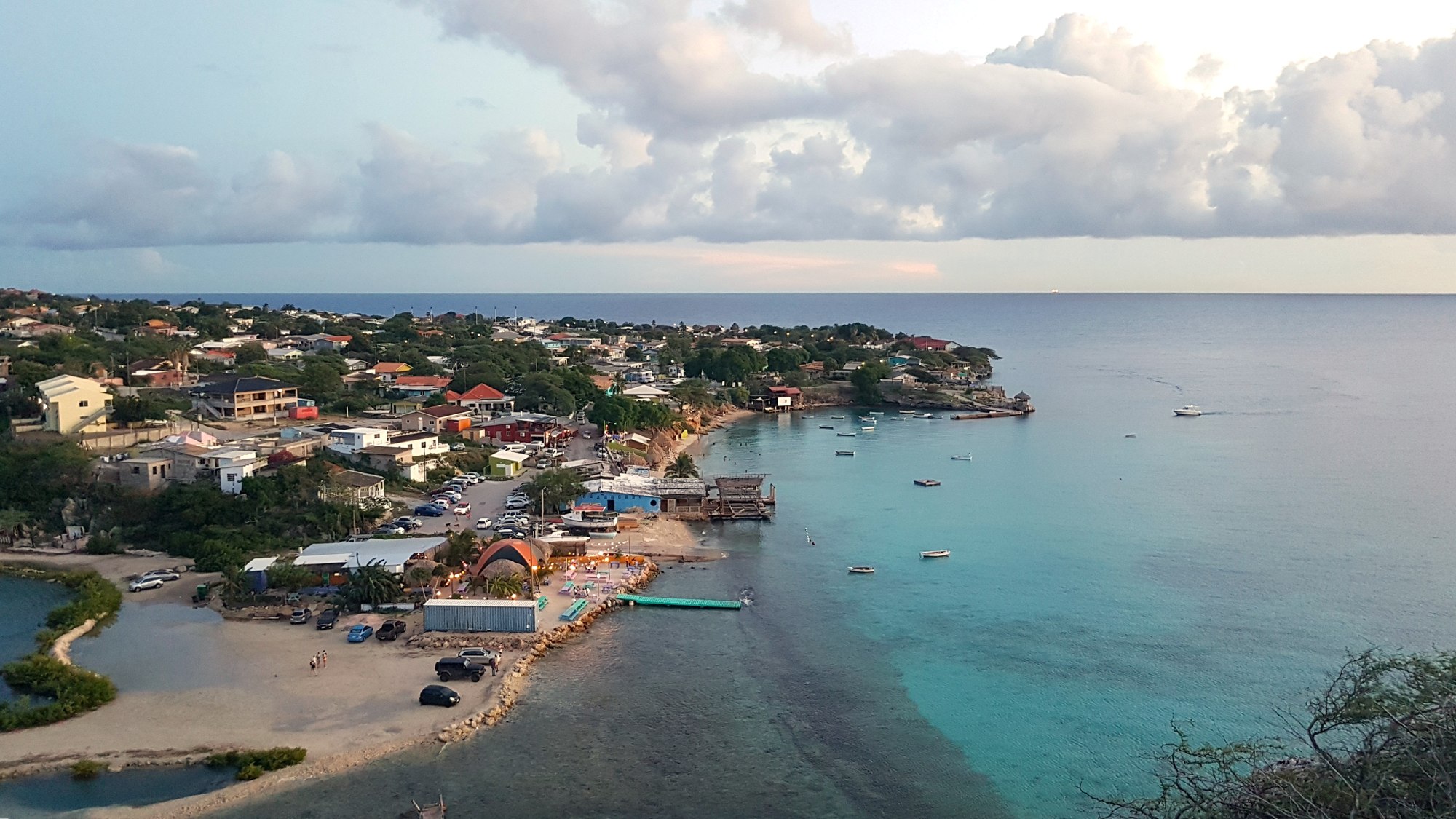
Curaçao is a shore-diving island in a way few Caribbean destinations are: more than 65 named sites are reachable by simply parking at the roadside and walking in, with the reef often starting just a few meters from the beach. The coast drops off quickly into a shallow reef terrace and then a wall, giving divers a mix of easy reef diving and deeper drop-offs within the same short swim.
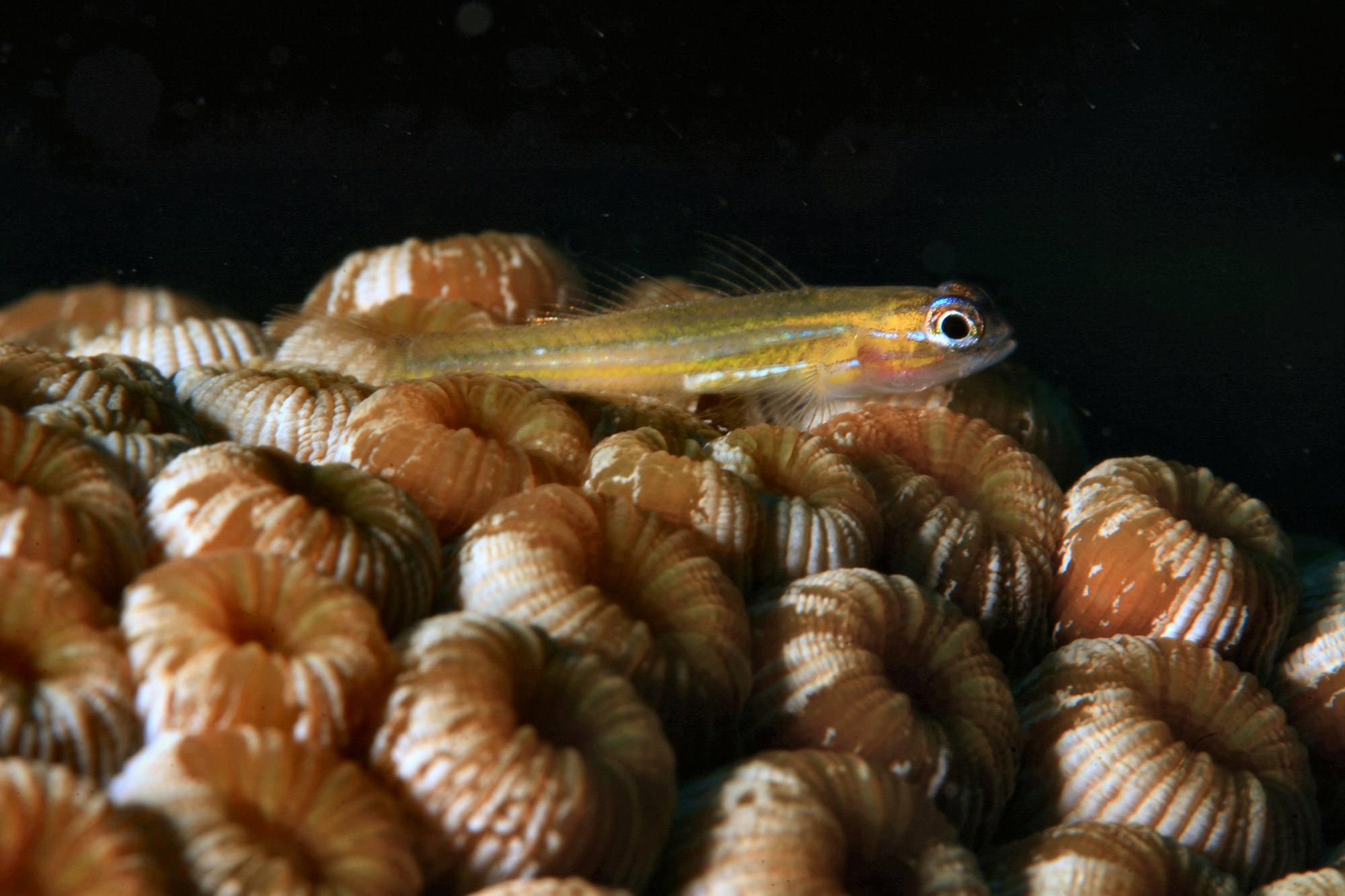
The Superior Producer, a cargo ship that sank in 1977 just outside Willemstad harbor, sits upright at around 30 meters and is one of the best-preserved wrecks in the region, its hull now covered in orange cup corals and patrolled by schools of snapper. On the quieter northwest coast, Mushroom Forest is known for hard corals that have grown and eroded into wide mushroom-shaped heads, and right next to it the Blue Room is a snorkel-only sea cave where sunlight bouncing off the white sand floor floods the chamber in an electric blue glow. Seahorses, tarpon and a healthy population of reef fish round out a destination built for repeat, unhurried diving rather than one big signature dive.
Country
Curaçao is the largest of the ABC islands, lying in the southern Caribbean about 65 kilometers north of Venezuela, outside the hurricane belt. It covers 444 square kilometers and is home to around 156,000 people, with Willemstad as its capital, a city whose historic center and colorful waterfront were named a UNESCO World Heritage Site in 1997. Papiamentu, Dutch and English are all in everyday use, reflecting the island's mixed Dutch, African and Latin American heritage.
The island became an autonomous country within the Kingdom of the Netherlands in 2010, after the Netherlands Antilles dissolved. Since July 2025 its currency has been the Caribbean guilder, which replaced the Netherlands Antillean guilder at par; older references to the guilder still apply in practice, just under a new name. The climate is hot and semi-arid, with a short rainy season from October to December and only around 450 millimeters of rain a year, which keeps the island's interior scrubby and cactus-studded rather than lush.
Willemstad's Handelskade is the postcard image of the island: tall, brightly painted Dutch gabled buildings lining a narrow harbor entrance, crossed by the pedestrian Queen Emma pontoon bridge, which swings open to let ships pass. Away from the capital, the island's rugged north and west coasts are dotted with hidden coves and inlets, locally called boka, that shelter some of the calmest swimming and snorkeling water on the island.
Most biggest airports
Curaçao International Airport (CUR), also known as Hato International Airport — the island's only airport, with direct flights from Europe, North and South America and the wider Caribbean.