Dive Destinations
Verified dive centers and liveaboards across the world’s best waters — pick a country and start planning.
Caribbean Netherlands
What to see in the Caribbean Netherlands? Bonaire's shore-diving capital status, with more than 80 marked dive sites accessible straight off the beach; Saba's Mount Scenery, the highest point in the entire Kingdom of the Netherlands; and two of the oldest, best-protected marine parks in the Caribbean.
Diving in Caribbean Netherlands
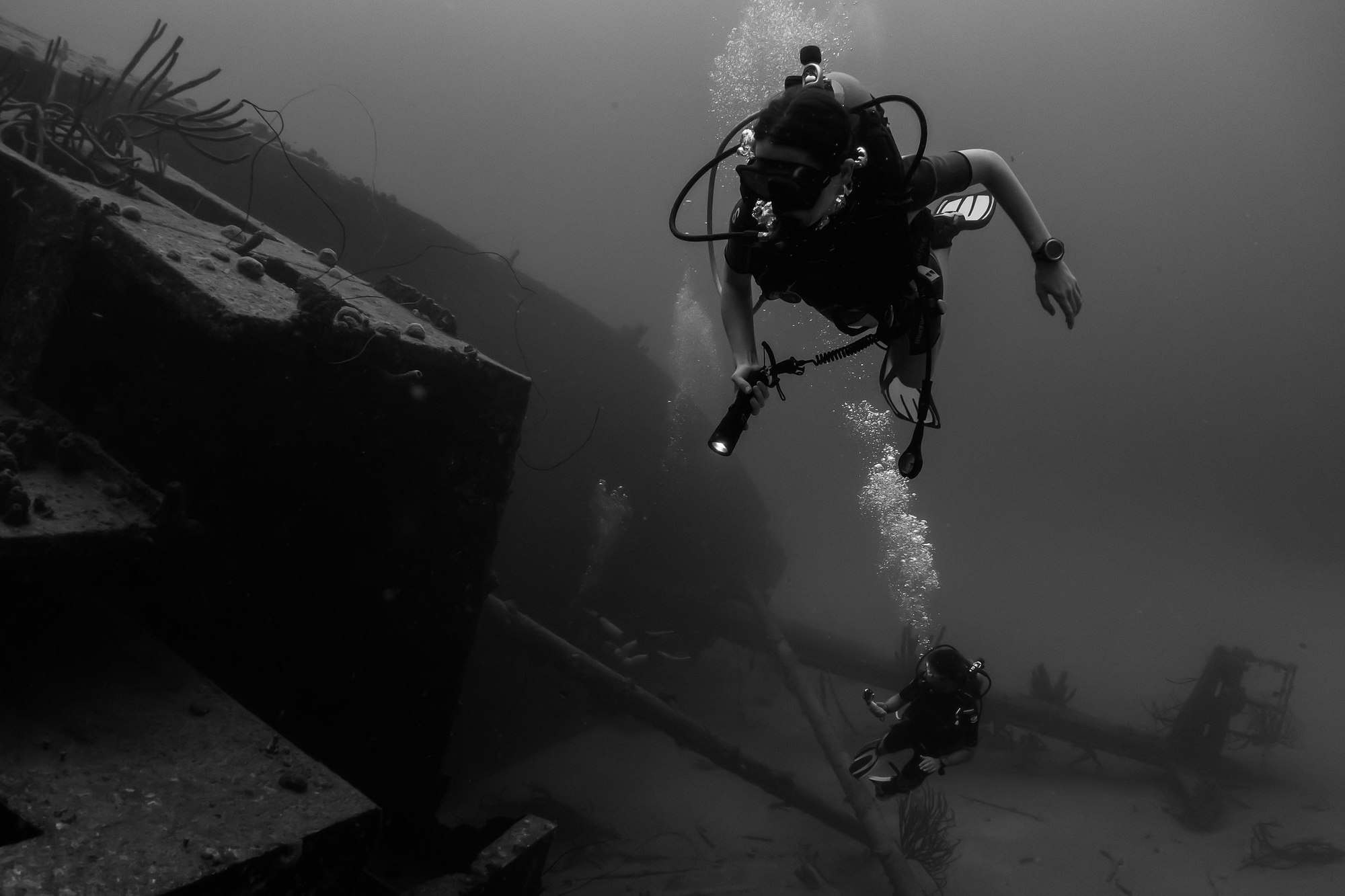
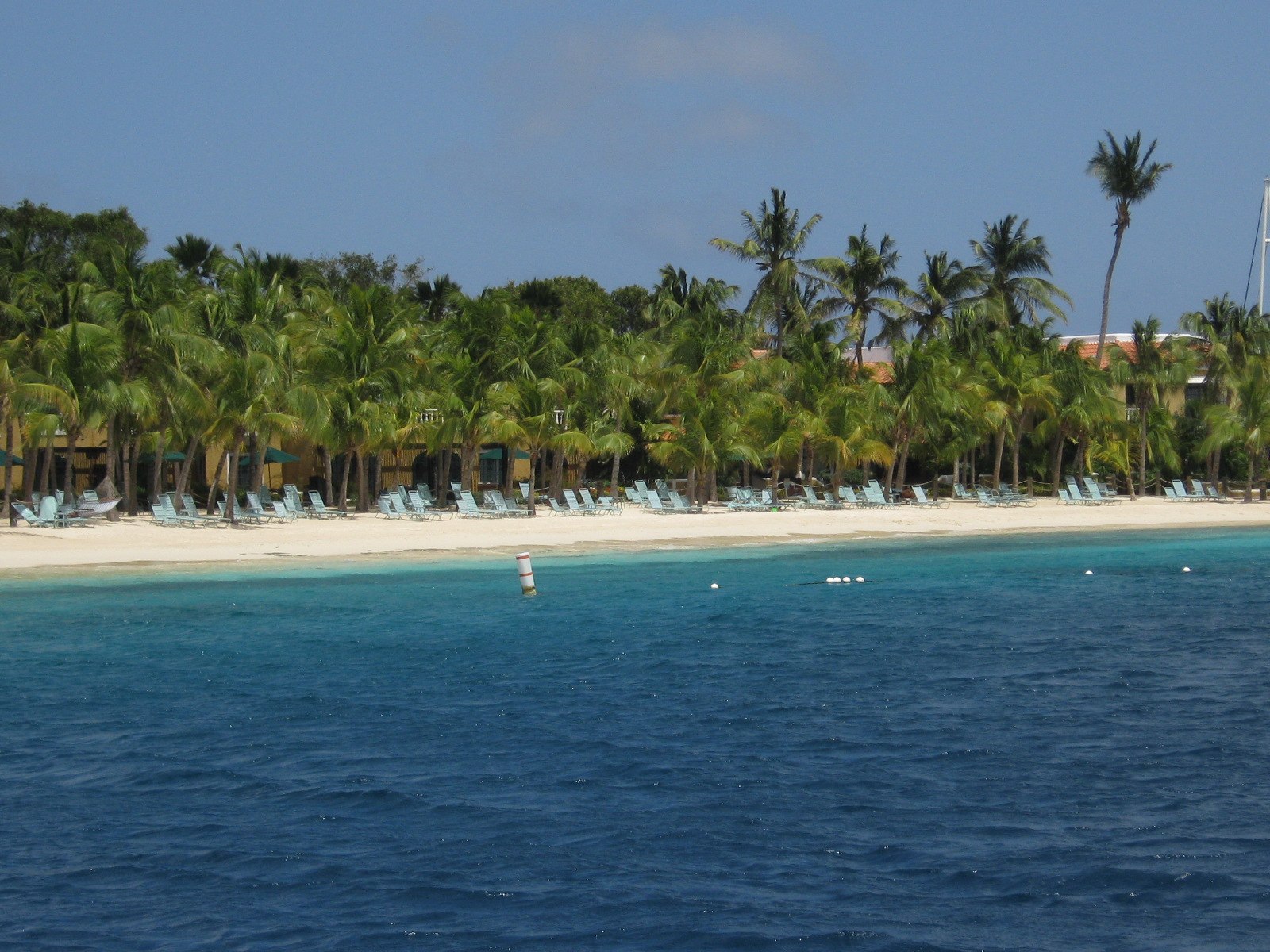
Bonaire is widely considered the shore-diving capital of the world: the Bonaire National Marine Park, established in 1979 and one of the oldest in the Caribbean, protects the entire coastline, and around 54 of its roughly 86 named dive sites are reached simply by parking a truck at a yellow roadside stone and walking into the water. The reef starts close to shore and slopes gently before dropping into deeper water, ideal for long, unhurried dives and repeat visits to the same sites at different times of day. The Hilma Hooker, a suspected drug-running freighter that sank in 1984, lies intact on a sand flat between two reefs and is one of the most photographed wrecks in the Caribbean.
Saba, by contrast, is all boat diving, built around volcanic pinnacles that rise from deep water just offshore. The Saba Marine Park, created in 1987, protects more than 30 sites, and Third Encounter, a horseshoe-shaped seamount capped by the needle-like Eye of the Needle spire, is considered one of the best dive sites in the entire Caribbean, regularly producing shark and large pelagic encounters. Between Bonaire's gentle shore reefs and Saba's dramatic pinnacles, the Caribbean Netherlands covers two very different ends of the diving spectrum under a single flag.
Country
The Caribbean Netherlands is the collective name for Bonaire, Sint Eustatius and Saba, three special municipalities of the Netherlands that are not part of any larger country but report directly to the Dutch government. Bonaire, the largest and by far the most visited for diving, lies in the Leeward Antilles near Venezuela and is home to about 25,000 people; Saba, a steep volcanic cone in the Lesser Antilles further north, has around 2,000. Dutch is the official language across the islands, but Papiamentu is what most people speak on Bonaire and English dominates on Saba.
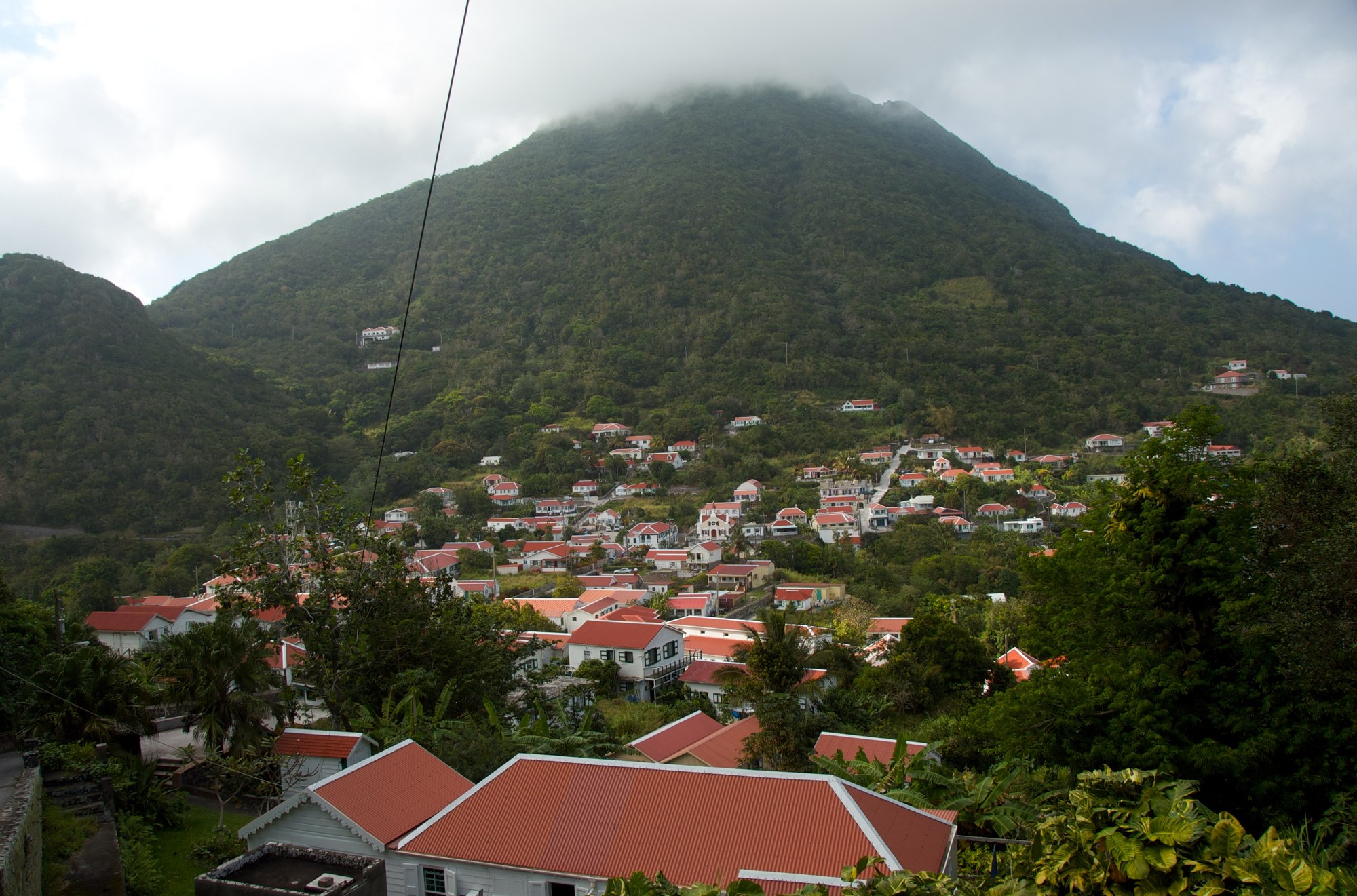
All three islands adopted the US dollar as their currency in 2011, when the former Netherlands Antilles was dissolved, breaking from the guilder used elsewhere in the Dutch Caribbean. The climate is tropical and warm year round, with Bonaire notably dry and cactus-covered while Saba's high volcanic peak, Mount Scenery, catches enough cloud and rain to support a genuine rainforest at 870 meters, the highest point anywhere in the Kingdom of the Netherlands.
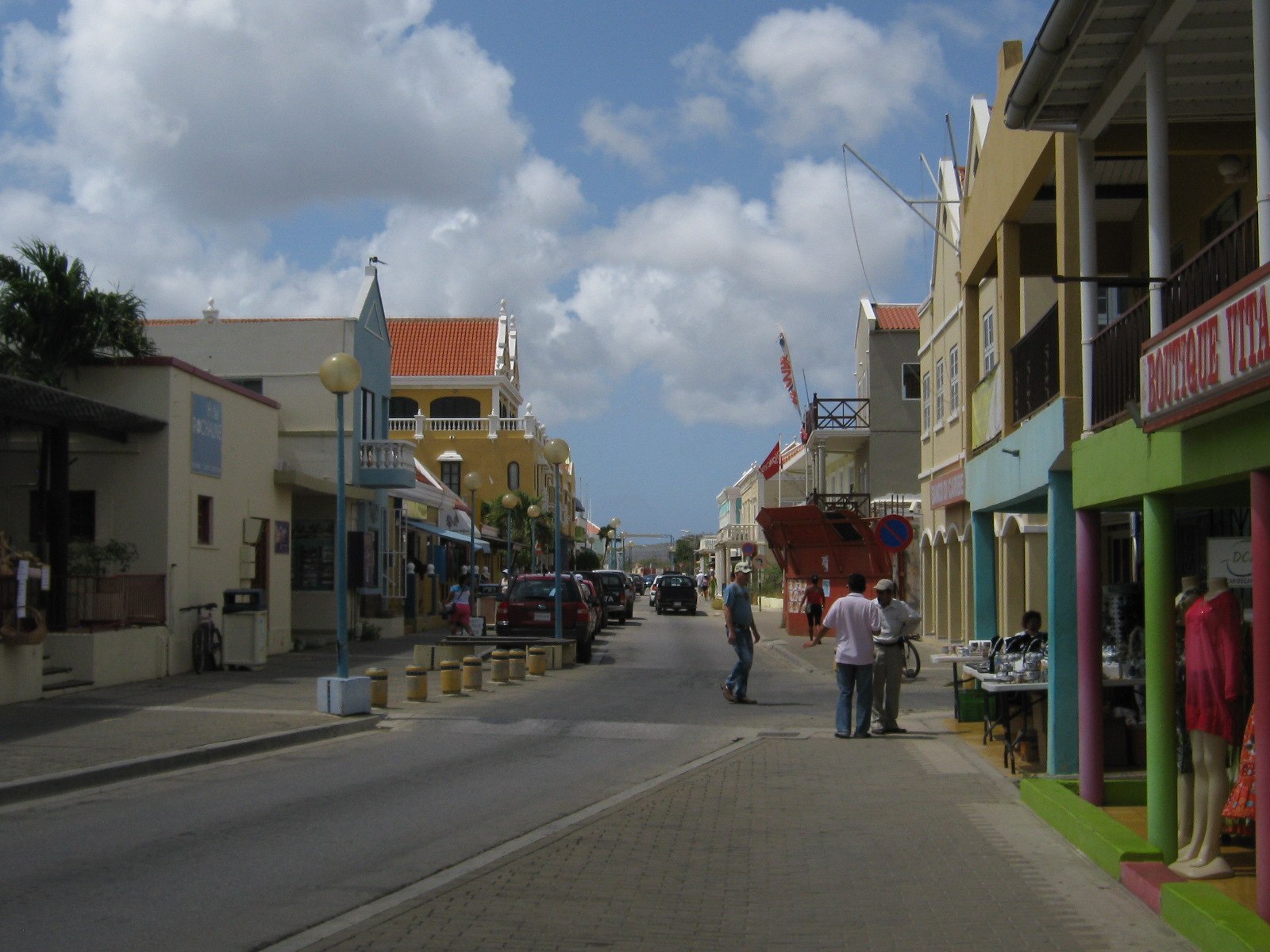
Bonaire's capital, Kralendijk, is a small, low-key waterfront town built around diving and windsurfing rather than resorts, while Saba has no beaches at all, just a single steep, winding road connecting a handful of villages perched on the volcano's slopes, including Windwardside and The Bottom, one of the lowest-lying capitals in the world despite the name.
Most biggest airports
Flamingo International Airport (BON), Bonaire — the main gateway, with direct flights from the US and connections via Curaçao and Aruba.
Juancho E. Yrausquin Airport (SAB), Saba — one of the shortest commercial runways in the world, served by small aircraft from Sint Maarten.