Dive Destinations
Verified dive centers and liveaboards across the world’s best waters — pick a country and start planning.
British Virgin Islands
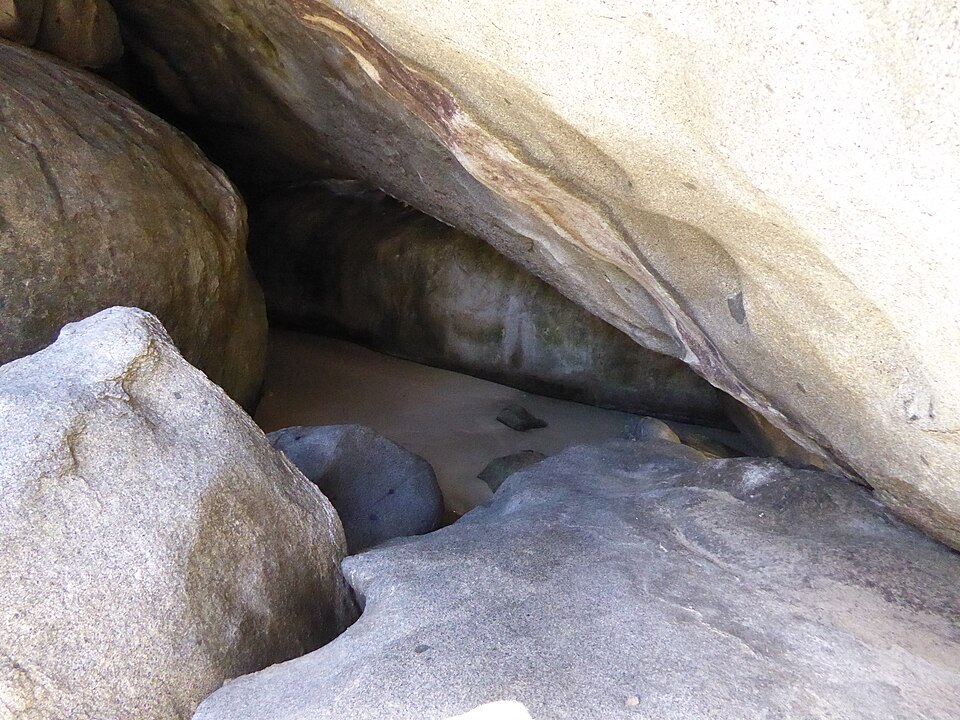
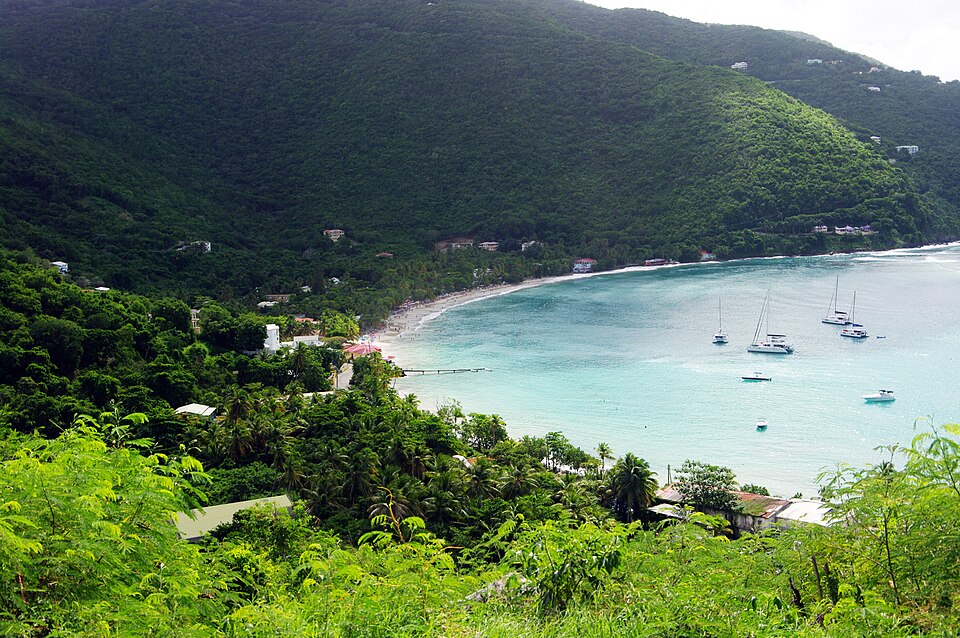
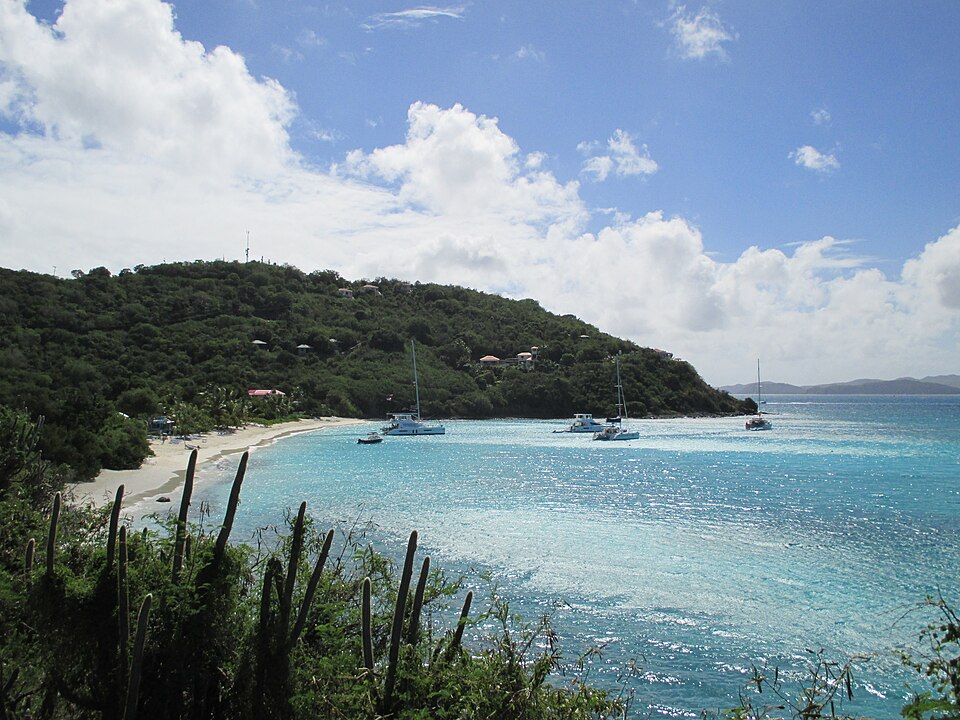
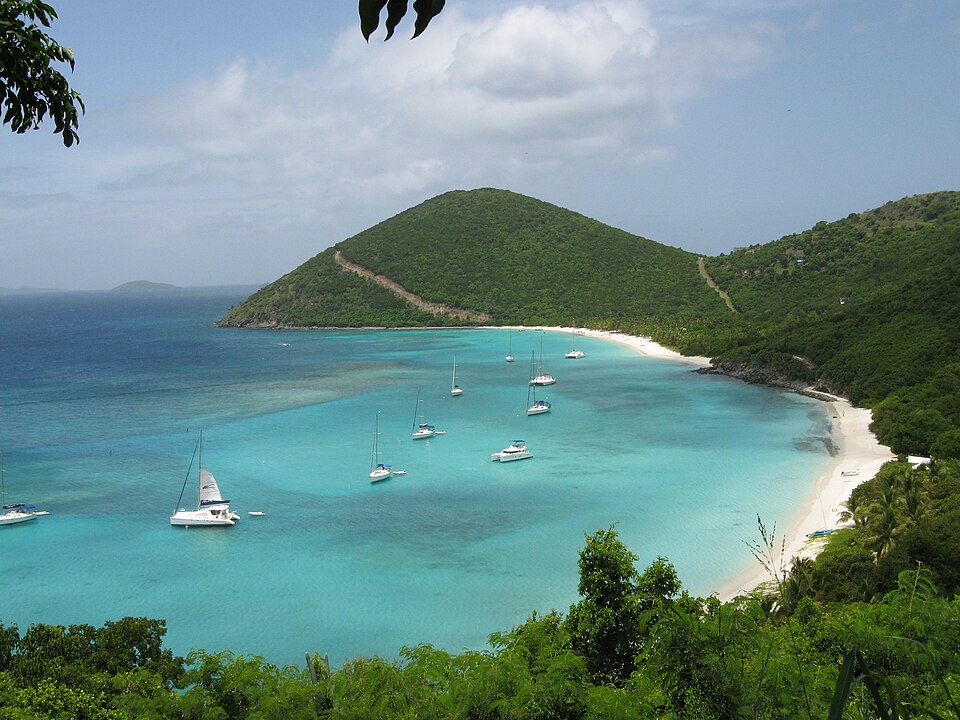
What to see in the British Virgin Islands? The wreck of the RMS Rhone off Salt Island; The Baths on Virgin Gorda, a maze of giant granite boulders and tidal pools; Horseshoe Reef off Anegada, one of the Caribbean’s largest barrier reefs; and the yacht-filled harbor of Road Town.
Diving in British Virgin Islands
The RMS Rhone, a Royal Mail steamer wrecked in a hurricane in 1867 off Salt Island, is the territory’s best-known dive: broken across a slope down to about 26 meters, shallow and open enough for beginners, and one of the most photographed wrecks in the Caribbean. Off Cooper Island, Wreck Alley strings together four vessels deliberately scuttled to build an artificial reef, now grown over with coral and reef fish.
Anegada’s Horseshoe Reef, one of the largest barrier reefs in the Caribbean, rings the island’s shallow waters but is difficult and, in places, restricted to access, which has kept it largely undisturbed. The Baths on Virgin Gorda, giant granite boulders forming tidal pools and grottoes, is a snorkeling and shallow-diving landmark in its own right. Coral gardens, pinnacles and shallow reef dives fill in the rest of the territory’s calm, current-light diving.
Country
The British Virgin Islands are a British Overseas Territory in the Caribbean, made up of around 60 islands and cays east of Puerto Rico and the US Virgin Islands, of which about 16 are inhabited. The four main islands are Tortola, Virgin Gorda, Anegada and Jost Van Dyke; the capital, Road Town, sits on Tortola. The population is around 38,000, and English is the official language, spoken alongside a local Virgin Islands Creole.
The US dollar has been the official currency since 1959, a legacy of the territory’s close economic ties to the neighboring US Virgin Islands. The climate is tropical, moderated by steady trade winds, with summer highs around 32°C and slightly cooler winters; the hurricane season runs from June to November.
Sailing is the islands’ signature activity — the calm, island-studded Sir Francis Drake Channel is regularly ranked among the best cruising grounds in the world — and the same sheltered waters that make for easy sailing also make for easy, current-free diving and snorkeling around the reefs and wrecks scattered between the islands.
Most biggest airports
Terrance B. Lettsome International Airport (EIS), on Beef Island, connected to Tortola by a bridge — the main gateway, mostly served by regional connections through San Juan or St. Thomas.