Dive Destinations
Verified dive centers and liveaboards across the world’s best waters — pick a country and start planning.
Armenia
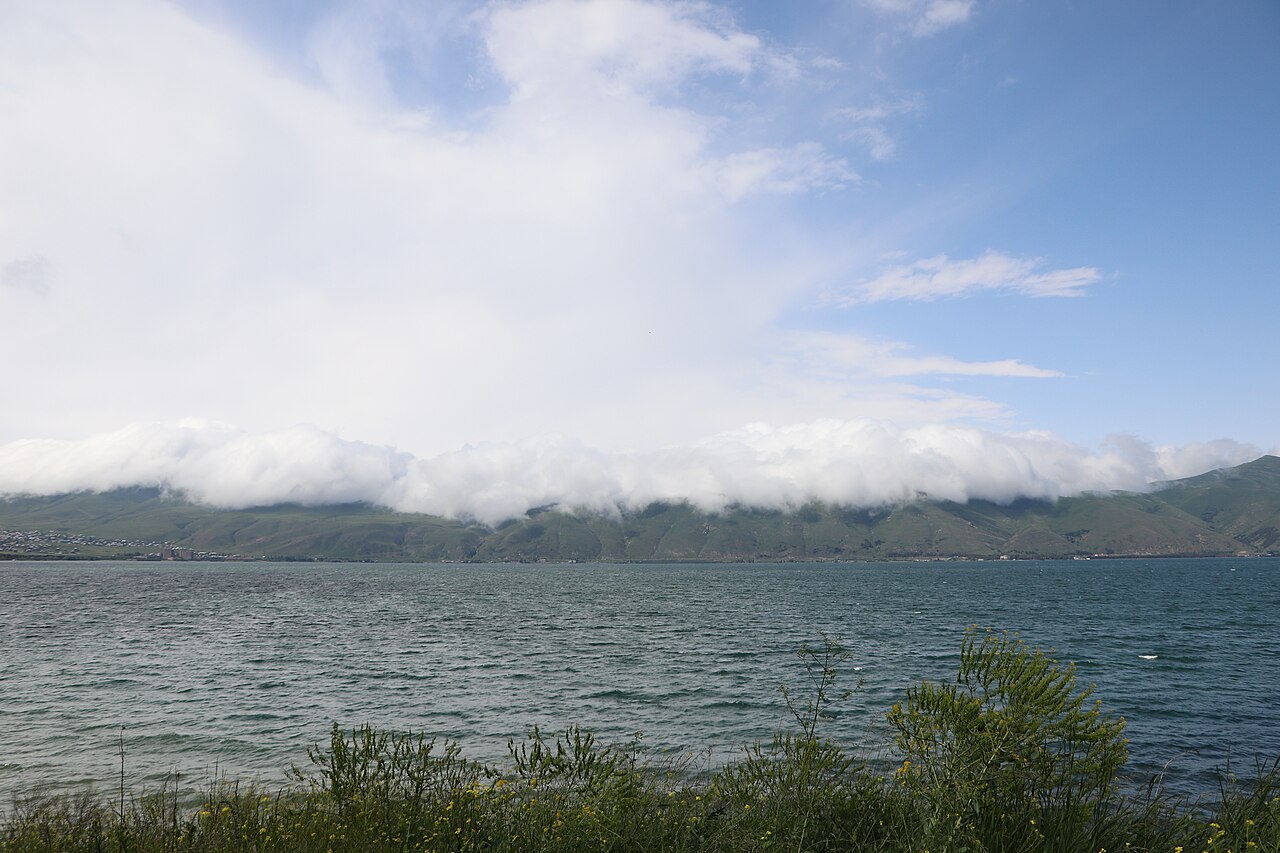
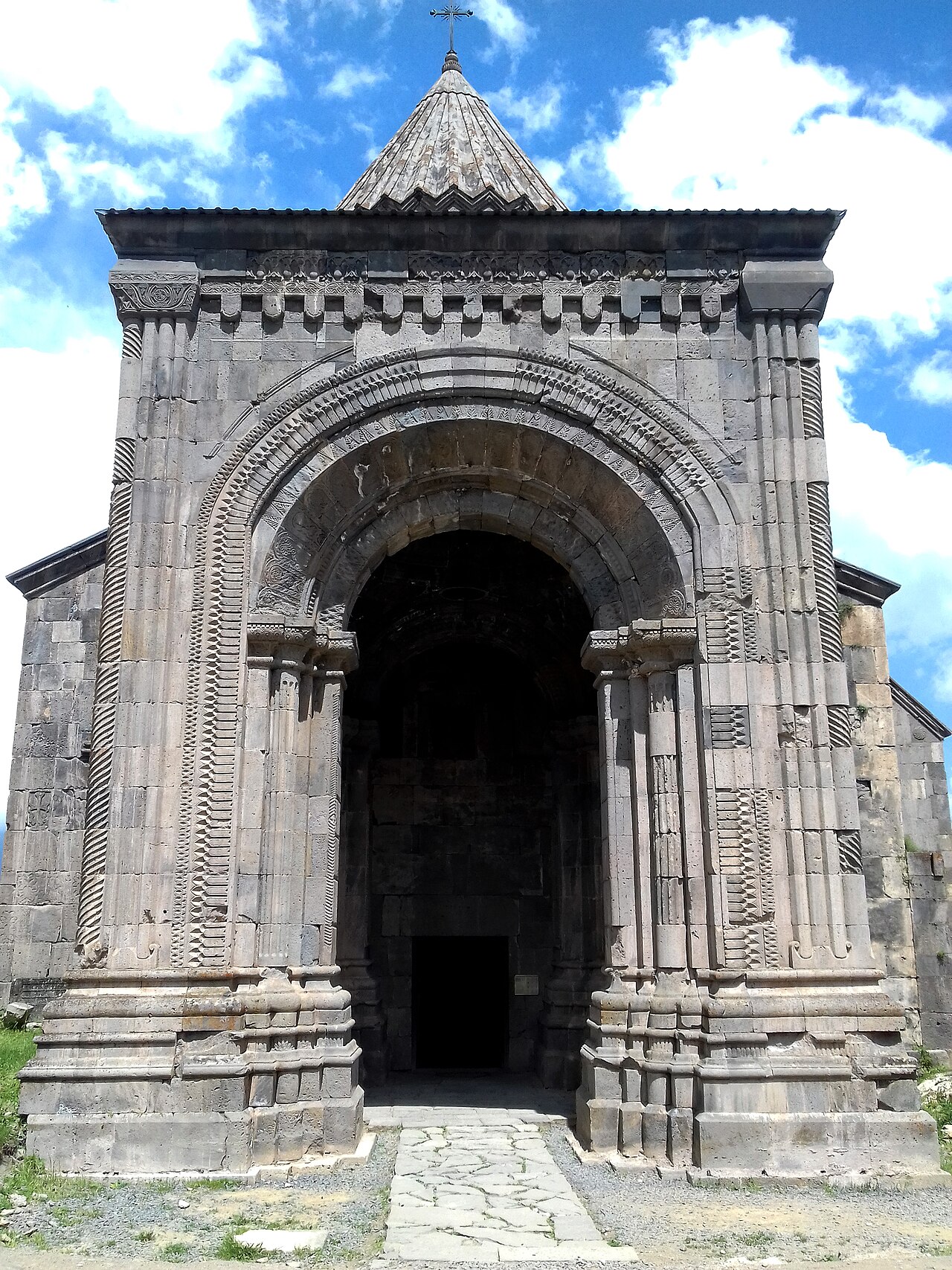
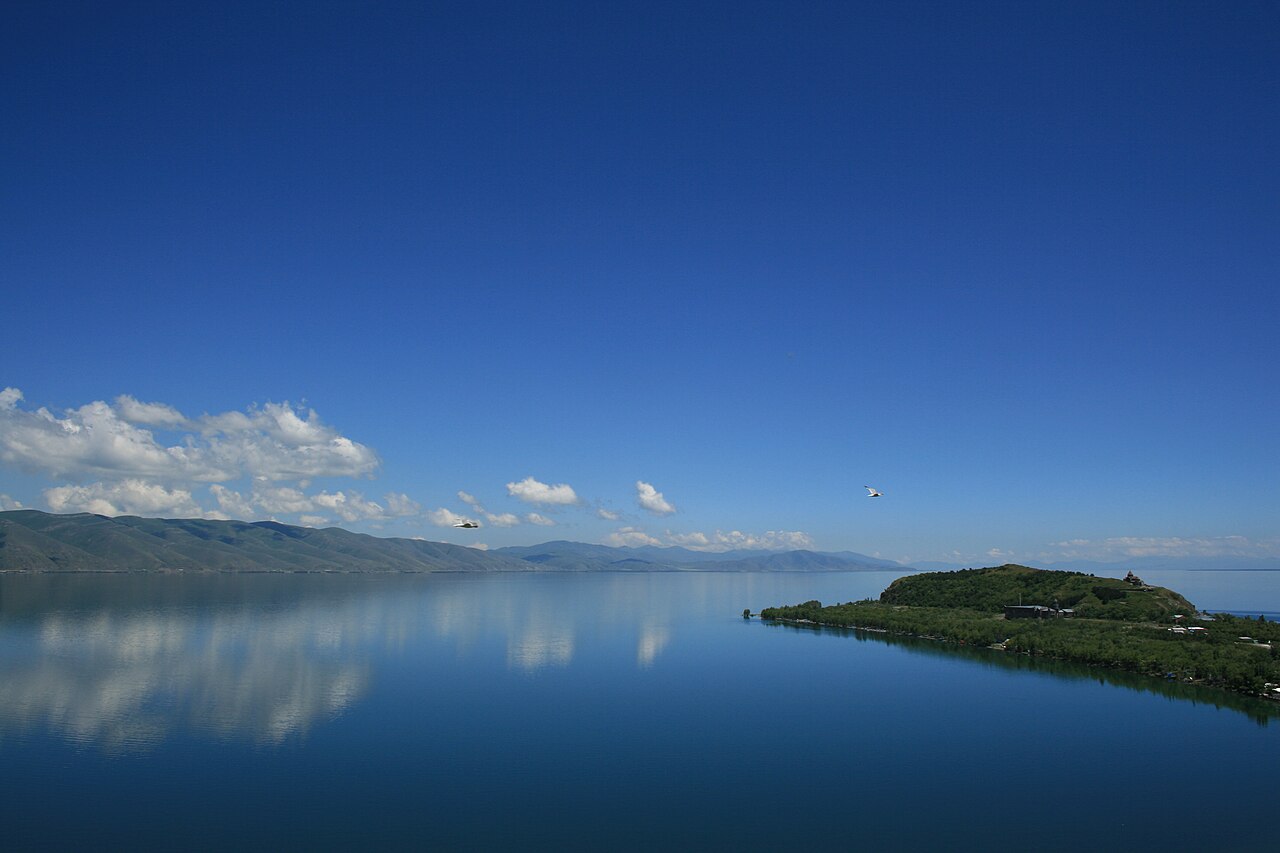
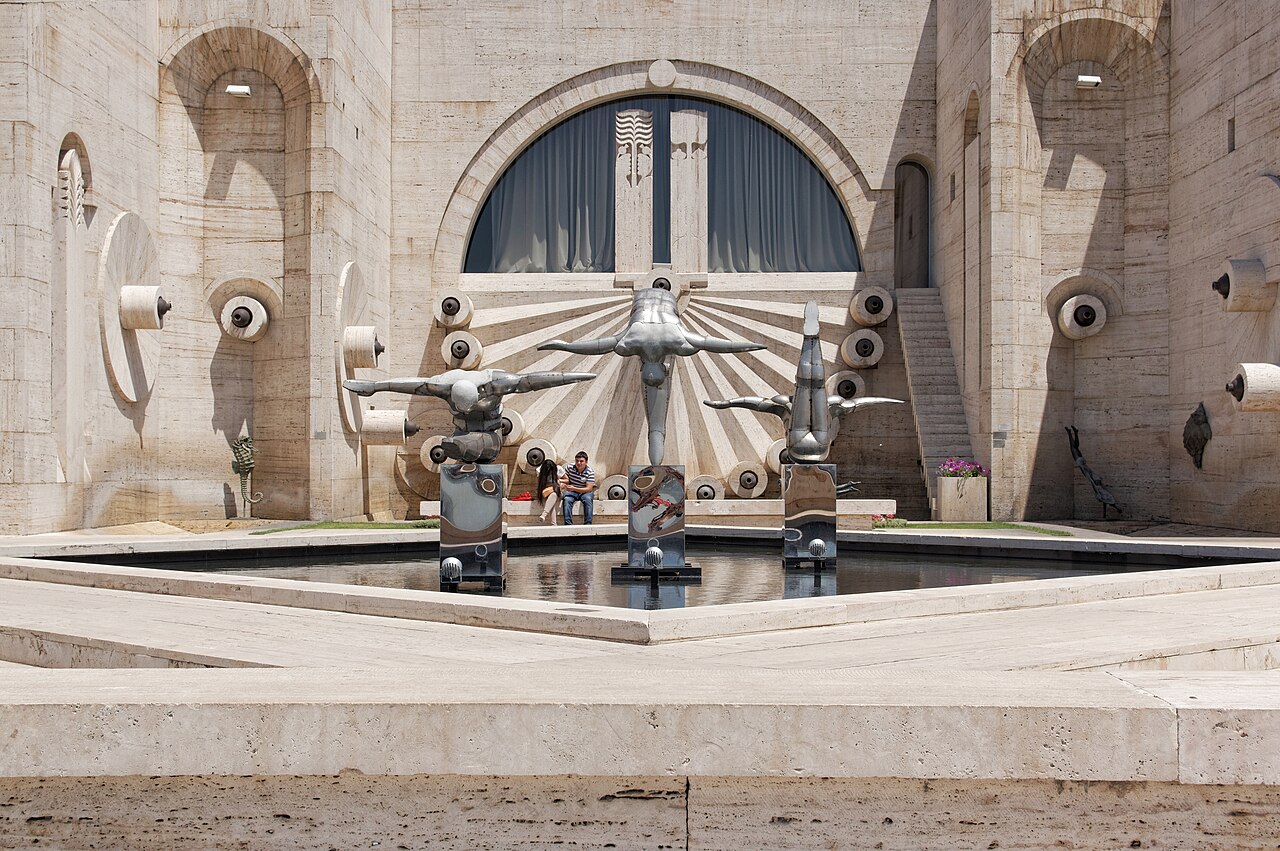
What to see in Armenia? Lake Sevan and the clifftop Sevanavank monastery on its shore; the pagan temple of Garni; the cliffside Tatev monastery, reached by one of the world’s longest cable cars; the pink-tuff architecture of Yerevan.
Diving in Armenia
Armenia has no coastline at all, so there is no sea diving to speak of - the country’s entire diving scene is built around one place, Lake Sevan, one of the largest high-altitude freshwater lakes on Earth. A handful of local dive clubs and centers around the lake run scuba courses and guided dives for visitors and residents alike, alongside freediving, with a known freediving platform reaching around 81 meters for those training at depth.
This is cold, clear alpine lake water, not a coral reef - divers should expect underwater rock formations and submerged vegetation rather than tropical fish, and a wetsuit suited to mountain-lake temperatures rather than the tropics. It is a niche, locally-run activity rather than an international dive destination, but it is real and it is the only diving Armenia has.
Country
Armenia is a landlocked country in the Caucasus, at the point where Eastern Europe and Western Asia meet, bordered by Georgia, Azerbaijan, Iran and Turkey. The capital is Yerevan, one of the world’s oldest continuously inhabited cities, and the population is around 3 million. The official language is Armenian, written in its own distinct alphabet, and the currency is the Armenian dram.
The country is mountainous and landlocked, sitting on the Armenian Highlands at altitude, with a continental climate: cold, often snowy winters and hot, dry summers, moderated somewhat around Lake Sevan and in the wine-growing Ararat valley. Armenia was the first state in history to adopt Christianity as its official religion, in the early 4th century, and its monasteries - many built from the local pink and black volcanic tuff - are the country’s defining monuments.
Lake Sevan, in the country’s east, is one of the largest high-altitude freshwater lakes in the world, sitting at close to 1,900 meters. Its water level was lowered by around 19 meters during Soviet-era hydropower and irrigation projects between the 1930s and the 1960s, which turned the once-island site of the Sevanavank monastery into a peninsula and, in the process, exposed Bronze Age settlement ruins along the newly bare shoreline that had lain underwater for millennia.
Most biggest airports
Zvartnots International Airport (EVN), near Yerevan - the country’s main international gateway and by far its busiest airport.