Greece is a country that has been telling stories longer than most countries have existed, and it turns out the sea floor was keeping a few of its own. Down there the landscape runs volcanic, all overhangs and caves, the kind of scenery that lodges in the memory and refuses to leave. A man surfaces from a Greek dive talking to himself.
A coastline once locked away
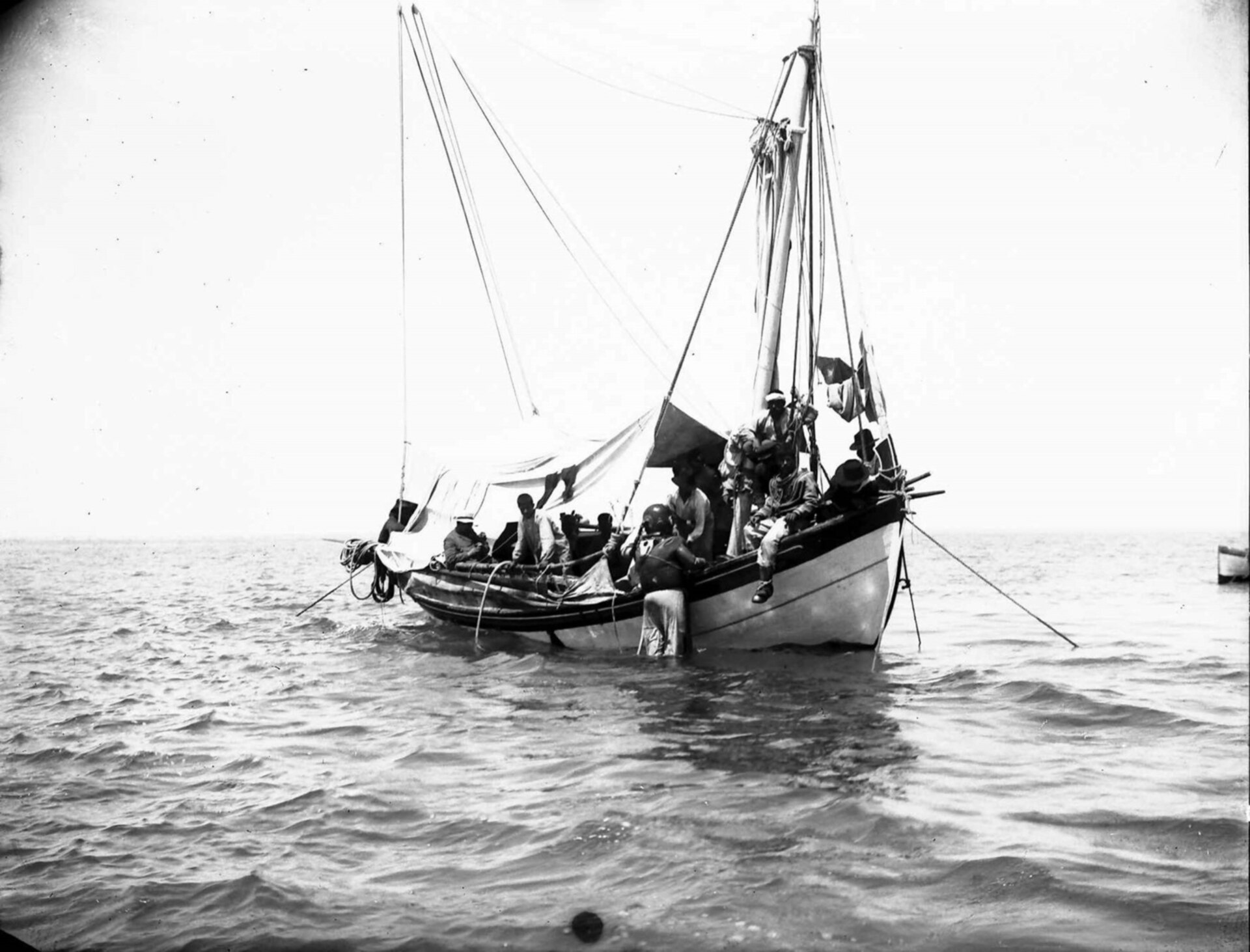
Here is a curiosity. Greece owns a coastline of over 10,000 miles, yet for years only 620 of those miles were open to divers. The country guarded its waters like a careful host guarding the good china. Then in 2005 the law changed, the rest of the coast swung open, and Greece became a favorite among divers practically overnight. Better late, as they say, than never.
When to come
This is not an all-year affair, so plan with sense. Autumn and spring are the sweet spots, when the climate turns warm and agreeable and the diving is at its best. Come in the right season and Greece rewards you. Come in the wrong one and you will be admiring the tavernas instead, which, to be fair, is no great punishment.
What you will see, and how far
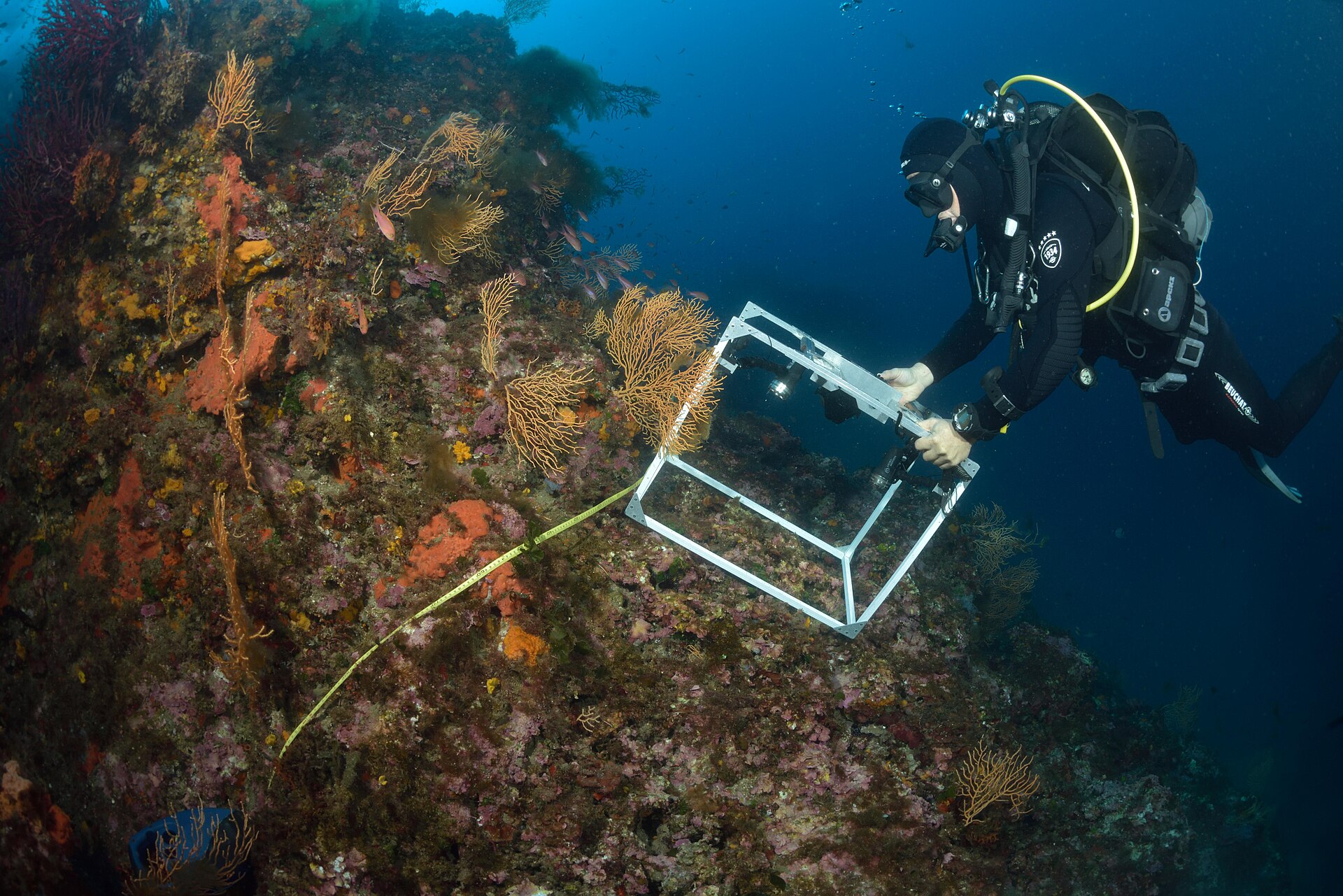
Visibility is decently generous, running from about six feet to 165 feet on an average day. The volcanic terrain gives the marine life dramatic places to live, and you the pleasure of poking around them.
Easy on the wallet, easy on the newcomer
Greek is the local tongue, but English does fine in the tourist regions, so a visitor need not fret. The euro is the currency and credit cards are widely accepted, which spares you the usual traveler's headaches. Diving schools are scattered throughout the country, so both the seasoned diver and the trembling first timer find a place to start.
Plan ahead
Lock your dates and your dive center early. Find verified dive centers in Greece on Live is Dive, compare them, and write to the center direct. No middleman, no commission, just you and the old blue sea.
Diving in Greece: FAQ
When is the best time to dive in Greece?
May to October, when the sea is warm (20 to 26 C) and visibility reaches up to 30 meters.
Is Greece good for beginners?
Yes. Sites such as Santorini's caldera are friendly to new divers, and schools operate across the country.
Where are the best dive sites in Greece?
Santorini's volcanic walls, the Blue Caves of Zakynthos, and the caves of Rhodes are among the favorites.
What will I see underwater?
Octopus, groupers, and moray eels, and in places turtles and rays.
Browse verified dive centers in Greece on Live is Dive and message them directly. See dive centers in Greece.
Photos via Wikimedia Commons: Santorini by dronepicr (CC BY 2.0); Antikythera sponge diver, historical (CC BY-SA 3.0); Mediterranean reef by Olivier Dugornay, Ifremer (CC BY 4.0). Video: Athens_local (YouTube).