A man I know once tried to describe his first dive in Indonesia and gave up halfway through. He is a talkative fellow by trade, the sort who can stretch a fishing story across an entire dinner, and there he sat with his mouth open and nothing coming out. He finally said it was like falling into an aquarium that somebody had badly overstocked. I have been down there since, and I can report he was being modest.
So if you are eyeing Indonesia and wondering whether one country can really hold that much water worth seeing, let me settle it early. It can. It does. The trouble is not finding good diving here. The trouble is choosing, because the place hands you more of it than one trip can swallow.
Why the fish bother to show up here
Indonesia sits in the middle of the Coral Triangle, a stretch of tropical sea shared by six countries that holds more coral and more reef fish than anywhere else on the planet. The numbers do the bragging on their own. Raja Ampat, off the coast of West Papua, counts more than 1,800 species of reef fish and over 550 species of coral. To put that in plain terms, three quarters of all the hard coral species known to science live in that one corner of the map.
And here is the figure I went and checked twice, my memory being the unreliable witness it always is. On a single dive at a site called Cape Kri, scientists counted 374 species of fish in sixty minutes. That is a world record, and it still stands. A person could spend a whole career diving lesser water and never see half that in a year.
What it is actually like down there (for the landlubbers)
If you have never dived, here is the honest version. You sink slowly, you breathe like a patient steam engine, and the racket of the world clicks off. In Indonesia the difference is the sheer traffic. Fish do not part politely for you here. They carry on with their business, a thousand of them at once, and you hang in the middle feeling like the one guest who wandered into the wrong party. A turtle ignores you. A reef shark passes by with the bored expression of a clerk at closing time. You will want to holler about all of it, which is a poor idea with a regulator in your teeth, so you do what every diver does and make muffled noises at your buddy while pointing like a fool.
A few diver truths, told plainly
Indonesia rewards a diver, but it asks for a little respect in return, and most of that respect is about current. Places like Komodo and Nusa Penida run drift dives, where the water carries you along like a slow river and your job is mainly to enjoy the ride and stay with your guide. It is grand fun once you trust it. It is also the reason you listen to the briefing instead of admiring your fins.
Equalize your ears early and often, or they will lodge a complaint around six meters and ruin your morning. Do your buddy check even when you are certain you packed everything, because certain is how a person ends up bobbing at the surface without a weight belt. And the safety stop, those three slow minutes hanging at five meters while your computer counts down, will feel longer than a sermon. Endure it anyway. The reef is the reward. The grin you surface with is the receipt.
Where to do your diving
Indonesia is more than 17,000 islands, so nobody dives all of it. Here are the corners worth crossing an ocean for.
Bali
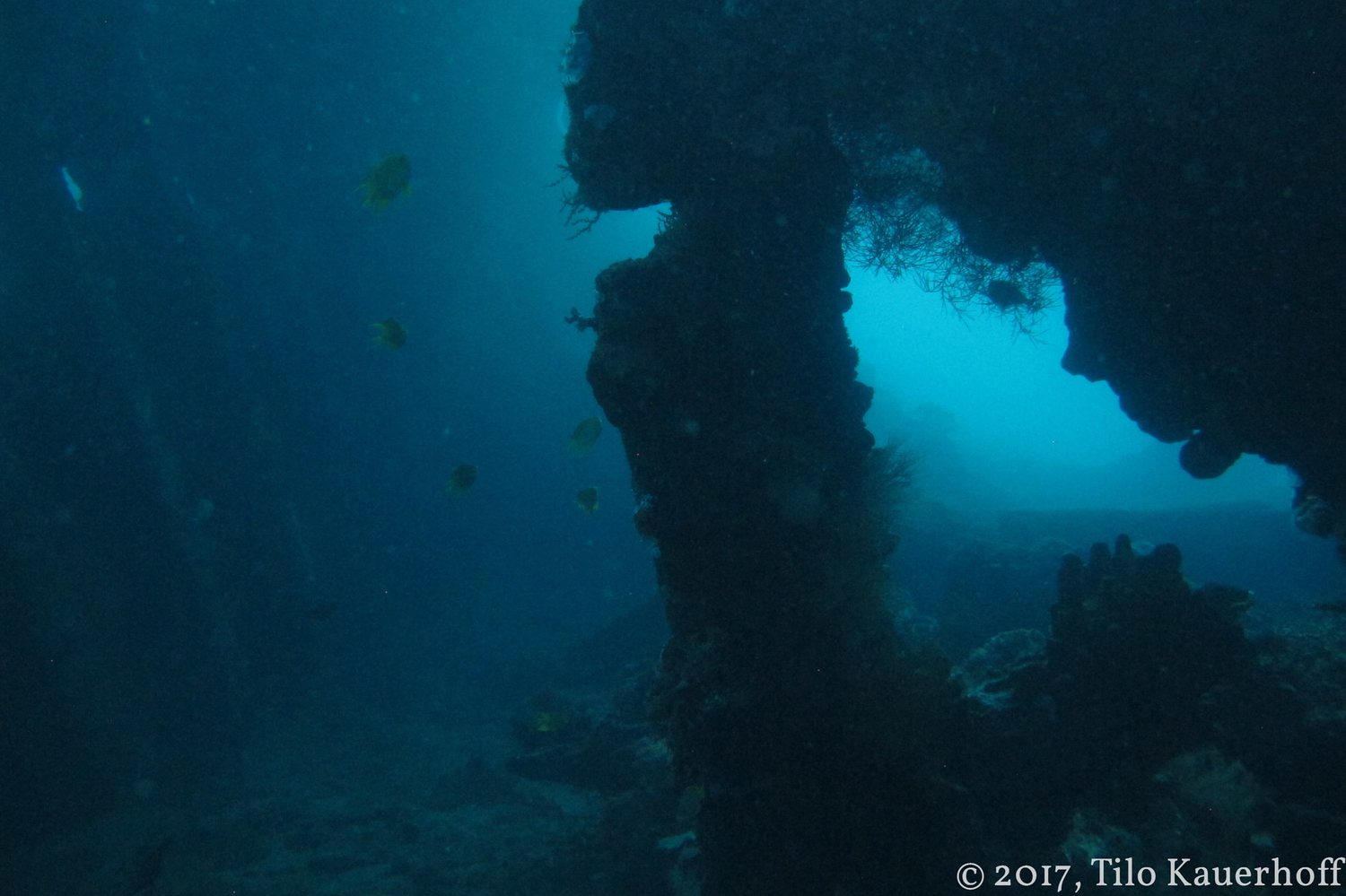
Bali is where most people meet Indonesian diving, and it is a kind start. At Tulamben on the northeast coast lies the USAT Liberty, a 120 meter cargo ship torpedoed in the war and now resting about thirty meters off the beach. You can wade out to it. The reef has long since moved in and taken the place over, which means even a brand new diver can drift along a real shipwreck on their first week. Down in the southeast, Nusa Penida is the wilder cousin. From July through October the cold water rises up from the deep, drops to around twenty degrees, and brings the mola mola, the great oddball sunfish that looks like a dinner plate that kept growing. The same waters draw manta rays the rest of the year.
Komodo
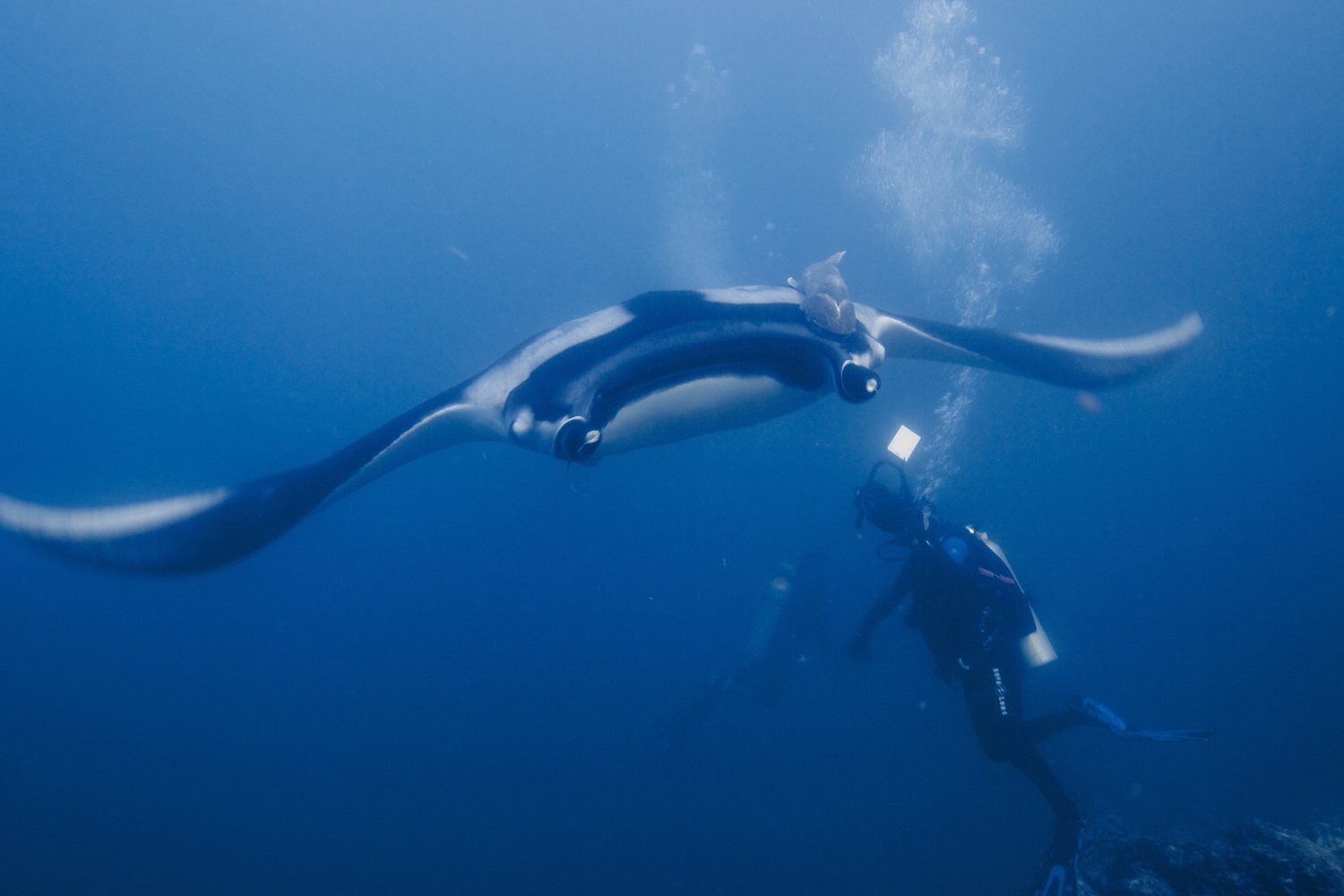
Komodo National Park is famous twice over. On land it has the dragons, the big lizards that gave the place its name and that you admire from a sensible distance. In the water it has manta rays, sharks, and currents that mean business. This is drift diving country, generous to divers with a few logged dives under their belt and honest about the fact that it is not the spot for your very first descent.
Raja Ampat
Raja Ampat is the one the photographs quarrel over, and for once the photographs are not lying. This is the richest reef in the Coral Triangle, the home of those record-breaking fish counts, far out east where the crowds have not yet trampled the water. Getting there takes effort and a few flights. Divers who make the trip come back changed, and a little insufferable about it at dinner, which I suppose they have earned.
Lembeh Strait
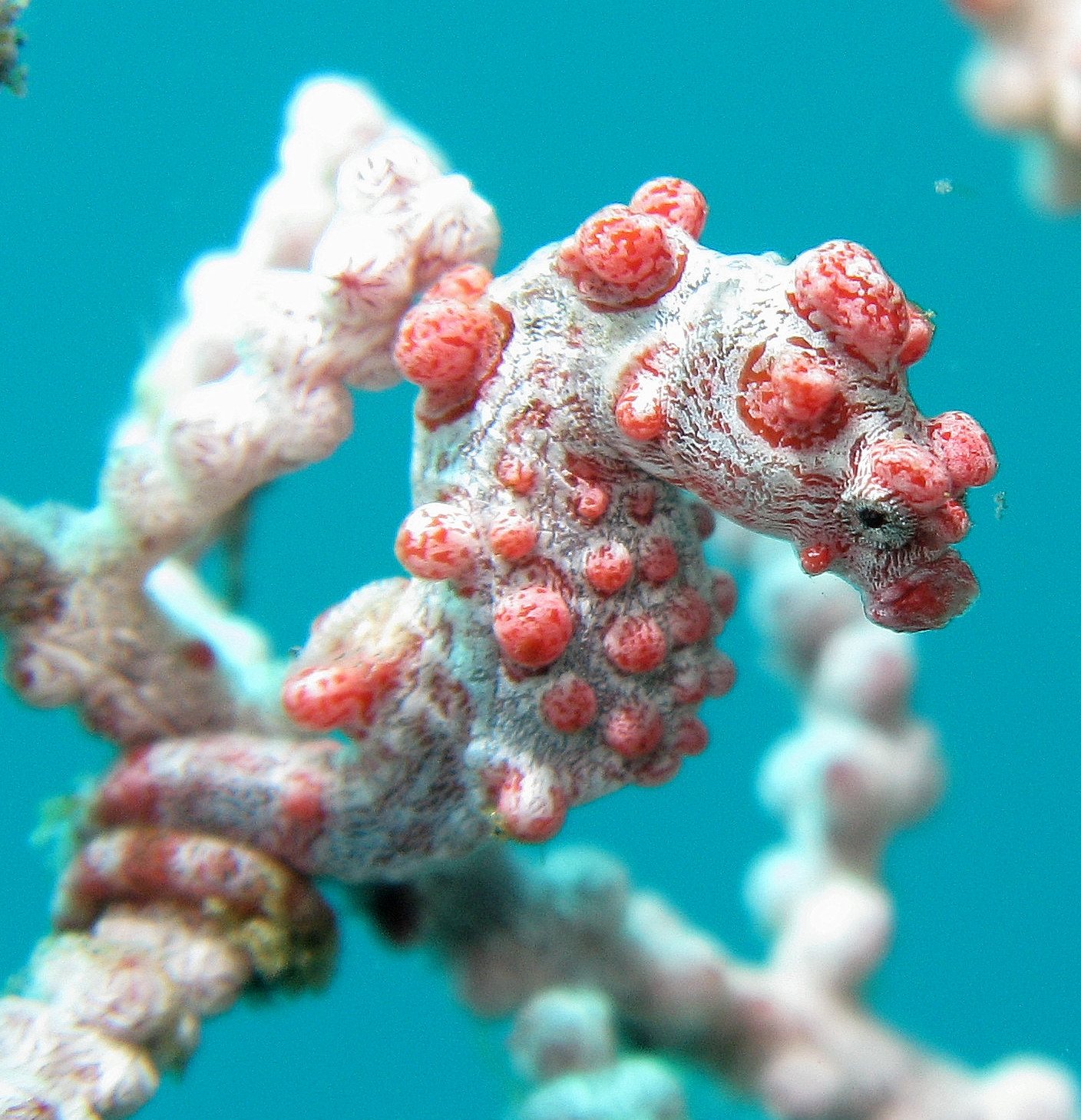
And then there is Lembeh, off North Sulawesi, which breaks all the rules. There is no grand reef and no clear blue here. The bottom is dark sand, and that is the whole point. Lembeh is the world capital of muck diving, where you hover an inch off the silt and hunt for the strange small things, the frogfish and the flamboyant cuttlefish and the seahorse the size of your fingernail. Some divers think it is the best diving in the country. The rest think they have lost their minds. Both camps are partly right.
Fit for greenhorn and old hand alike
Indonesia is generous to beginners and experts both, as long as you match the site to your logbook. A new diver belongs at Tulamben or the calm reefs of Bali, where the local centers will train you, guide you, and turn a nervous landlubber into a passable diver inside a week. The strong drifts of Komodo and Raja Ampat will keep for later, when you have the dives to enjoy them instead of merely surviving them.
A word on planning, cheaply given
The water is warm most of the year, sitting around 26 to 29 degrees, with visibility often running 20 to 30 meters. Bali and Komodo dive best from April through November. Raja Ampat flips the calendar and shows its finest water from October through April. If you are chasing the mola mola off Nusa Penida, aim for July to October and pack a thicker wetsuit, because that cold water is the price of admission.
Settle your dates early and arrange your dive center before you leave home. The traveler who plans ahead is a smug creature by his third dive, and he has earned the right to be. You will find verified dive centers across Indonesia on Live is Dive. Compare them, then write to the center direct. No middleman, no commission, and nobody standing between you and the water but your own good sense.
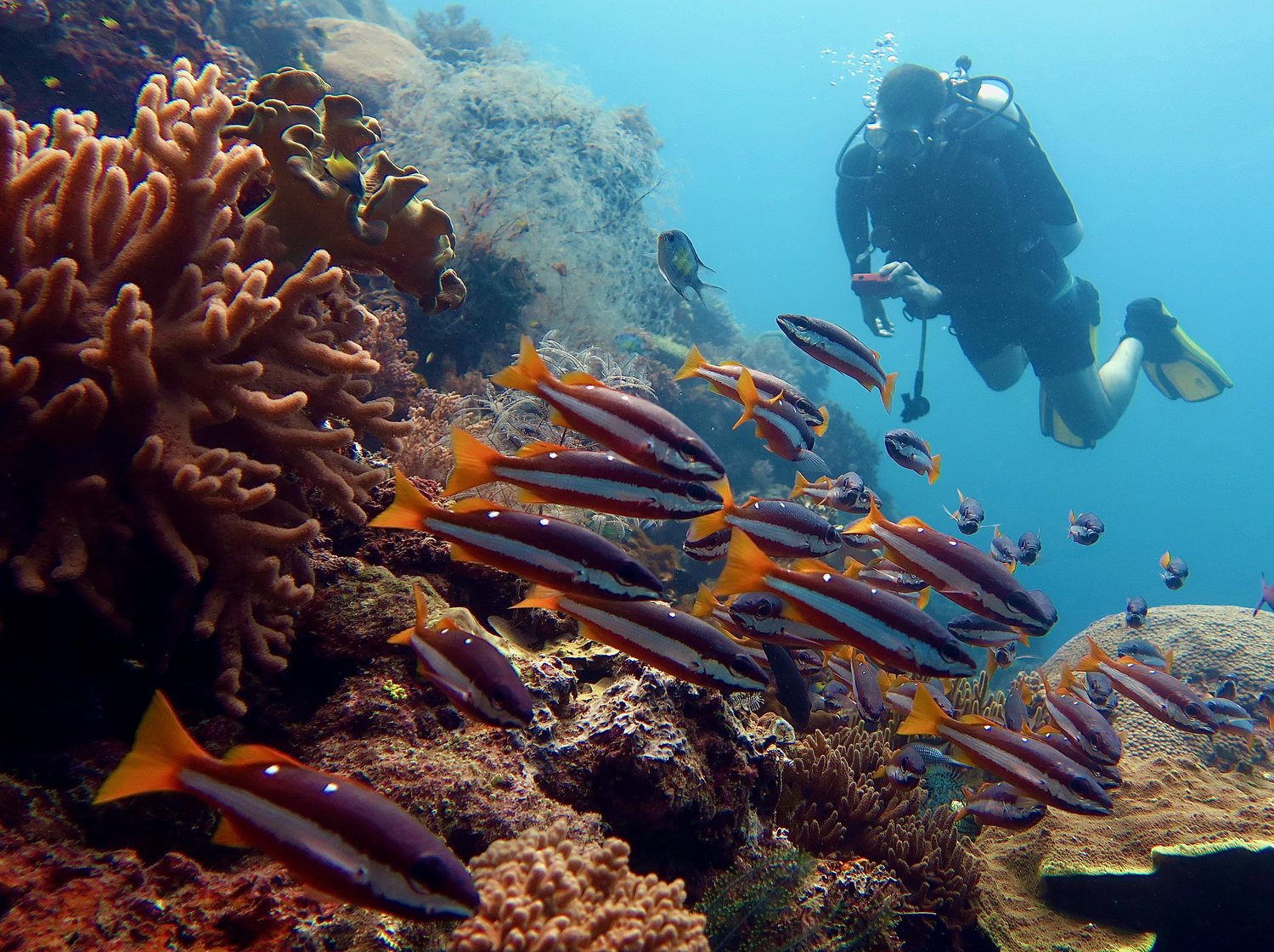
Cover photo: Fakhrizal Setiawan, CC BY-SA 4.0, via Wikimedia Commons.