A German I once shared a boat with asked me, very reasonably, what diving in the United States is like. I opened my mouth and nothing came out, because the honest answer depends entirely on which coast you are standing on when you ask. Tell him about the kelp forests of California and he pictures cold water and sea lions. Tell him about the Florida Keys and he pictures warm water and parrotfish. Mention that a person can also strap on a tank in the middle of Michigan and swim through a wooden ship that sank before his great-grandfather was born, and he starts to suspect you are making up a country to see if he will believe it. I am not. The United States does not have a diving personality. It has several, filed under one passport, and a diver can spend a lifetime working through the list without repeating himself once.
The country that invented the modern dive card
Here is a piece of history that most divers carry in their wallet without knowing where it came from. In 1966, a scuba equipment salesman named John Cronin drove to the Morton Grove, Illinois apartment of a swim instructor named Ralph Erickson, carrying a bottle of Johnnie Walker Black Label and thirty dollars. The two of them sat down and agreed that diving instruction in America was a mess, run by whoever felt like teaching it that week, with no shared standard and no shared certification. They decided to fix that themselves. Cronin wanted the word "professional" in the name. Erickson wanted "association of diving instructors." Between the two of them, and possibly the whisky, they landed on PADI, and the card in your wallet has carried those initials ever since. I did not invent a syllable of this. It is the organization's own account of its founding, and it remains the best origin story in recreational sport that involves neither a garage nor a dare.
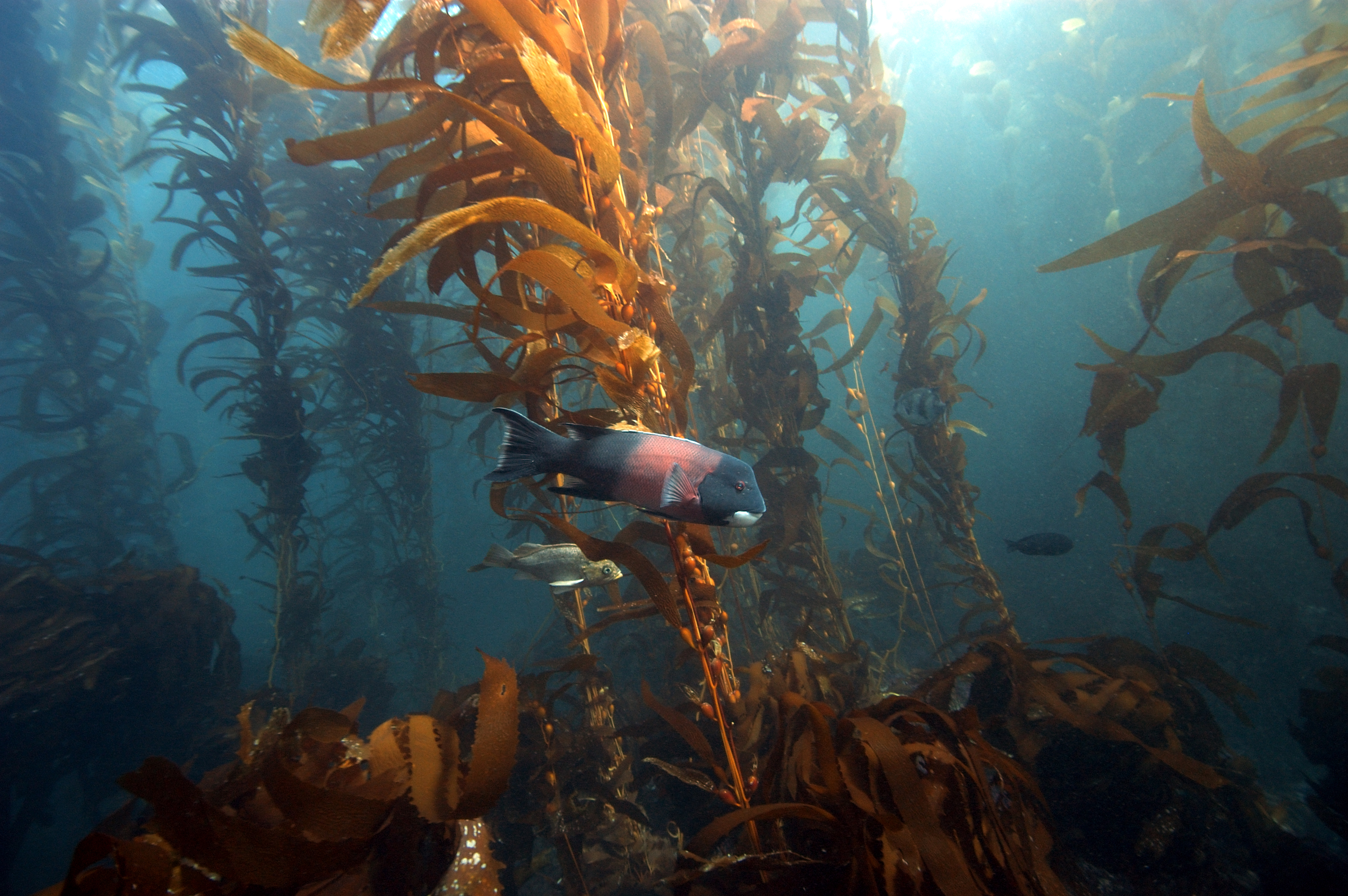
A country too big to settle on one kind of water
The United States spans a continent and change, and the diving follows the geography rather than apologizing for it. The Pacific coast runs cold, green, and thick with kelp. The Gulf and Atlantic sides run warm, blue, and full of coral. The interior, which a foreigner would never suspect of holding a single dive site, holds several thousand of them in old quarries and the coldest, clearest corners of the Great Lakes. No other country I have dived packs quite this much contrast under one flag, and American divers tend to specialize by coast the way other people specialize by hobby, then act mildly astonished when you mention that the other coast exists too.
What it is actually like down there (for the landlubbers)
If you have never dived, here is the plain version. You go under, the weight comes off your knees before it comes off your mind, and the surface world switches off like someone found the light switch. In California a curtain of kelp sways around you, thick as a jungle and rooted to rock instead of soil, and a sea lion may barrel through it to inspect you at a speed that makes clear who the graceful species is. In Florida the water goes warm and clear and a green sea turtle drifts past with the unbothered manner of a creature that has been doing this since before your grandparents met. Either way you will want to say something out loud. This is impossible with a regulator in your mouth, so you point, and your buddy points back, and between the two of you a great deal gets communicated that neither of you could spell.
Where to point your fins
California and the Channel Islands
Southern California grows some of the tallest forests on Earth, and they happen to be underwater. Giant kelp can run from just below the surface down to twenty or thirty meters, and diving through it feels less like a dive and more like a walk through a cathedral that grows an inch a day. The Channel Islands, protected as a national marine sanctuary, are the address most divers head for: garibaldi glowing orange against the green, California sheephead going about their business, spiny lobster tucked into the rocks for anyone patient enough to look. The water runs cold enough that a wetsuit here is not optional, but nobody who has drifted through a kelp forest in good light has ever asked for their money back.
The Florida Keys
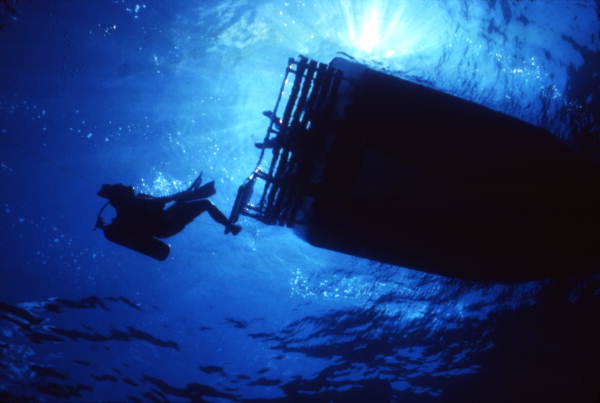
In 1960, Florida did something no American state had done before and turned a patch of ocean off Key Largo into John Pennekamp Coral Reef State Park, the country's first underwater park. It now sits alongside the larger Florida Keys National Marine Sanctuary, and together they protect the only living coral barrier reef in the continental United States. The water is warm, the visibility is generous, and the reef is stitched together with wrecks, some sunk on purpose to give the coral something to grow on. A diver can do a coral dive in the morning and a wreck dive in the afternoon and still make dinner reservations.
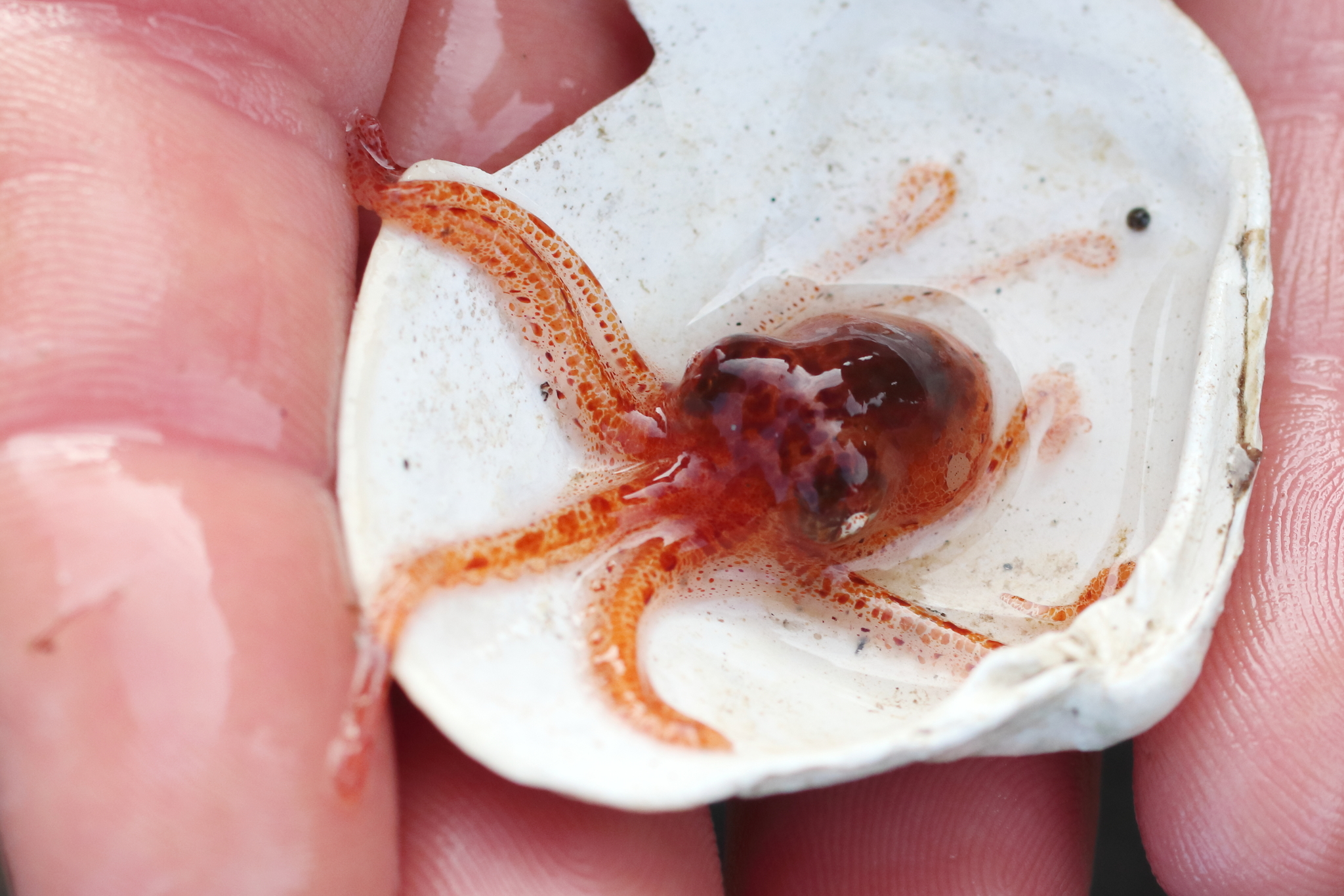
The Pacific Northwest and an octopus with opinions
Puget Sound is not a place most people picture when they picture scuba diving, and that is the Pacific Northwest's own fault for keeping such good secrets. The water runs cold and green, the visibility is modest by tropical standards, and the star of the show is the giant Pacific octopus, the largest octopus species alive, capable of an arm span near five meters and a body weight past a hundred pounds. It lives only a few years, which seems like a raw deal for an animal that large, and it dens in rocky crevices where a patient diver can watch it change color and texture like it is arguing with itself about which rock to imitate. Nobody who has met one calls Northwest diving a compromise dive again.
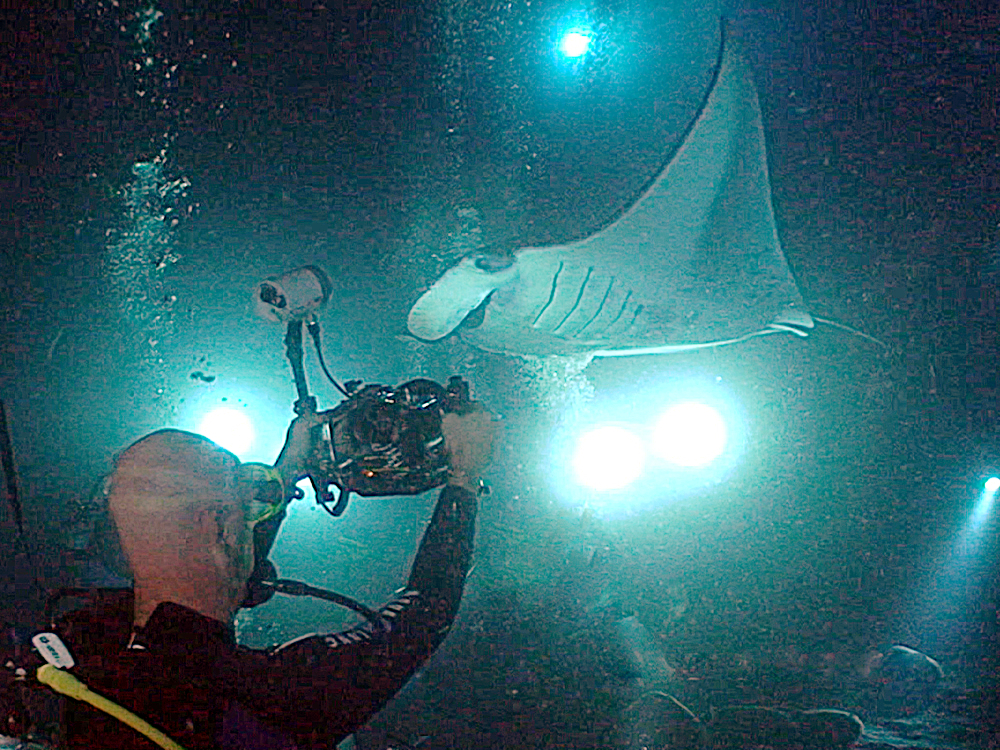
Kona, Hawaii, after dark
Hawaii keeps its best trick for after sunset. Off Kona, dive boats set lights on the seafloor, the lights draw plankton, and the plankton draws manta rays in from the dark to feed, wheeling and looping directly overhead while divers hold a fixed spot on the bottom and watch. It has drawn divers out after dark for thirty years and counting, and no amount of advance description quite prepares a first-timer for a manta the size of a door banking a few feet over his head, backlit by his own dive light. It is, by general consensus among people who have tried a great many night dives, the best one on the planet.
The Great Lakes, where the ships never rot
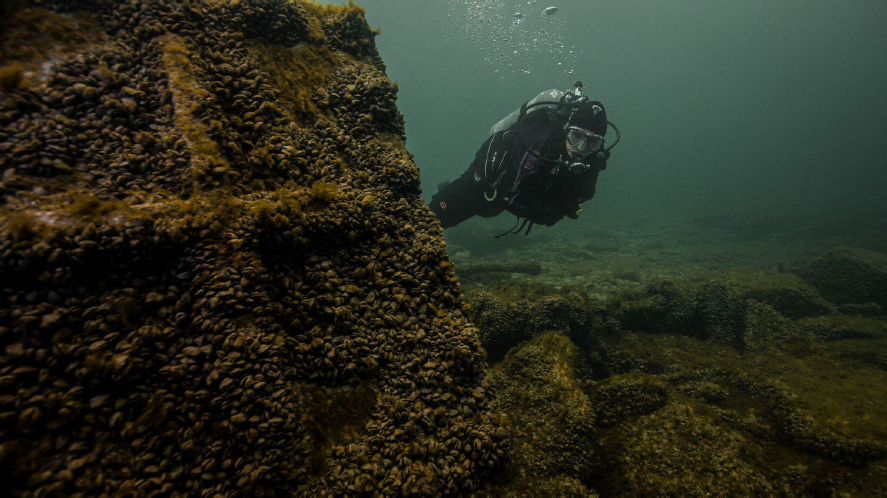
This is the one that surprises everyone, myself included the first time I heard it. The Great Lakes are freshwater and cold, and saltwater shipworms, the tiny mollusks that chew ocean wrecks into splinters within a few decades, cannot survive there. Between the cold and the missing shipworms, wooden ships that sank a hundred and fifty years ago sit on the lakebed with their masts standing and their wheels still mounted, looking less like wrecks and more like ships that simply stopped. Lake Superior, Lake Huron, and Lake Ontario, the last of them now protecting its own National Marine Sanctuary, are full of them. It is cold, dark, freshwater diving, not for a first certification, but for the diver who wants to see a nineteenth-century schooner exactly as her crew left her, there is nowhere else on Earth that offers it.
A day-boat country, mostly
Ask an American diver about liveaboards and most of them will describe a trip they took somewhere else. Domestic diving here runs on day boats out of Key Largo, Catalina, or Anacortes rather than a week asleep on a hull, and there is something to be said for it. You dive, you come home, you sleep in your own bed, and you are back on the boat the next morning without ever packing a second bag. It is a more practical arrangement than romantic, but American diving was never trying to be romantic. It was trying to get you wet as efficiently as possible, and at that it succeeds.
When to come
There is no single answer, which by now should not surprise you. California kelp diving is best from late summer into fall, when the water clears and the algae bloom that clouds it in spring has settled down. The Florida Keys run warm and diveable all year, with a wary eye kept on hurricane season from June through November. Kona's water stays warm enough for a wetsuit alone in any month you care to name. The Great Lakes have their own short season, roughly May through October, before the cold shuts the door until spring. Pick your coast first. The calendar follows.
Fit for greenhorn and old hand alike
A first certification in the Florida Keys will treat a nervous beginner about as gently as diving allows. A cold-water course in Puget Sound or off the California coast will build a diver who is rarely rattled by anything easier afterward. Equalize early, check your buddy even when you are certain you already did, and do not skip the safety stop because the cold has made you impatient. The wreck, the reef, or the kelp is the reward. The grin on the boat ride back is the receipt.
A word on planning, cheaply given
Decide your coast, then decide your dates, and book your dive center before the good boats fill up, which in season happens faster than most visitors expect.
You will find verified dive centers and liveaboards in the United States on Live is Dive. Compare them, then write to the operator direct. No middleman, no commission, and nobody standing between you and the water but your own good sense.
Photos via Wikimedia Commons, public domain / CC BY / CC BY-SA: manta and diver off Kona by Steve Dunleavy; Channel Islands kelp forest by National Marine Sanctuaries/NOAA; John Pennekamp Coral Reef State Park via State Library and Archives of Florida; giant Pacific octopus by Erin McKittrick; second Kona manta photo by William Stamps Howard; Lake Ontario shipwreck diver by Nick Zachar/NOAA.