The Maldives is not so much a country as a rumor of one. It is nine-tenths ocean and one-tenth sand, and the sand only shows up when the ocean is in a generous mood. A friend of mine flew in expecting a nation and spent the whole descent convinced the pilot had lost it. Then the plane banked, the water went from blue to a color there is no honest word for, and a thousand rings of reef rose up to meet us like coins spilled on glass. He stopped worrying about the country. He had found the part he came for anyway, and it was underwater.
So if you are eyeing the Maldives and wondering whether a place that barely clears the waterline can be worth the airfare, allow me to report, with my passport still damp, that it can.
A country that is mostly water, and proud of it
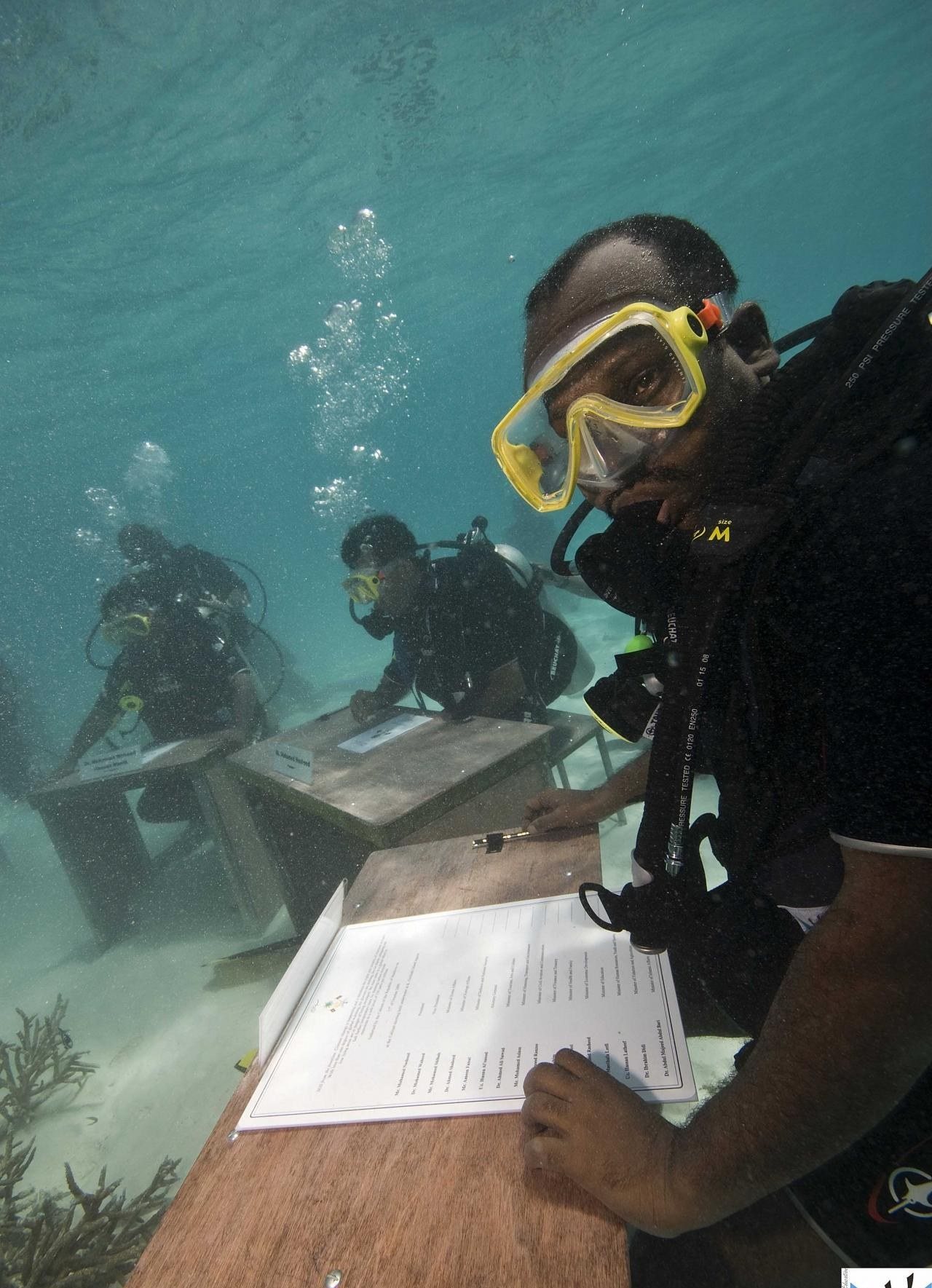
Here is a fact I looked up twice, my memory being a poor witness: the highest natural point in the whole Maldives is about 2.4 meters, which is to say eight feet, which is to say roughly the height of a tall man standing on a short man. It is the flattest country on Earth. The Maldivians know exactly what a rising sea means for them, and in 2009 they made the point in a manner no press release could match. The president and his entire cabinet strapped on scuba tanks, sank to the seafloor, took their seats at desks arranged in a tidy horseshoe, and held an official meeting of a sovereign government some six meters underwater. They found their places by little nameplates. They conducted the nation's business in hand signals. They signed the resolution with waterproof pens. There were no speeches, for a man cannot deliver a speech through a regulator, which may be why it is remembered as the most efficient cabinet meeting in the recorded history of government. I am not inventing a syllable of this, and I defy you to name a parliament with better diving credentials.
While we are trading trivia: the word atoll is one of the very few English words borrowed from the Maldivian language. So every time a diver anywhere on Earth says it, he is quietly speaking Dhivehi and hasn't the faintest idea.
Why a body keeps coming back
The water is the whole argument, and it makes it well. It stays warm the year around, somewhere between 26 and 30 C (79 to 86 F), warm enough that a diver forgets he owns a body. Visibility runs generous, often 20 to 30 meters and better, so you spot the reef long before the reef bothers to notice you. And there is simply a great deal of life down there. The Maldives sits alone in the middle of the Indian Ocean with nothing to distract the ocean's attention, so the ocean has poured most of its best work into these atolls and let it pile up for a few thousand years.
What it is actually like down there (for the landlubbers)
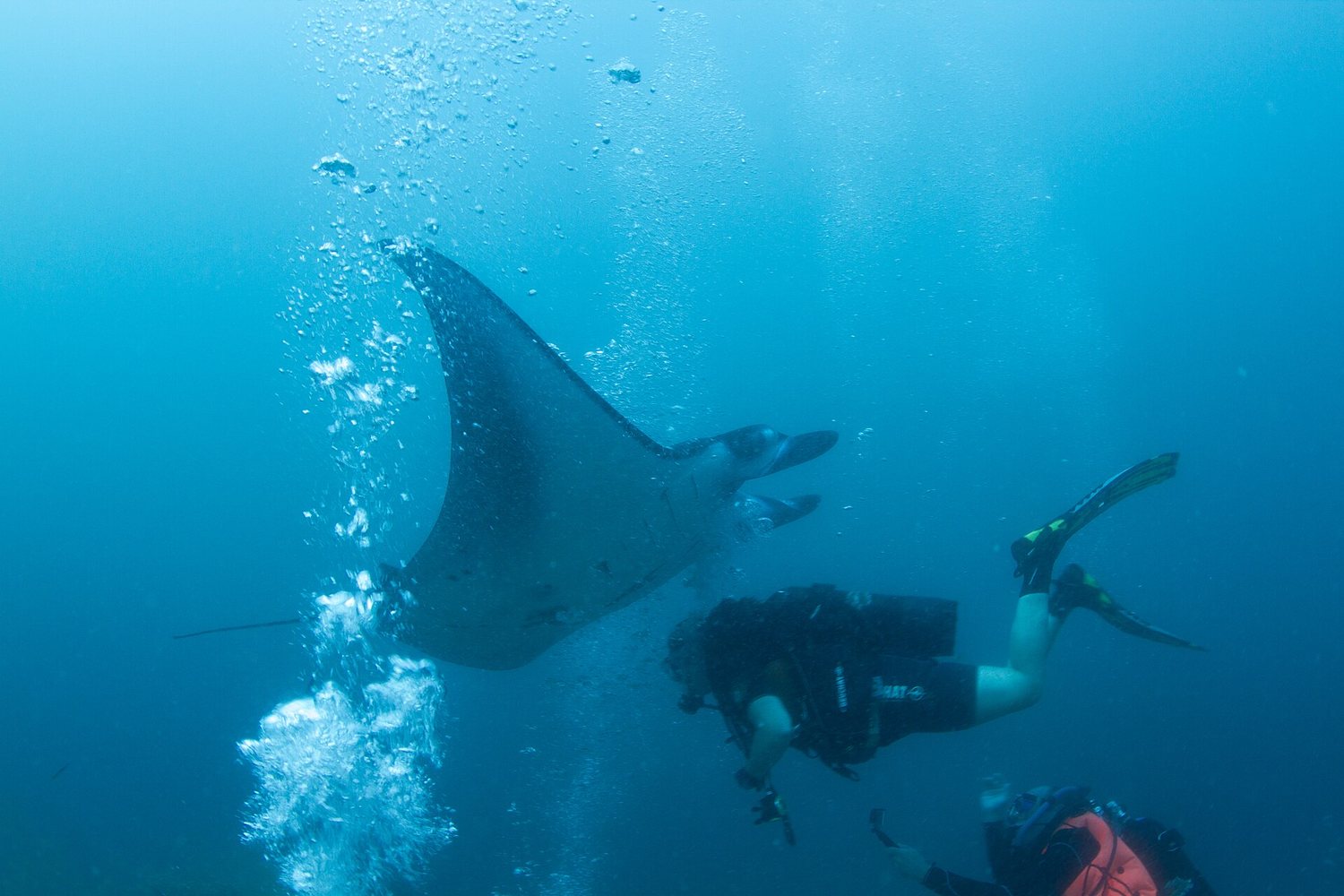
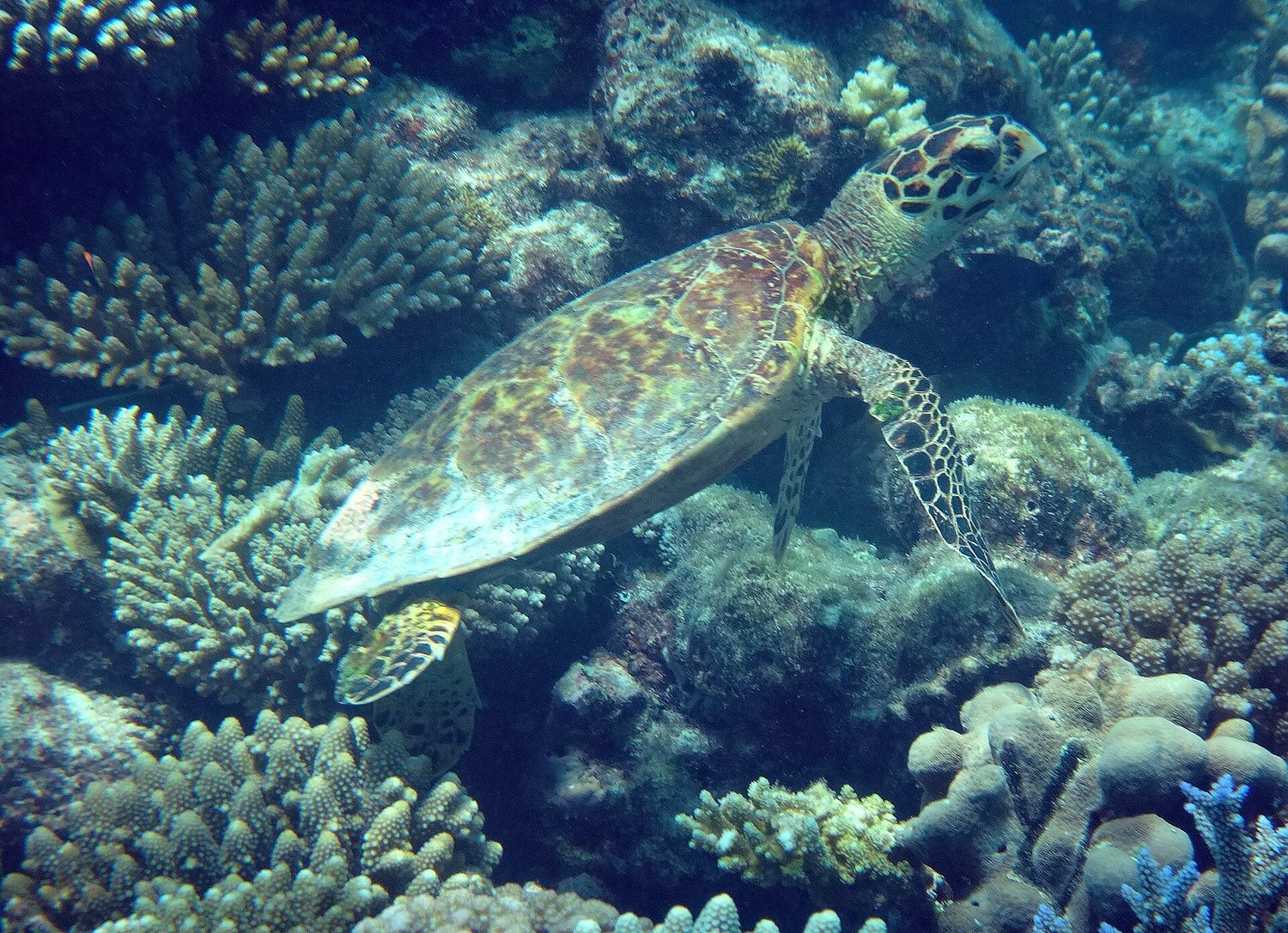
If you have never dived, here is the honest version. You sink slowly, you learn to breathe like a patient man, and the racket of the upstairs world clicks off. A sea turtle coasts past with the manner of a creature who owns the place, has misplaced the deed, and isn't losing sleep over it. Then a manta ray the size of a dining table banks overhead, blots out the sun for a moment, and moves along without so much as a nod. You will want to shout. This is a poor idea with a regulator in your teeth, so you point wildly and make muffled noises at your buddy instead, who is making the same noises back. Everybody does this. Nobody will confess to it at dinner.
The channels, and a word about the current
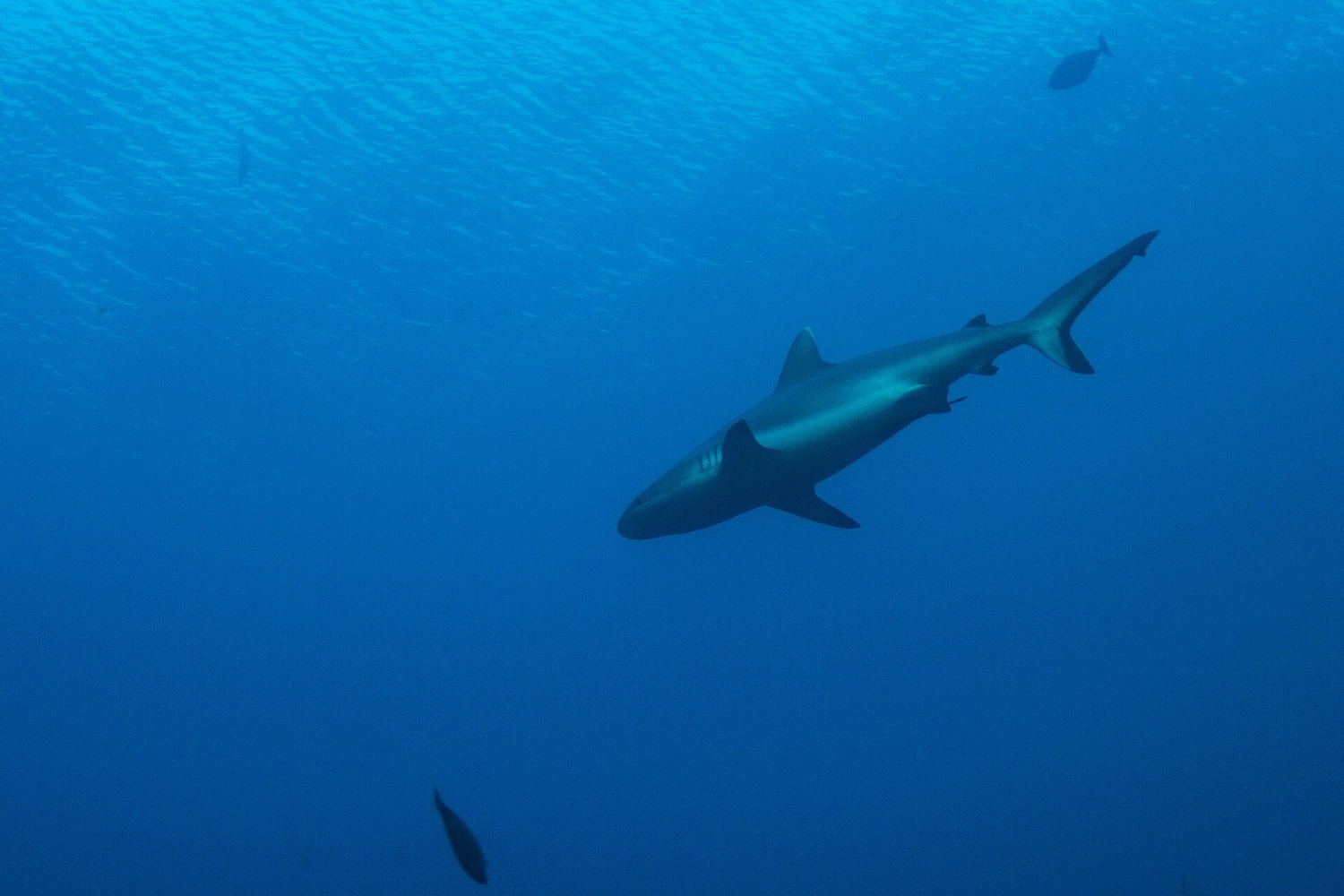
Much of the finest diving here happens in the kandus, the channels where the open ocean squeezes between atolls and picks up speed. The current is the price of admission, and it buys you a great deal: grey reef sharks stacked up like they are waiting for a bus, eagle rays, schools of fish thick enough to lean on. The trick is to let the water do the work. You drift, you hang on a rock at the edge with two fingers when the guide says so, and you watch the parade go by for free. A diver who fights the current in the Maldives is a diver who surfaces early and worn out, and the sharks will have a quiet laugh at his expense.
Where to point your fins
There are twenty-six atolls, which is more than any reasonable traveler can dive in one lifetime, so here are the ones worth losing sleep over.
South Ari Atoll
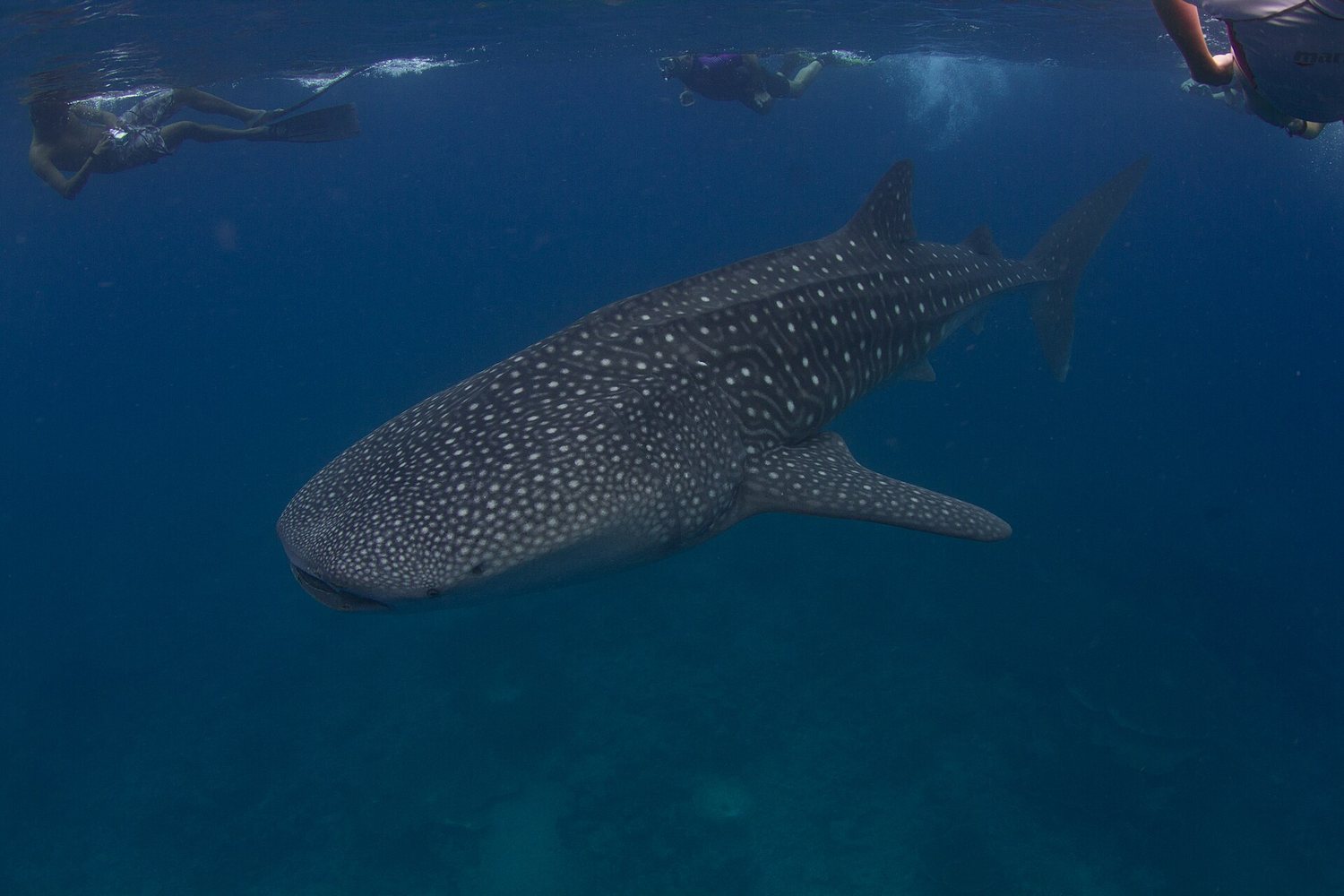
This is one of the few corners of the planet where whale sharks turn up all year round, not as a rare miracle but as a standing appointment. The whale shark is the largest fish that has ever lived, harmless as a barn door, and swimming beside one is the sort of thing a person brings up at parties for the remainder of his natural life. Ari's thilas, the underwater pinnacles that rise up out of the deep, keep the divers busy the rest of the time.
Baa Atoll and Hanifaru Bay
Baa Atoll is a UNESCO Biosphere Reserve, and its crown jewel is Hanifaru Bay, where in the right season the current funnels plankton into a corner and the mantas arrive to eat it. Not one or two mantas. Sometimes a hundred and more, wheeling in slow loops in what the guides fairly call a manta cyclone. It is snorkeling only in the bay, and the rules keep the crowd honest, but it is a thing you will not soon forget, or ever quite stop describing to strangers on trains.
North and South Malé Atolls
Closest to the airport and kindest to the newcomer. Gentle reefs for the first timers, a scattering of old wrecks for the curious, and enough easy dives to build a nervous beginner into a passable diver inside a week. I have watched it happen to worse candidates than you, and they lived to brag about it.
The liveaboard life
Because the good sites are scattered across open water, the Maldives is liveaboard country. You sleep on the boat, wake where the diving is, and let the crew chase the currents and the seasons on your behalf while you eat well and worry about nothing. For a diver, this is close to the definition of a life correctly arranged.
When to come
You can dive here in any month that owns a name, but the ocean keeps two moods. The dry season, roughly December to April, brings calm, clear water and is the safe bet for a first visit. The wet season, roughly May to November, stirs up plankton, which clouds the water a little but summons the mantas and the whale sharks to the buffet. Clear water or big animals: it is a fine problem to have, and there is no wrong answer to it.
Fit for greenhorn and old hand alike
The Maldives is generous with beginners and experts both. The reefs will train a landlubber and humble a veteran in the same afternoon. Equalize your ears early and often, do your buddy check even though you are certain you packed everything, and endure the safety stop though it feels longer than a sermon. The reef is the reward. The grin you surface with is the receipt.
A word on planning, cheaply given
Settle your dates early and arrange your dive center or liveaboard before you ever leave home. The traveler who plans ahead is insufferably smug by his third dive, and he has earned every bit of it.
You will find verified dive centers and liveaboards in the Maldives on Live is Dive. Compare them, then write to the operator direct. No middleman, no commission, and nobody standing between you and the water but your own good sense.
Photos via Wikimedia Commons, CC BY / CC BY-SA: aerial island view by Luka Peternel; the 2009 underwater cabinet meeting via 350.org; reef manta, whale shark and reef shark by Tchami; hawksbill turtle by flowcomm.