A dive shop owner in Okinawa once asked me why every visitor to Japan wants to talk about temples and vending machines right up until the moment they get in the water, and after that all they want to talk about is sharks. I did not have a good answer, because I was one of them. I had arrived with a head full of cherry blossoms and a wetsuit I assumed would cover the whole trip, on the theory that Japan was a warm place with maybe a snowy mountain somewhere for the postcards. I was wrong in the specific way a man is wrong when he has not opened an atlas since school. Japan's islands run from subtropical coral in the south to pack ice in the north, in the same country, in the same calendar year, and a diver who packs for one climate is going to be renting a very different wetsuit than the one he brought.
The country's original divers wore no tanks at all
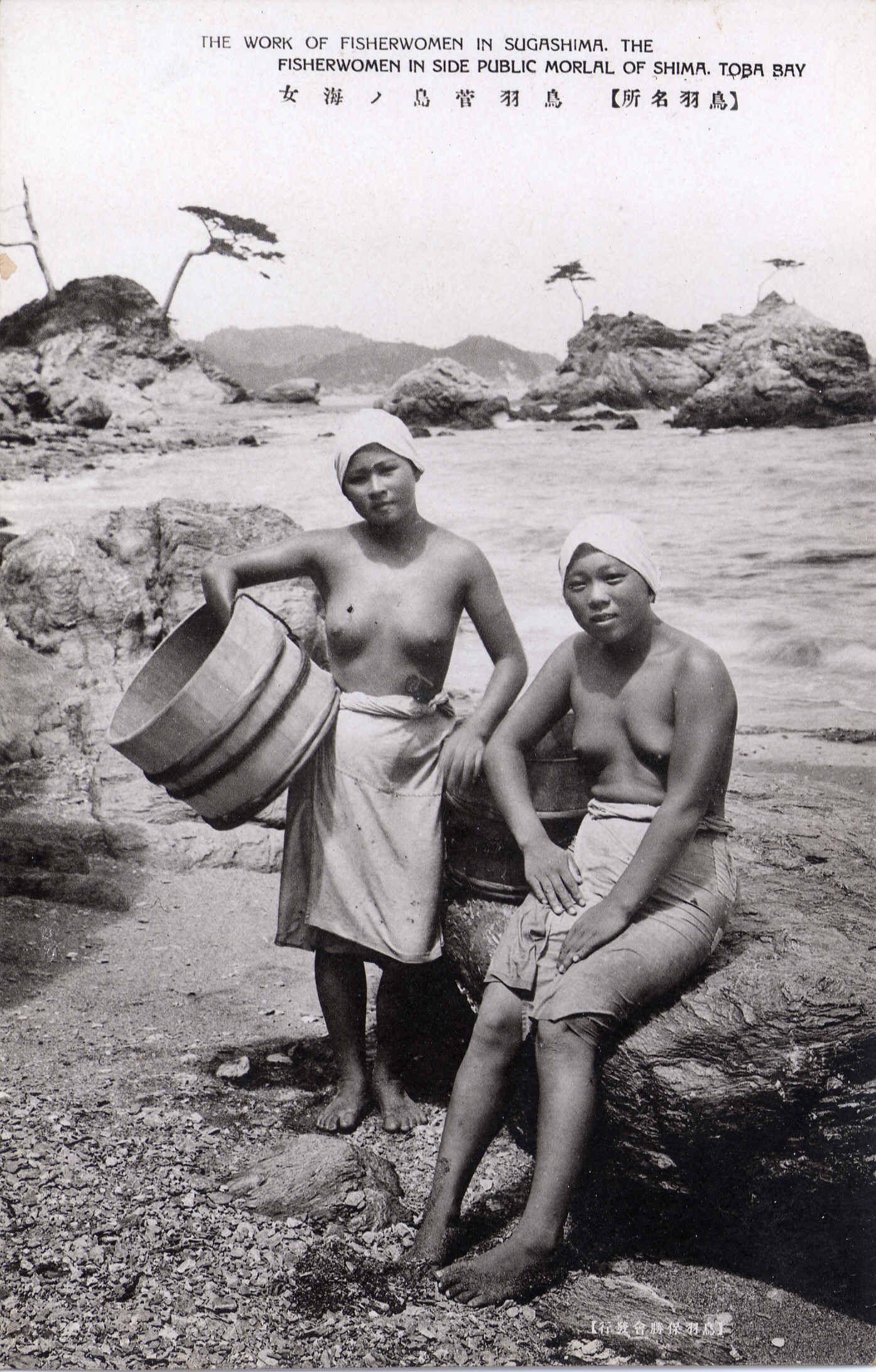
Long before anyone in Japan owned a regulator, women were diving for a living on nothing but a held breath. They are called ama, which translates roughly to "sea women," and records of them go back to Japan's Heian period, with mentions of female pearl divers on the books as early as the year 927. Divers and historians alike tend to describe the tradition as roughly two thousand years old, which is the kind of number that should be taken as a well worn estimate rather than a receipt, but either way it predates the aqualung by a couple of millennia at least. The ama dove for abalone, considered valuable enough to be sent to shrines and to the emperor's table, and later became famous for pearls once Kokichi Mikimoto set up his cultured pearl operation at Toba in 1893. They still work today, mostly in Mie Prefecture around the Shima Peninsula, though their numbers have fallen a long way, from roughly six thousand active divers in the 1940s down to a much smaller handful now. Every time I have struggled to clear my ears at ten meters with a full tank on my back, I have tried not to think too hard about a seventy year old woman doing my job in a cotton suit and no air supply whatsoever. It does not flatter the modern diver.
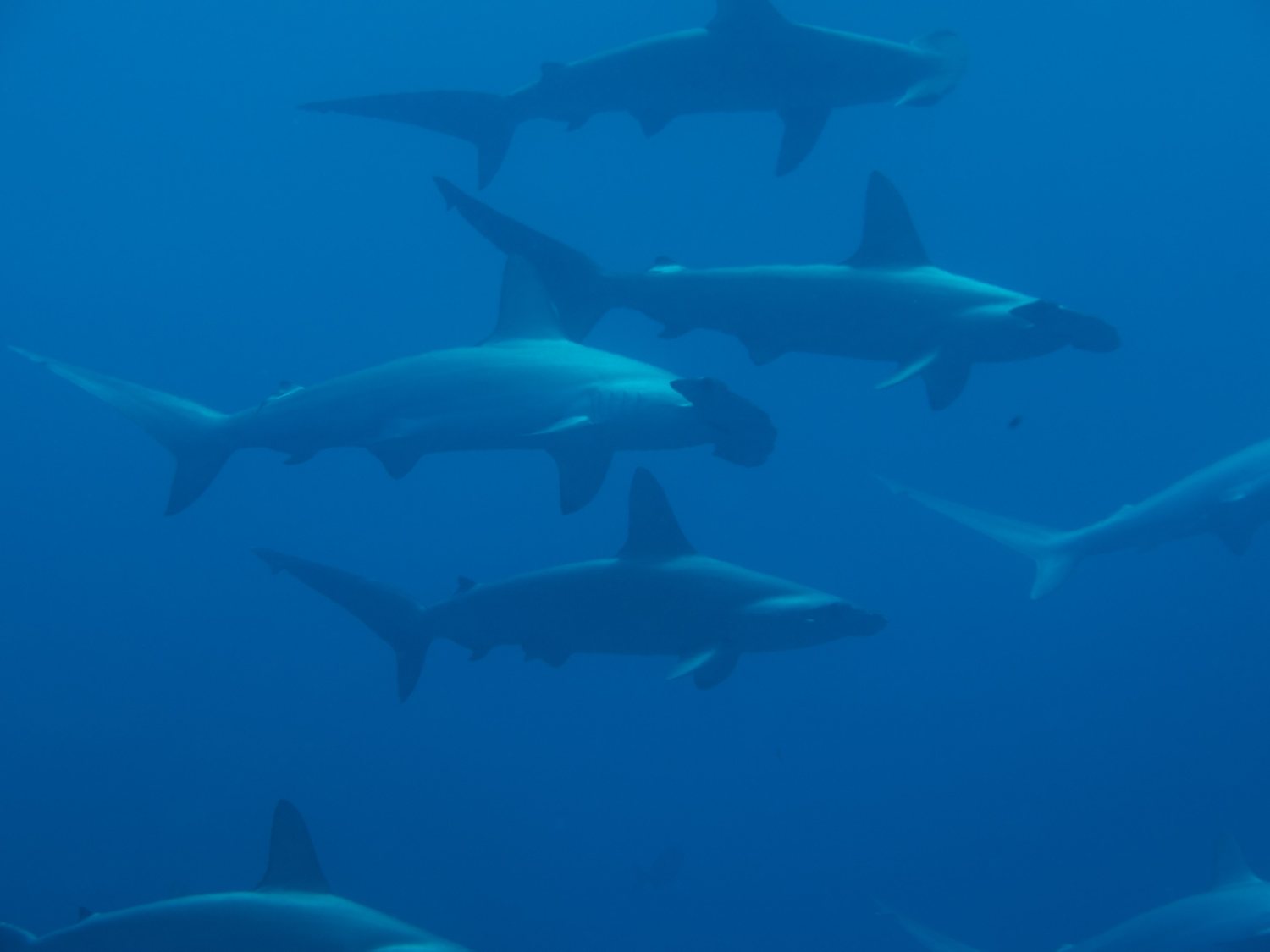
Hammerheads a boat ride from Tokyo
Most people who fly a long way to see a shark do not expect to be back in the city for dinner. Off Mikomoto Island, a short boat ride from the tip of the Izu Peninsula and about two hours from downtown Tokyo, that is exactly the arrangement on offer. The warm Kuroshio current sweeps past the island and pulls in scalloped hammerhead sharks that gather in schools sometimes numbering over a hundred, from roughly June through October. The current that makes the sharks show up is the same current that makes the dive demanding, strong and occasionally unpredictable, so this is not where a first certification card should be put to use. But for a diver already comfortable underwater, it is a strange thing to realize that one of the best hammerhead dives on the planet is closer to a train station than some parking lots are.
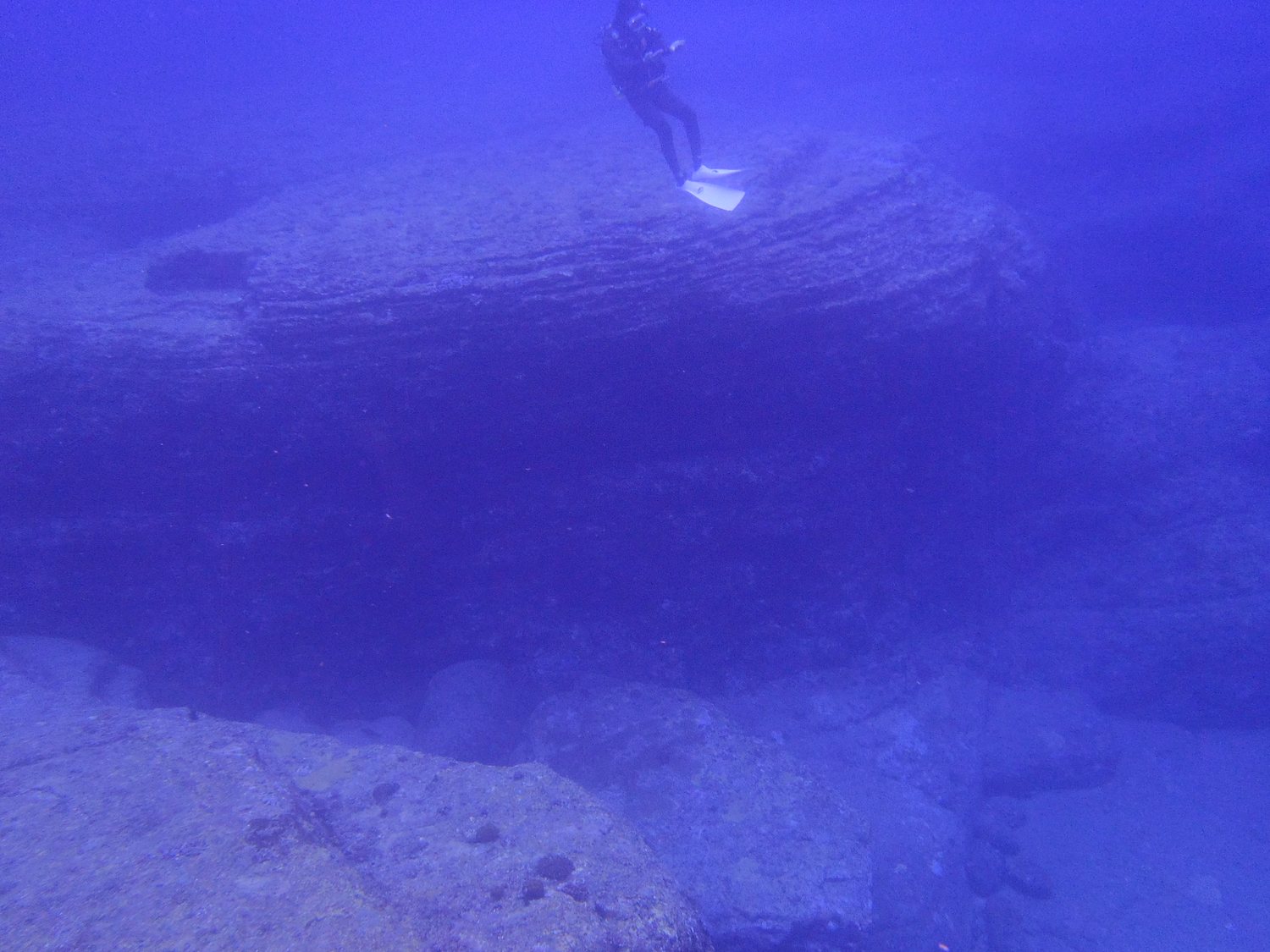
Yonaguni, the monument nobody can agree on
In 1986, a diver named Kihachiro Aratake, who ran the local tourism association on Yonaguni Island, went looking for a good spot to watch sharks and instead found a set of enormous stepped rock formations sitting twenty six meters down. He had not set out to discover a monument, only a dive site, and he ended up with both. The formations have argued with each other, or rather the scientists who study them have, ever since. One camp, led by a geologist at the University of the Ryukyus, holds that people carved the terraces by hand, and has offered ages ranging as high as ten thousand years before settling more recently on something closer to two or three thousand. Another camp, including the American geologist Robert Schoch, points out that the sandstone in question fractures naturally along flat, straight planes, helped along by regional earthquakes, and needs no stonemason to explain it. Neither Japanese government agency treats it as an official cultural artifact, which has not slowed down the argument one bit. What both sides agree on, because it is why Aratake was down there in the first place, is that the same waters draw large numbers of hammerhead sharks each winter, circling the debate overhead with what I choose to interpret as complete indifference to either theory.
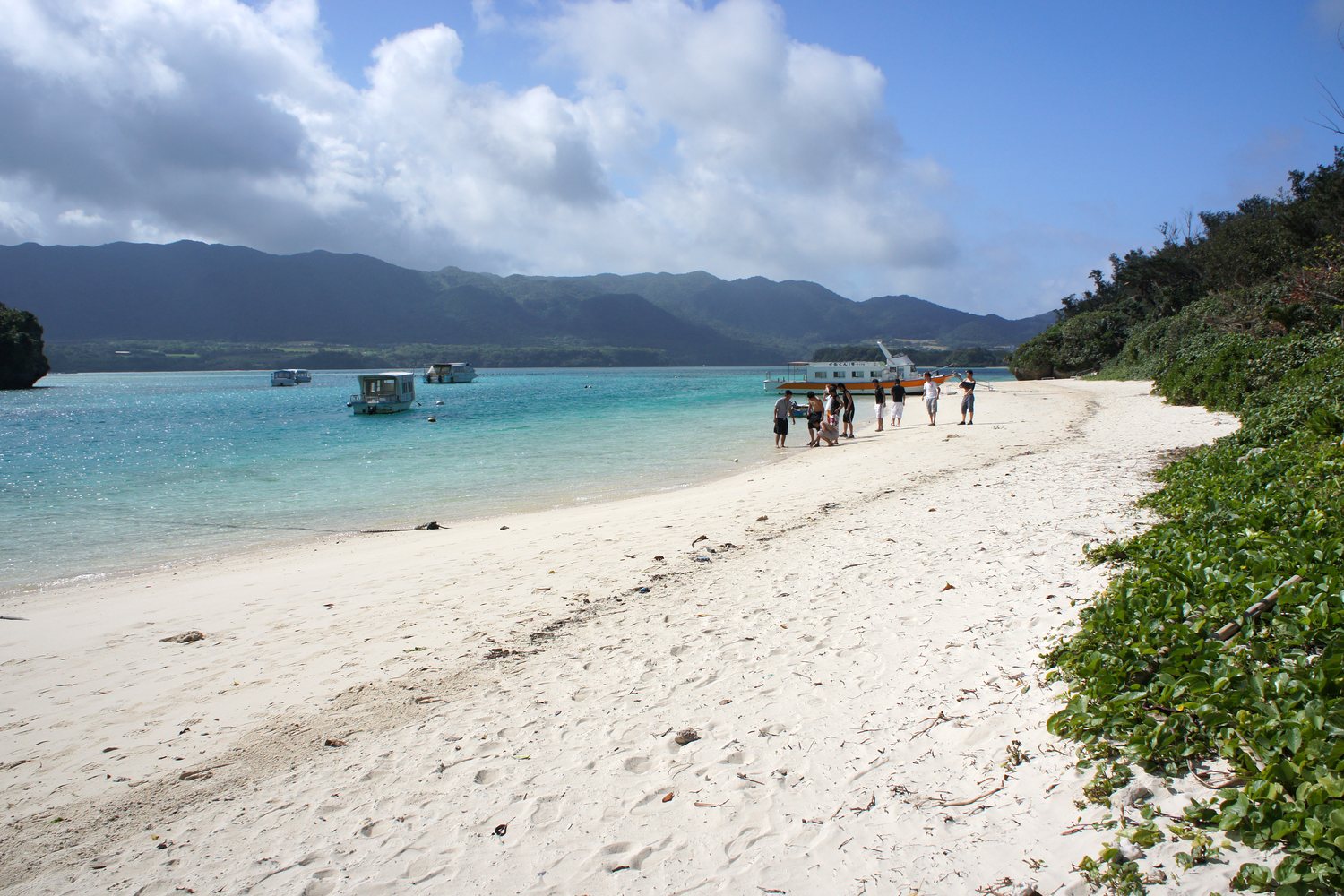
Water with its own nickname
Down in Okinawa Prefecture, the Kerama Islands sit about thirty two kilometers southwest of Naha, protected since 2014 as Kerama Shoto National Park and home to reef systems supporting nearly 250 different coral species. Local divers have a habit of calling the water here "Kerama blue," and having seen it myself I will not argue with the branding. Further south, in the Yaeyama Islands around Ishigaki, the coral keeps going and the marine life gets bigger. Ishigaki divers speak fondly and often of manta rays working cleaning stations near the island, with whale sharks reported in season as well, and Kabira Bay alone is worth the trip even for a snorkeler who never plans to strap on a tank. I cannot hand you a peer reviewed count of the mantas, but every diver I met down there brought them up unprompted, which in my experience is a more reliable indicator than most statistics.
The far edges: an island ferry and an ice floe
Japan keeps its two strangest dive trips at opposite ends of the map. The Ogasawara Islands, sometimes called the Galapagos of the Orient for the wildlife that evolved there in isolation, sit about a thousand kilometers south of Tokyo and were named a UNESCO Natural World Heritage site in 2011. There is no airport. The only way in is a ferry that takes about twenty four hours in good weather, which filters out the casual tourist rather efficiently and leaves the islands to travelers willing to commit to the trip. The surrounding waters have recorded twenty three species of whales and dolphins, in a place remote enough that a live giant squid was photographed there for the first time in 2004.
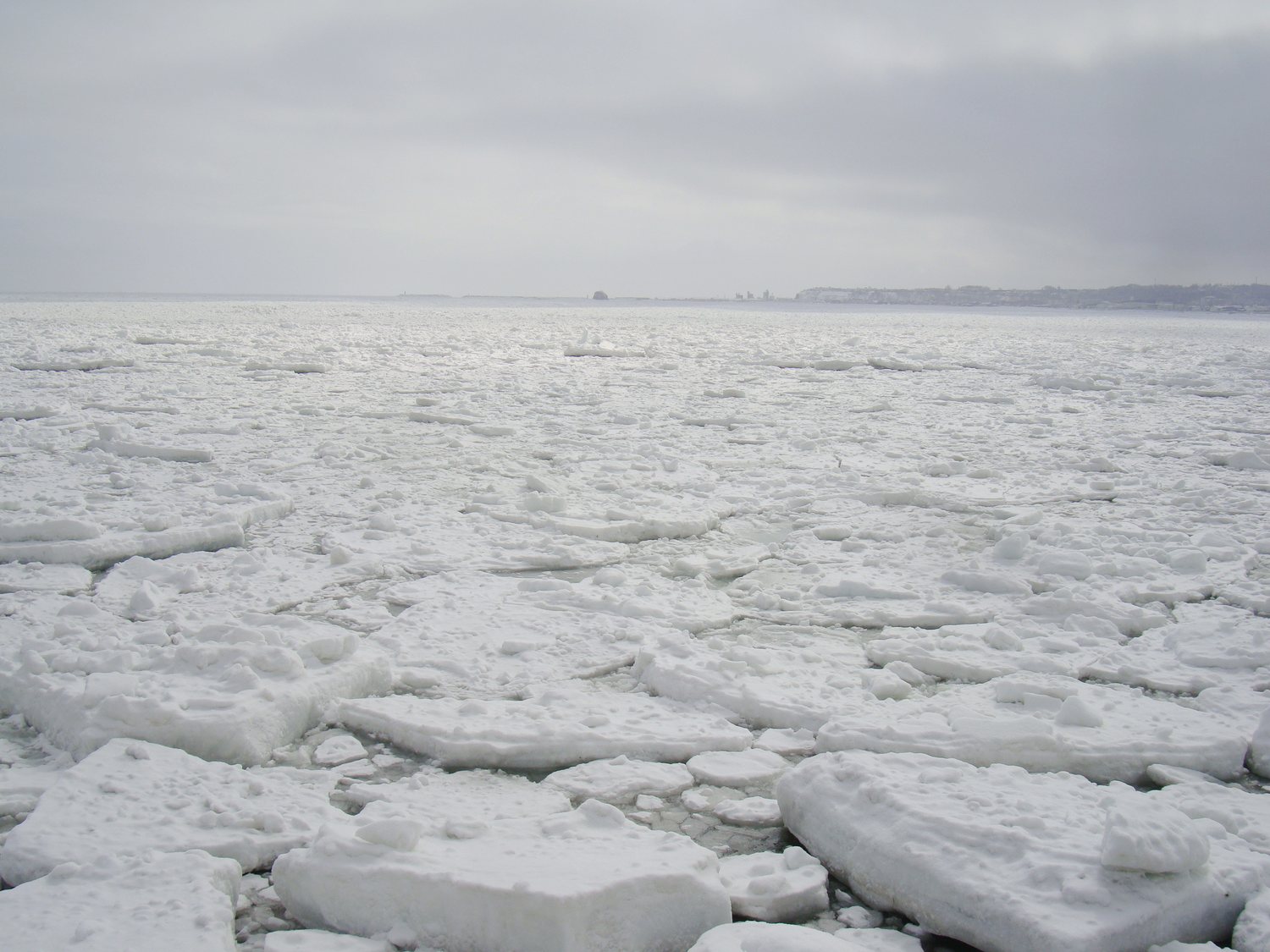
At the opposite end of the country, on Hokkaido's northeastern coast near Shiretoko, winter sends sea ice down from the Sea of Okhotsk on the Soya Current, arriving at the lowest latitude where sea ice regularly forms anywhere in the Northern Hemisphere. It was part of what earned the Shiretoko Peninsula its own UNESCO World Heritage listing in 2005. Local dive operators around the town of Rausu run trips that put divers in the water alongside it each winter, which strikes me as either a wonderful idea or a deeply strange one depending on how cold your morning coffee needs to be before you can face it. I have not done that dive myself, and I say that honestly rather than pretend otherwise, but everyone who has described it to me used the word "unforgettable" before they used the word "cold," and that ordering seems worth passing along.
A word on planning, cheaply given
Pick your region before you pick your dates. Izu and Mikomoto run best from early summer into autumn, Yonaguni's hammerheads show up in winter, Okinawa stays warm and diveable most of the year, and Hokkaido's ice window lasts only a few weeks. Trying to fit all of it into one trip is how a person ends up owning three wetsuits and using none of them long enough to get their money's worth.
You will find verified dive centers and liveaboards in Japan on Live is Dive. Compare them, then write to the operator direct. No middleman, no commission, and nobody standing between you and the water but your own good sense.
Photos via Wikimedia Commons, public domain / CC BY / CC BY-SA: Yonaguni Monument diver photo and Big Turtle Rock near Yonaguni Monument by Melkov; ama divers in Shima, photographer unrecorded; scalloped hammerhead school off Izu by Ryo Sato; Kabira Bay, Ishigaki by 663highland; drift ice off Hokkaido by 221.20.